
I almost deleted my meditation app in January 2024. Not because it wasn't working—but because I was too good at it. Five minutes a day, perfect streak, and I felt... nothing. No zen. No inner peace. Just a gold star and the quiet suspicion I was doing mindfulness wrong.
Here's the truth I had to swallow: Mindfulness isn't about being calm. It's about being awake. And let's be honest—most of us are sleepwalking through our lives, running on autopilot, scrolling while we eat, worrying while we shower, and planning tomorrow while we miss today.
So I spent the last twelve months experimenting with habits that actually rewired my brain—not the fluff you see on Pinterest boards. These are the ten that stuck. The ones that made 2024 my most present year yet. And if you're ready to make 2025 your most mindful year, this is where you start.
The 5-Minute Morning Pause That Changed Everything
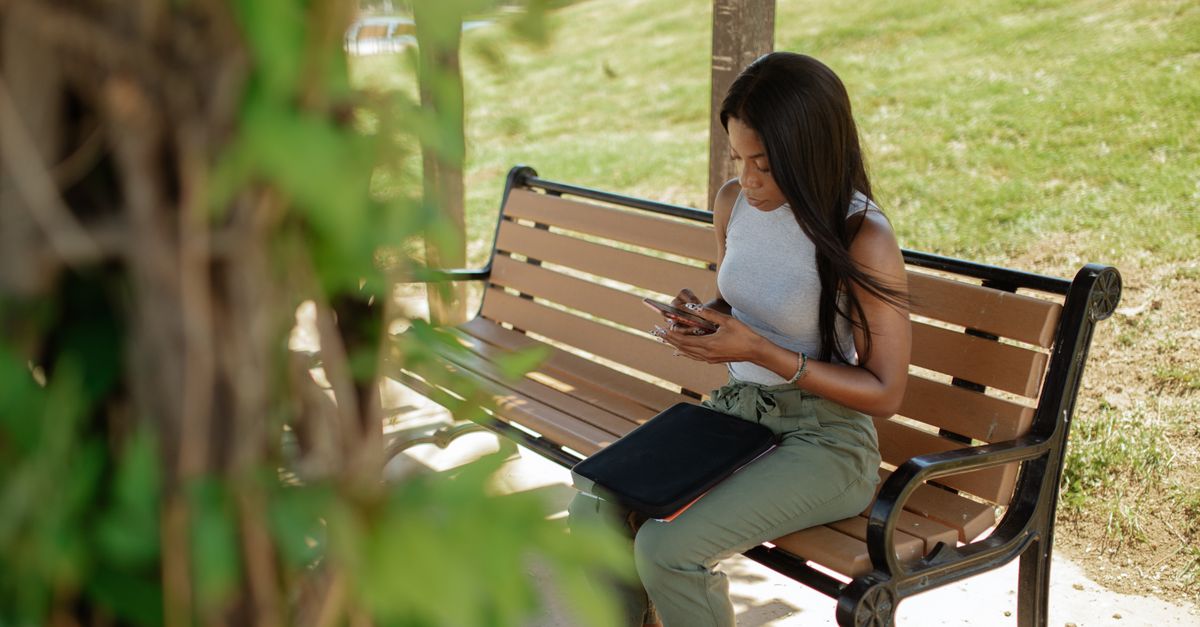
I used to wake up and grab my phone before my feet hit the floor. Instagram. Email. The news. By the time I brushed my teeth, I'd already absorbed twenty other people's emergencies. No wonder I felt anxious before breakfast.
The fix? A five-minute buffer between my eyes opening and my thumb scrolling. Sounds simple, right? It's deceptively hard. But here's the secret: your brain's first thirty minutes set the emotional tone for the next sixteen hours. Feed it chaos, and you'll chase calm all day. Feed it silence, and you'll carry that stillness with you.
I don't meditate in those five minutes. I just exist. I feel the sheets. Listen to the birds. Notice the light. It's boring. That's the point. Boredom is the gateway to presence.
Try this tomorrow: Put your phone across the room. When the alarm goes off, stay in bed. No music. No podcast. Just breathe for five minutes. You'll feel the difference by lunch.
The "Single-Tasking" Lie Most People Refuse to Admit
We all know multitasking is a myth. But we do it anyway. I did. Answering emails during Zoom calls. Listening to audiobooks while cooking. Writing while listening to "focus" playlists. I was proud of my efficiency—until I realized I wasn't actually experiencing any of it.
Here's what most people miss: Single-tasking isn't about productivity. It's about permission. Permission to be fully engaged in one moment. When you eat, just eat. When you walk, just walk. When you talk to your partner, put your damn phone down.
I started with one meal a day. No phone. No TV. No reading. Just chewing, tasting, and noticing. The first week was uncomfortable—my brain screamed for stimulation. But by week three, I craved that quiet focus. Food tasted better. Conversations felt deeper. Life slowed down in the best way.
Pick one daily activity—showering, commuting, or eating—and commit to doing only that. No podcast. No scrolling. See how it feels.

Why I Stopped "Gratitude Journaling" and Started This Instead
I tried gratitude journals. Three days in, I was writing "I'm grateful for coffee" because I couldn't think of anything else. It felt forced. Performative. Like I was gaslighting myself into happiness.
The shift? I stopped listing things and started noticing moments. Instead of writing "I'm grateful for my health," I wrote: "The way the steam rose from my tea this morning. The sound of my daughter laughing at a cartoon. The exact shade of orange in the sunset."
This changed everything. Gratitude isn't a mental checklist—it's a sensory practice. It's training your brain to catch the beautiful, fleeting details you'd otherwise miss. I call it "micro-gratitude." And it's way more powerful than any journal prompt.
Try this: Next time you feel a flash of appreciation—for a texture, a smell, a sound—pause for ten seconds. Breathe it in. Let it land. That's it. No writing required.
The Digital Sabbath That Saved My Sanity
I'll be honest: I thought "digital detox" was for people who had time to go to retreats in Bali. I run a blog. I have deadlines. I can't just disappear.
But I was also waking up at 3 AM to check notifications. My brain was fried. So I made a deal with myself: Every Sunday, no screens from 8 AM to 8 PM. No phone. No laptop. No TV. Just books, walks, conversations, and boredom.
The first Sunday was brutal. I checked my pocket seventeen times. By Sunday three, I was reading whole chapters. By Sunday six, I forgot my phone existed for hours. The rest of the week, I'm sharper. More creative. Less reactive.
You don't need a full day. Start with four hours. Put your phone in a drawer. Do something analog. Cook a complicated recipe. Paint. Write with pen and paper. Your brain will thank you.
The 3-Second Rule That Broke My Reactivity Habit
I have a short fuse. Always have. Someone cuts me off in traffic, and I'm already angry before I realize what happened. A passive-aggressive email, and I'm drafting a scorched-earth reply within seconds.
The fix? A three-second pause before any response. When I feel that surge of emotion—anger, frustration, defensiveness—I count to three. In my head. Out loud if needed. Then I respond.
Three seconds is enough for your prefrontal cortex to catch up with your amygdala. It's the difference between reacting and responding. Between regret and clarity. I've saved countless arguments, hurt feelings, and embarrassing emails with this tiny habit.
Next time you feel triggered, pause. Count to three. Breathe. Then speak. It feels awkward at first. It becomes automatic within weeks.
The Surprising Power of Doing Nothing (Really)
We've been sold the idea that productivity equals worth. That every moment must be optimized. That "wasted time" is a sin.
I call bullshit.
The most mindful habit I adopted? Scheduled guilt-free idleness. Thirty minutes a day where I do absolutely nothing productive. No goals. No learning. No "improvement." Just staring at the ceiling. Sitting in a park. Watching clouds.
This isn't meditation. This is being. And it's terrifying at first—your brain will scream for purpose. But after a few weeks, you'll notice something: creativity flows in those empty spaces. Solutions appear. You feel less frantic. More alive.
Block 30 minutes in your calendar. Label it "Nothing." No phone. No agenda. Just sit. See what happens.
Your 2025 Mindful Checklist (Keep This Handy)
If you only start with three habits, make it these:
- The five-minute morning pause (no phone, just breathing)
- One single-tasked meal per day (no screens, just eating)
- The three-second response pause (count before reacting)
I used to think being mindful meant being perfect. Calm. Zen. But I've learned it's messier than that. It's forgetting and remembering. Falling and getting up. It's the decision, over and over, to pay attention to this one wild and precious life.
So here's my challenge to you: Pick one habit from this list. Start tomorrow. Don't overthink it. Don't wait for January 1st. The present moment is the only one you've got.
Let me know in the comments which habit you're trying first. I read every single one.