Let me tell you something. You’re scrolling through Spotify, and you hit shuffle on a new playlist. The first track is a banger. The second one sounds eerily similar. By the third, you’re not even sure if the song changed. You start wondering: Am I losing my mind, or does every song actually sound the same?
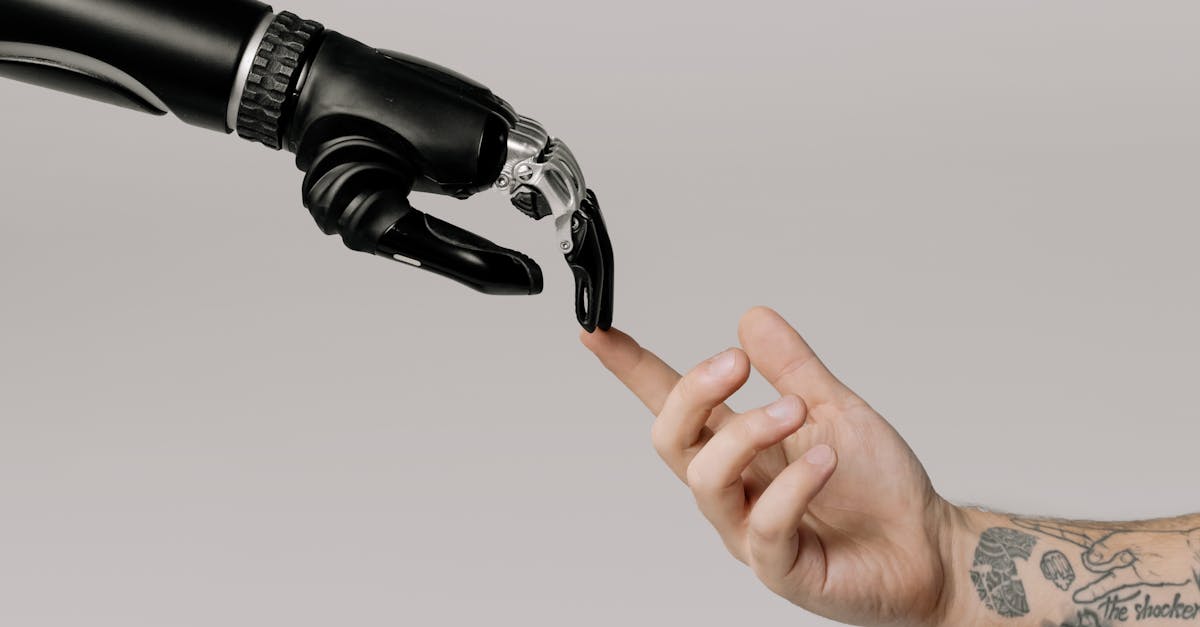
Here’s the secret nobody in the industry wants to admit: You’re not crazy. The music you’re hearing is being churned out by an invisible factory—and the foreman is an algorithm. The AI revolution in music production isn’t coming; it’s already here, and it’s quietly flattening the sonic landscape into a single, cookie-cutter hit.
I’ve been a music junkie my whole life. I’ve found that the magic of a great song is its imperfections—the crack in the singer’s voice, the weird chord change that shouldn’t work but does. But modern production is obsessed with perfection, and AI is the ultimate perfectionist. It’s like hiring a robot to paint a sunset. Sure, the colors are accurate, but where’s the soul?
The Ghost in the Machine: How AI Is Writing Your Next Earworm
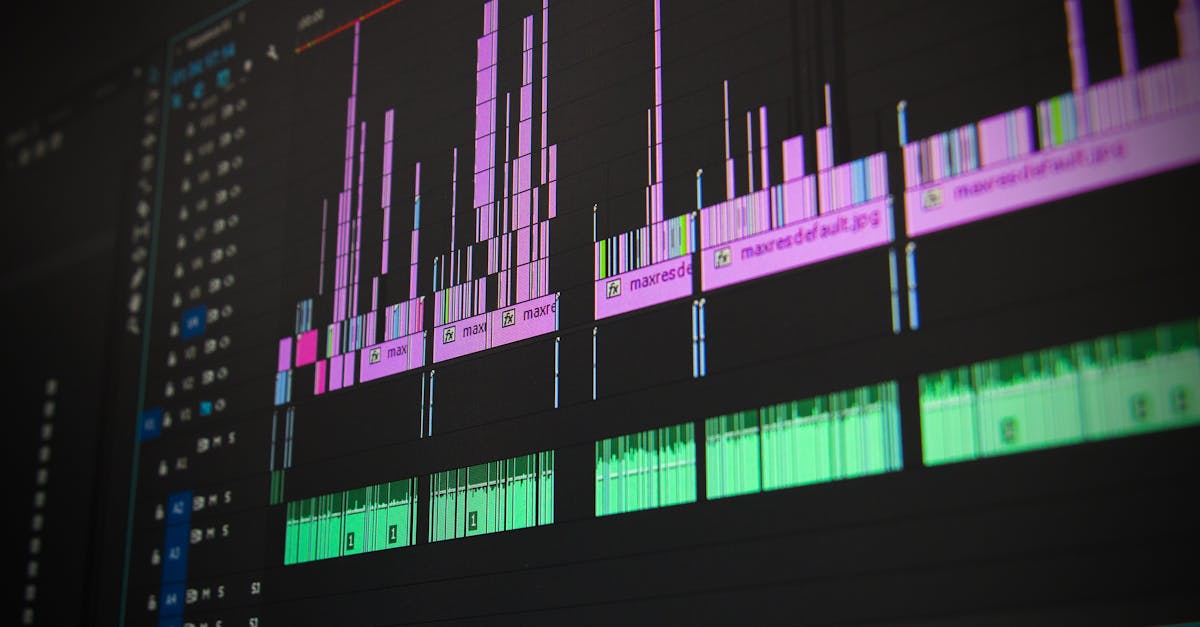
Let’s be honest: AI isn’t just helping mix tracks anymore. It’s writing the hooks. Tools like Amper Music, AIVA, and OpenAI’s Jukebox can generate entire songs in minutes. You type in “upbeat pop, 120 BPM, key of C major,” and boom—you’ve got a synth riff that sounds 90% like a Dua Lipa B-side.
Here’s what most people miss: The problem isn’t the technology. It’s the incentive. Record labels don’t want risk. They want data. AI analyzes billions of streams to find what makes people hit “repeat.” It knows that a pre-chorus with a specific rhythmic pattern triggers dopamine. It knows that a certain snare sound makes your foot tap. So it reverse-engineers hits like a mad scientist.
I’ve seen producers use AI to “fix” a vocal take—smoothing out pitch, removing breath sounds, even adding vibrato that wasn’t there. The result? A voice that sounds like a polished android. Technically flawless. Emotionally dead.
The 3 Things AI Can’t Steal (Yet)
Don’t throw your headphones away just yet. I’ve been digging into this for years, and here’s the truth: AI is a brilliant mimic, but it’s a terrible artist. There are three things that still separate human music from robot music:
- Accidental Genius – The greatest songs in history were often mistakes. That guitar feedback on a Beatles track? A happy error. AI doesn’t make “happy” errors. It optimizes.
- Authentic Pain – You can’t algorithmically generate the ache in a blues singer’s voice after a breakup. AI can simulate it, but it’s like a wax fruit—looks real, tastes hollow.
- Surprise – AI works by predicting patterns. The most memorable moments in music break patterns. Think of the key change in “Livin’ on a Prayer” or the silence before the drop in “Strobe.” AI hates silence; it sees dead air as a bug.
The Great Homogenization: Why Your Playlist Sounds Like One Long Song
Here’s the shocking part: AI isn’t just making individual songs. It’s shaping entire genres. Pop music has been getting simpler for decades—fewer chords, less dynamic range, shorter song lengths. But AI accelerates this trend into hyperspace.
Think about the “millennial whoop” (that “oh-oh-oh” sound in every pop song). That’s an AI favorite. So are four-chord progressions (I–V–vi–IV, anyone?) and the “drop” structure that builds tension only to release into a beat that sounds exactly like the last three songs.
I once challenged myself to listen to a Top 40 radio station for an hour and count how many songs used the same tempo (around 120 BPM). I stopped counting at 15. It’s not nostalgia—it’s math. AI has discovered that humans like predictability. So it gives us a warm, digital blanket of sameness.

The Secret Weapon Humans Still Have (And It’s Weird)
If you’re an artist reading this, don’t panic. You have a secret weapon that AI can’t replicate: Your weirdness. The strange time signature in Radiohead’s “Paranoid Android.” The off-key wail in Janis Joplin’s voice. The 10-minute prog rock epic that nobody asked for.
I’ve found that the most successful independent musicians today are leaning hard into their quirks. They’re using analog gear, recording in unusual spaces, and refusing to quantize their drums. Why? Because authenticity is the new scarcity. When everyone sounds like a robot, the human becomes priceless.
One producer I know told me he deliberately leaves in the sound of his chair creaking on his recordings. “It reminds people that a person made this,” he said. That’s genius. That’s rebellion.
The Future: A Choice Between Soul and Sterility
Let’s paint two futures. Future A: AI writes 90% of chart music. Every song is a mathematically perfect earworm. You can’t tell the difference between artists. Music becomes background noise—pleasant, like air conditioning.
Future B: Artists use AI as a tool, not a crutch. They feed it their weird ideas, let it generate textures, then break the rules. The result is a hybrid—machine-assisted creativity that still bleeds humanity. Think of it like using Photoshop to paint a masterpiece versus letting Photoshop paint for you.
Here’s my hot take: We’re heading toward Future A unless listeners demand more. The power is in your ears. Stop streaming the algorithm’s picks. Seek out bedroom producers, live recordings, and songs that have mistakes. Your brain will thank you.
So the next time you catch yourself humming a tune that sounds like every other tune, ask yourself: Is this a song or a synthetic memory? Because the AI revolution in music production is giving us endless content—but it’s also quietly stealing our ability to be surprised.
Don’t let it. Stay weird. Stay human. Keep listening like it matters.