
Let’s be honest: when you think of Volta Region in Ghana, your brain probably goes straight to Wli Waterfalls, the serene Tafi Atome Monkey Sanctuary, or the lush green hills of Amedzofe. And yeah, those are stunning. But here’s my controversial take — the true heartbeat of Volta isn’t found in a waterfall or a monkey sanctuary. It’s found on a plate.
I’ve spent years traveling through Ghana’s regions, and I’ll tell you what most people miss: Volta Region is one of the most underrated food destinations in West Africa. Not just for the fufu and pepper soup you can find anywhere, but for a deep, cultural culinary experience that connects community, faith, and flavor in ways you’d never expect. And nowhere is this more evident than around the Christ Embassy Loveworld Arena in Ho.
So, let’s ditch the tourist brochure and dive into the real Volta — the one that smells like smoked fish, tastes like fresh palm wine, and feels like a Sunday afternoon with family.

The Food You’re Not Ordering (But Should Be)
I’ve eaten banku and tilapia across Accra, Kumasi, and Takoradi. But nothing — and I mean nothing — compares to the version you get in Ho. Why? Because Volta Region does fermented corn dough differently. The fermentation is longer, the texture is silkier, and the slight sourness hits your palate like a perfectly timed punchline.
Here’s what most people miss: the secret is in the water. The groundwater around Ho has a distinct mineral profile that affects the fermentation process. I’ve had local chefs tell me they can taste the difference when they travel just 20 kilometers outside the city. That’s not marketing — that’s science.
But let’s go deeper. When you’re at Christ Embassy Loveworld Arena, the food scene isn’t just about sustenance. It’s about community communion. After service, you’ll see families unpacking coolers filled with:
- Akple with fetri (a spinach-like stew with smoked fish)
- Abɔbɔi (steamed cornmeal dumplings)
- Gari foto with groundnut soup
- Kelewele spiced with local ginger and chili
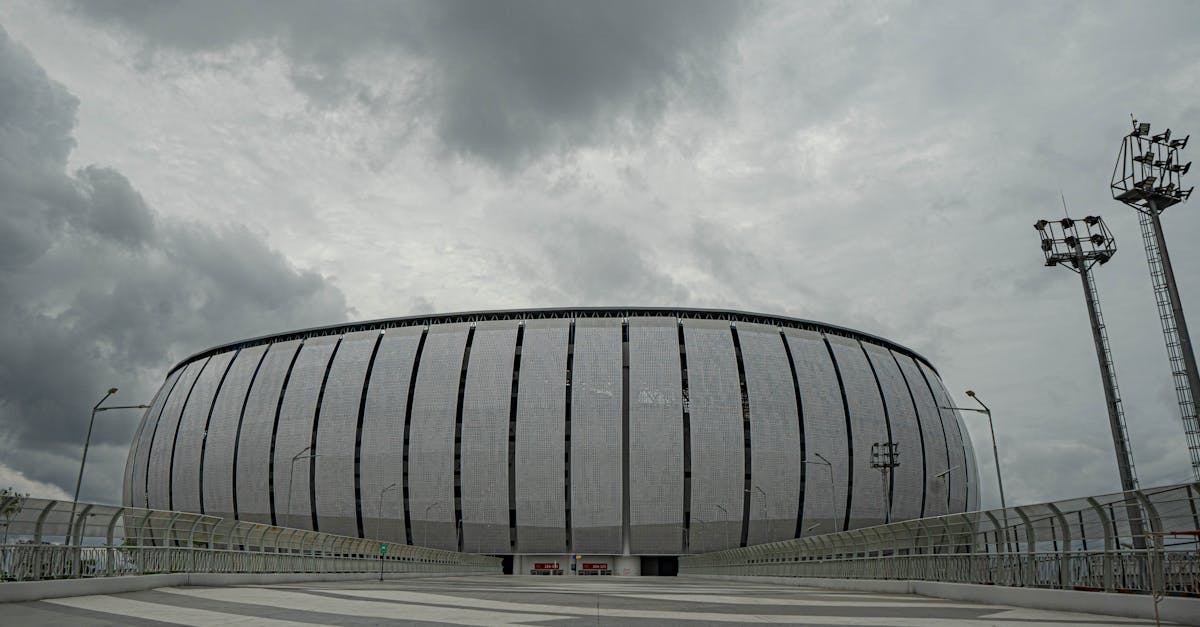
Why Christ Embassy Loveworld Arena Is a Food Hub (Yes, Really)
Here’s where I might lose you, but stick with me. Churches in Volta Region are not just spiritual centers — they’re food distribution networks. And Christ Embassy Loveworld Arena is the epicenter.
After Sunday service, the Loveworld Arena parking lot transforms into an impromptu food market. You’ll find women selling toasted plantain chips with a spicy shito that’s darker and smokier than the Accra version. There’s a vendor who makes palm wine from a tree in her backyard — she only sells it after church, and it sells out in 45 minutes.
I’ve found that *the best kenkey in Ho comes from a woman named Auntie Mansa, who sets up her stall every Sunday at 11:30 AM sharp, right outside the Arena’s south gate. Her kenkey is wrapped in plantain leaves so fresh they’re still green. She serves it with fried fish that’s been marinated in a secret blend of nkitinkyi (grains of paradise) and local garlic. I asked her for the recipe once. She laughed and said, “If I tell you, then it’s not secret anymore.”
Fair enough.
The 3 Things Nobody Tells You About Volta Cuisine
Let me save you from making the same mistakes I did. Here are three truths about eating in Volta Region that aren’t in any guidebook:
- The heat is different. Volta shito isn’t just spicy — it’s smoky. They use dried herrings and mushrooms in the base, which gives it an umami depth you won’t find in the coastal versions. If you think you know shito, you don’t.
- Palm wine here is a religion. In Ho, palm wine isn’t just a drink — it’s a social lubricant, a digestive aid, and a cultural artifact. The best stuff comes from Adaklu mountain, tapped by men who climb the trees barefoot at 5 AM. It’s naturally fermented, slightly effervescent, and goes perfectly with roasted plantain and groundnuts.
- Vegetables are the real stars. Everyone talks about the fish and meat, but Volta cuisine has some of the most creative vegetable preparations I’ve ever seen. Gboflɔ (a slimy, nutrient-dense green) is cooked with egusi and crab to create a stew that’s both earthy and oceanic. Dovhi (a local mushroom) is dried and ground into a powder that thickens soups with a flavor that’s almost meaty.
The Secret Ingredient Nobody Talks About
I’m going to share something I’ve never written about before. The real secret ingredient in Volta Region cooking isn’t a spice or a technique — it’s time.
Here’s what I mean. When you eat at a restaurant in Accra, the food is cooked fast. Pressure cookers, pre-chopped vegetables, frozen fish. But in Volta, especially around the communities near Christ Embassy Loveworld Arena, cooking is a slow, deliberate ritual.
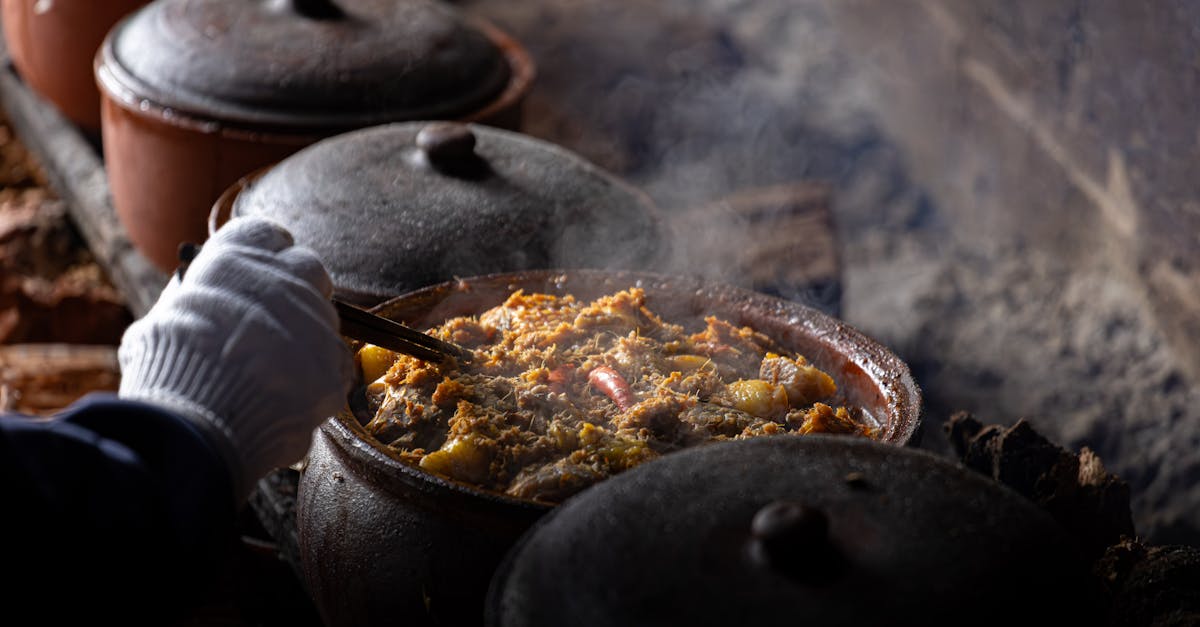
I watched a woman in Dzodze spend three hours preparing fetri for a family gathering. She didn’t use a blender — she ground the egusi by hand using a smooth stone and a wooden bowl. She smoked the fish herself over neem wood. She let the stew simmer until the oil separated and floated to the top — a sign that the flavors had fully married.
That kind of cooking can’t be rushed. And it’s disappearing. Fast. The younger generation wants convenience. They want Indomie and fried rice. But in the shadow of the Loveworld Arena, there’s still a community of women keeping these traditions alive. Every Sunday, they show up. They cook. They feed the faithful.
And honestly? That’s more sacred than any sermon.
How to Eat Like a Local in Ho (Without Looking Like a Tourist)
If you’re planning a trip to Volta Region — whether for a church conference, a wedding, or just a weekend getaway — here’s my insider guide to eating well:
- Skip the hotels. The restaurants in Ho’s hotels serve safe, bland versions of local food. Go to the chop bars near the main market. Look for places with long queues — that’s how you know it’s good.
- Learn the Ewe names. Saying “akple kple fetri” instead of “corn dough and stew” will get you a smile and a bigger portion. The vendors appreciate the effort.
- Bring your own container. This is huge. Locals bring coolers or Tupperware when they buy food after church. If you show up with plastic bags, you’ll be treated like a tourist. Show up with a proper container, and you’re family.
- Drink the palm wine fresh. It’s best between 10 AM and 12 PM, before the fermentation gets too strong. After 2 PM, it’s basically vinegar. Trust me on this.
The Future of Volta’s Food Scene
Here’s where my optimism kicks in. Christ Embassy Loveworld Arena isn’t just preserving food culture — it’s revitalizing it. The church attracts young people from across the region, and many of them are rediscovering traditional foods through the vendors who gather there.
I’ve met university students who now prefer akple to jollof because of the vendors at Loveworld. I’ve seen chefs experiment with Volta-inspired fusion — think fetri-infused pasta or smoked fish tacos with shito aioli. It’s not traditional, but it’s keeping the flavors alive for a new generation.
But here’s the thing: this culture is fragile. If the vendors stop coming, if the grandmothers stop cooking, if the young people stop caring — it’s gone. And you can’t get it back.
So here’s my call to action: next time you’re in Volta Region, don’t just visit the waterfalls. Skip the tourist traps. Go to Christ Embassy Loveworld Arena on a Sunday. Stand in the parking lot. Smell the shito. Taste the palm wine. Talk to Auntie Mansa. Eat the kenkey*.
Because food isn’t just food in Volta. It’s memory. It’s community. It’s worship.
And you haven’t truly discovered Volta Region until you’ve tasted it.