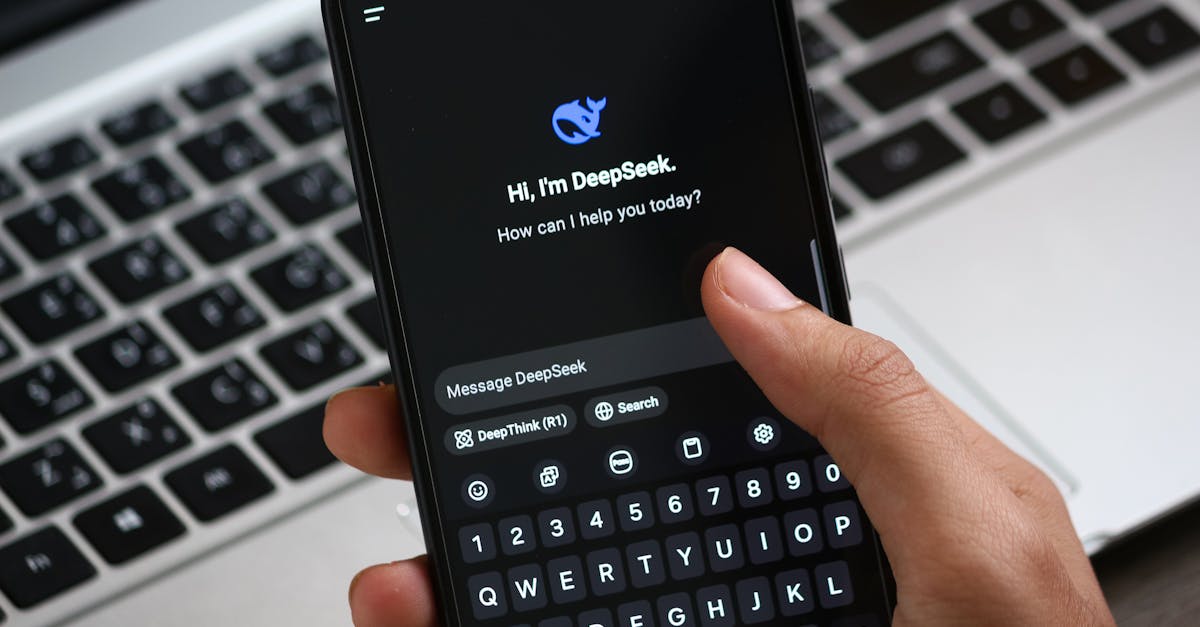
Last Tuesday, I watched my colleague Sarah do something that would have been unthinkable six months ago. She opened Slack, typed a single sentence — “Find the Q3 sales data from the APAC region, cross-reference it with our inventory turnover rates, and draft a three-paragraph summary for the VP” — and then walked away to grab coffee.
Ten minutes later, a perfectly formatted report was sitting in her DMs. No frantic email chains. No hunting through SharePoint folders. No staying late.
I stared at my own screen, where I was still manually copy-pasting data from three different spreadsheets, and realized something uncomfortable: the AI revolution I thought was coming already happened. I just wasn’t paying attention.
We’ve been so busy laughing at chatbots hallucinating recipes for “gluten-free bread made with cement” that we missed the real story. The bots are growing up. They’re not just answering questions anymore. They’re doing things.
The Ghost in the Machine (It’s Not a Metaphor)
Let’s be honest — when you hear “AI,” you probably still think of ChatGPT or Claude. A friendly text box that writes emails and occasionally lies about historical facts. That’s reactive AI. It sits there waiting for you to poke it.
Agentic AI is different. It’s proactive. It’s persistent. It doesn’t just answer your question — it figures out what needs to happen next and does it. If you tell it to “book a meeting with the product team and prepare the agenda,” it doesn’t just write an email. It checks everyone’s calendar, finds a time slot, drafts the agenda based on recent project updates, sends the invite, and follows up with a reminder the day before.
Here’s what most people miss: this isn’t a faster version of the old workflow. It’s a completely new workflow. The way work gets done fundamentally changes when the tool can act on your behalf across multiple systems.
I’ve found that the best way to understand this is to think of it like hiring an intern — except this intern never sleeps, never asks for a raise, and can access every single system in your company simultaneously. Scary? Maybe. Useful? Absolutely.

The 3 Things Agentic AI Does That Chatbots Can’t
I’ve been testing these systems for months now, and I’ve narrowed down the real game-changers. Not the marketing hype. The actual, measurable differences.
1. It chains actions together A chatbot gives you an answer. Agentic AI gives you a result. If you ask a bot for “last month’s customer churn rate,” it spits out a number. But an agentic system will pull that number, then run a segmentation analysis, then cross-reference it with support ticket volume, then draft a report — and send it to your boss with a suggested action plan.
2. It remembers context across sessions This is the killer feature nobody talks about. A regular chatbot forgets everything the moment you close the tab. Agentic AI maintains a persistent memory. I told my test system last week that I prefer morning meetings avoided. This week, when scheduling a project kickoff, it automatically blocked all slots before 10 AM. It remembered. That feels small until it saves you from a 7 AM call.
3. It takes initiative This is where it gets weird — and powerful. I’ve had an agentic AI system ping me unprompted with: “Hey, I noticed your cloud costs spiked 23% this week. I’ve identified three redundant instances. Want me to shut them down?” It didn’t wait for me to ask. It saw a problem, diagnosed it, and offered a solution before I even knew there was a problem.
That’s not a tool. That’s a collaborator.
Your Job Isn’t Going Away (But Your Job Description Is)
I know what you’re thinking. “Great, Roshan. So AI is coming for my job.”
Relax. Breathe.
Here’s the truth I’ve seen play out across dozens of teams: *agentic AI doesn’t replace jobs — it replaces tasks. Specifically, the boring, repetitive, soul-crushing tasks that make you want to quit on a Wednesday afternoon.
Think about your average workday. How much time do you spend doing things that feel like work but aren’t actually work? Hunting for files. Formatting reports. Chasing approvals. Copying data from one system to another. Answering the same questions in Slack for the fifth time.
That’s not your job. That’s overhead. And overhead is exactly what agentic AI is designed to eat for breakfast.
I’ve seen a marketing manager who used to spend 15 hours a week on reporting now spend that time actually analyzing the data and making creative decisions. I’ve seen a project coordinator who was drowning in scheduling logistics reclaim 10 hours a week to focus on team culture and process improvement.
The people who survive this shift won’t be the ones who fight the AI. They’ll be the ones who figure out what to do with all the time the AI gives back.

The Hidden Cost Nobody Warns You About
Let me be real with you for a second. I’ve been hyping this up, but there’s a dark side that most articles won’t mention.
Trust erosion happens faster than you think.
When you hand over tasks to an agentic AI, you’re handing over control. And control is addictive. I’ve seen teams start questioning the AI’s decisions — “Did it really find the right data? What if it missed something?” — and then spend more time auditing the AI’s work than they would have spent just doing it themselves.
That’s the trap. The paradox of automation: the more you automate, the more you need to verify. And if you don’t build trust in the system early, you’ll end up with a worse workflow than when you started.
Another hidden cost? Skill atrophy. I’m already noticing junior team members who rely heavily on agentic AI for complex analysis. They get the answers fast, but they’re not building the mental models and intuition that come from wrestling with data manually. Six months in, they can’t spot errors because they never learned to do the work themselves.
My advice? Use agentic AI for the grunt work, but keep your hands dirty on the strategic stuff. Don’t let the machine do your thinking for you.
How to Not Get Left Behind (A Practical Survival Guide)
I’ve been experimenting with these tools for months now, and I’ve developed a simple framework for adoption. You don’t need to overhaul your entire workflow overnight. Start small.
- Identify your “10-minute tasks.” Look at your calendar. What tasks take 10 minutes or less but happen multiple times a day? Those are prime candidates for agentic automation. For me, it was pulling weekly metrics and formatting status reports.
- Give it one system at a time. Don’t try to connect your AI to everything at once. Start with email and calendar. Then add your project management tool. Then your CRM. Let it learn one domain before expanding.
- Set boundaries. Decide upfront what the AI cannot do. For me, it’s anything involving sensitive client communications or final approvals. The AI drafts. I decide.
- Review weekly. Every Friday, spend 15 minutes looking at what the AI did. Did it make any mistakes? Did it miss anything? This builds your trust and helps you refine the instructions.
The Real Question No One Is Asking
Everyone’s focused on
“Will AI take my job?” But that’s the wrong question.The real question is: What will you do with the time you get back?
Because the time
is coming back. Whether it’s six months or two years from now, the boring parts of your job are going to evaporate. And when they do, you’ll be left with a choice — fill that time with more meaningful work, or fill it with more meetings and emails.I’ve been watching this shift happen in real-time, and here’s what I know for sure: the people who win won’t be the ones who resist the change. They’ll be the ones who look at their newly freed-up calendar and ask,
“What actually matters that I never had time for?”*Sarah from my team? She’s now spending her reclaimed hours mentoring two junior analysts and redesigning our entire customer onboarding flow. She’s not worried about her job. She’s too busy doing the work she actually wanted to do all along.
That’s the future I’m betting on. Not a world where machines replace us — but a world where they finally let us do the work that only humans can do.
Now, go figure out what you’ll do with your time. The clock’s already ticking.