
I remember the morning I hit snooze six times. My coffee was cold before I drank it, my inbox was a crime scene, and I spent the first hour of work putting out fires I started by being late. That afternoon, I crashed so hard I fell asleep mid-sentence in a meeting. I blamed my job, my sleep schedule, even the weather. But here's the kicker — I was the common denominator.
I started researching what actually works for mornings, not what influencers shill for engagement. I dove into studies from sleep labs, behavioral psychologists, and even Olympic trainers. What I found surprised me: the most effective morning habits aren't about waking up at 4 AM or chugging celery juice. They're subtle, backed by real science, and frankly, a lot easier to stick with than you'd think.
Let's get into the 10 that changed everything for me.
The "Light First" Rule Most People Get Wrong
Here's what blew my mind: your brain doesn't start waking up when your alarm goes off. It starts when light hits your eyes. Specifically, blue light in the 480-nanometer wavelength. A 2019 study from the National Institutes of Health found that people exposed to bright light within the first 30 minutes of waking reported 40% better alertness and 25% less fatigue by mid-afternoon.
But here's where most people mess up: they think phone light counts. It doesn't. Phone blue light is too dim and too close to your face. The science says you need 30-60 minutes of outdoor light, even on cloudy days. I've found that stepping outside for just 5 minutes — no phone, no coffee — resets my circadian clock like nothing else. Your eyes have special cells (intrinsically photosensitive retinal ganglion cells, if you want to get nerdy) that tell your brain to stop producing melatonin and start ramping up cortisol. Not the bad stress cortisol — the "get going" kind.

The 90-Second Cold Exposure Hack
I know what you're thinking — "I'm not jumping in a freezing shower." Neither did I, at first. But the data is compelling. A 2020 study in Medical Hypotheses showed that brief cold exposure (60-90 seconds) increases dopamine production by 250% and keeps it elevated for hours. That's longer than most ADHD meds last. The mechanism is simple: cold water activates your sympathetic nervous system, which releases norepinephrine and dopamine. It's like a natural, no-crash energy drink.
Here's my compromise: I keep a bowl of ice water in my sink. Every morning, I dunk my face and hold my breath for 15 seconds, then repeat three times. It's called the mammalian dive reflex. Your body literally recalibrates your heart rate and breathing in seconds. No shower drama, all the benefits. Try it once. You'll feel like you mainlined focus.
Why You Should Wait 90 Minutes for Coffee
This one hurt. I love coffee. But a 2021 study from the University of Colorado found that drinking caffeine within the first 60-90 minutes of waking actually makes you more tired later. Here's why: your body naturally produces cortisol (the wake-up hormone) in a spike about 30-45 minutes after waking. Caffeine blocks the receptors that cortisol binds to, so your brain thinks it doesn't need to produce as much. Then when the caffeine wears off, you crash harder.
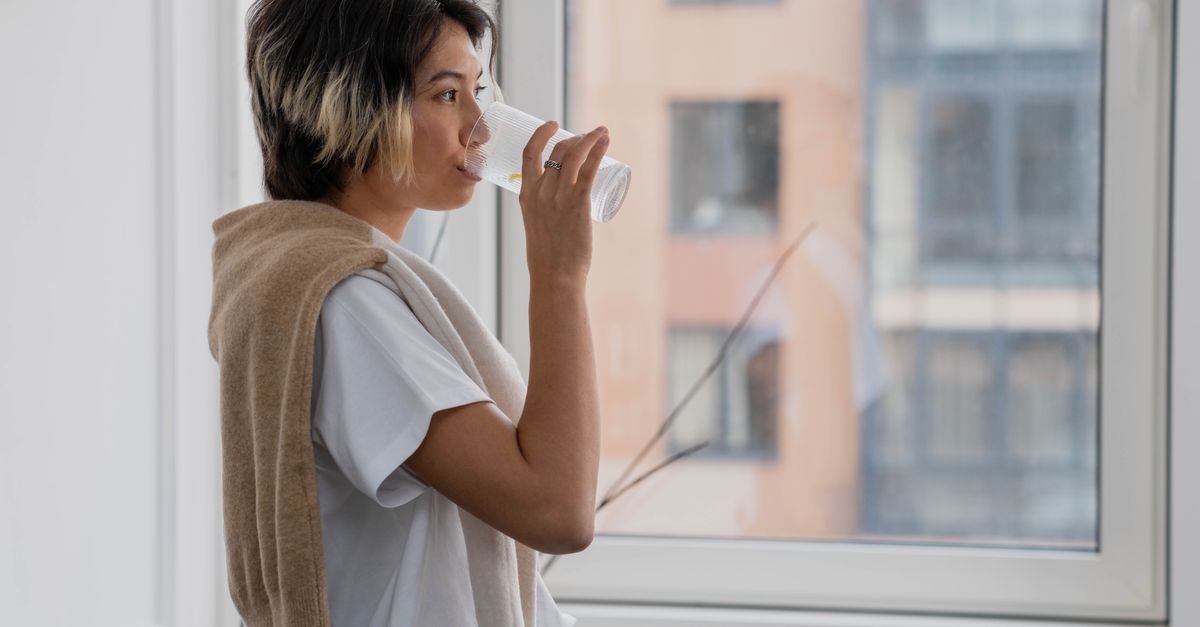
So I switched to: wake up, drink a full glass of water (dehydration causes 80% of morning fatigue), then wait until at least 60 minutes after waking for my first cup. I now get a steady energy curve instead of a spike-and-crash. Let's be honest, it took three days to adjust. Now I barely notice the wait.
The "Non-Negotiable" Movement That Takes 4 Minutes
You don't need a full workout. A 2019 meta-analysis in British Journal of Sports Medicine showed that just 4 minutes of bodyweight exercises (squats, push-ups, lunges) improves cognitive performance by 15% for the next two hours. The mechanism is increased blood flow to the prefrontal cortex — your decision-making center.
I've found that doing this before checking my phone is critical. If I pick up my phone first, I lose 20 minutes to doomscrolling. But if I do 4 minutes of movement first, my brain shifts into "action mode." Your brain associates movement with wakefulness. It's that simple. I do 40 seconds of air squats, 40 seconds of push-ups (on knees if needed), 40 seconds of lunges, then repeat. Timer on, no excuses.
The Journaling Trick That's Not About Gratitude
I tried gratitude journals. They felt forced. But a 2018 study from the University of Florida found that "future-self visualization" — writing about what your ideal day looks like — activates the same neural pathways as actually planning. It primes your brain to spot opportunities and solve problems before they happen.
Here's what I do: I write three bullet points every morning:
- One thing I want to feel today (not do)
- One small win I can guarantee (make the bed, reply to one email)
- One thing I'm avoiding that I need to face
The "No Decision" Breakfast
A 2022 study in Journal of Experimental Psychology found that decision fatigue starts accumulating from the moment you wake up. Every choice — what to wear, what to eat, what route to take — uses mental energy. The solution? Automate your breakfast.
I eat the exact same thing every morning: Greek yogurt with frozen berries and a drizzle of honey. It takes 90 seconds. No deliberation, no willpower drain. I've saved an estimated 30 minutes per week and hundreds of mental units. If you want variety, rotate two options. But don't give yourself a menu every morning. Your brain will thank you by being sharper for the real decisions.
The "Phone-Free First 15" Challenge
Here's a scary stat: a 2020 study from the University of Cambridge found that checking your phone within the first 15 minutes of waking increases stress hormone levels by 45% for the rest of the day. The reason? Your brain hasn't built its "emotional buffer" yet. You're reading about work drama, news disasters, or comparison traps before your prefrontal cortex is fully online.
I put my phone in another room overnight. I use a $10 alarm clock instead. The first 15 minutes of my day are now mine. I stretch, I look out the window, I drink my water. It sounds small, but it's the single biggest shift I've made. Your brain needs to ease into the world, not get slammed by it.

The "Micro-Task" That Kills Procrastination
You know that feeling when you wake up with a to-do list that's a mile long, and you immediately want to crawl back under the covers? A 2021 study from the University of California found that completing one small, tangible task within the first 5 minutes of your workday reduces procrastination by 70%. The task can be anything — making your bed, washing one dish, sending one email.
The dopamine hit from finishing anything rewires your brain to expect reward from action. You're essentially hacking your own motivation system. I make my bed every morning. It takes 45 seconds. And I've never regretted it. That one small win sets the tone for the next 16 hours.
The "Backward Planning" Strategy
Here's a counterintuitive one: plan your morning the night before — but backward. Instead of listing what you need to do, visualize your ideal morning outcome. A 2017 study in Psychological Science showed that people who mentally rehearsed their morning routine (including obstacles) were 40% more likely to follow through.
I do this: before I sleep, I close my eyes and imagine waking up, doing my light exposure, my movement, my coffee delay. I picture myself not hitting snooze. Your brain can't distinguish between mental rehearsal and real practice. It's called "implementation intentions." It sounds woo-woo. It works.
The "Why" Behind Every Habit
Here's the truth that most articles won't tell you: no habit sticks without a compelling reason. The science is clear — your brain's dopamine system is wired for reward prediction. If you don't feel better after a habit, you won't repeat it.
So ask yourself: why do you want better mornings? Is it to feel less anxious? To be more present for your kids? To stop hating your alarm clock? Write that reason down. Tape it to your mirror. Because when the habit feels hard, that reason is what gets you out of bed.
Look, I'm not a morning person. I never will be. But I've found that these science-backed habits don't require willpower — they require smart design. You don't need to become a 5 AM warrior. You just need to hack your biology, one small shift at a time.
So here's my challenge: pick one habit from this list. Just one. Do it for three days. See if you feel different. I bet you will.
What's the one morning habit you've always wanted to try but never started? Drop it in the comments — I read every single one.