
Did you know that the average American grocery store has more species of bacteria on a single head of lettuce than the entire human microbiome has types of gut flora? That’s right — the produce aisle is basically a microbial zoo, and most of us are walking past it without a second glance. But here’s the kicker: the bacteria you want in your gut aren’t found on that lettuce. They’re hiding in jars, bottles, and crocks of fermented foods — the stuff that smells funky, tastes sour, and might just save your digestion.
I’ve been on a fermented foods kick for about three years now, and let me tell you: it’s not just a trend for hipsters in Brooklyn. It’s the oldest food preservation trick in the book, and it’s making a comeback because science finally caught up with what your grandmother’s grandmother knew. If you’ve ever wondered why kimchi makes your stomach feel alive or why kombucha drinkers are so annoyingly enthusiastic, stick around. We’re about to get deep into the brine.
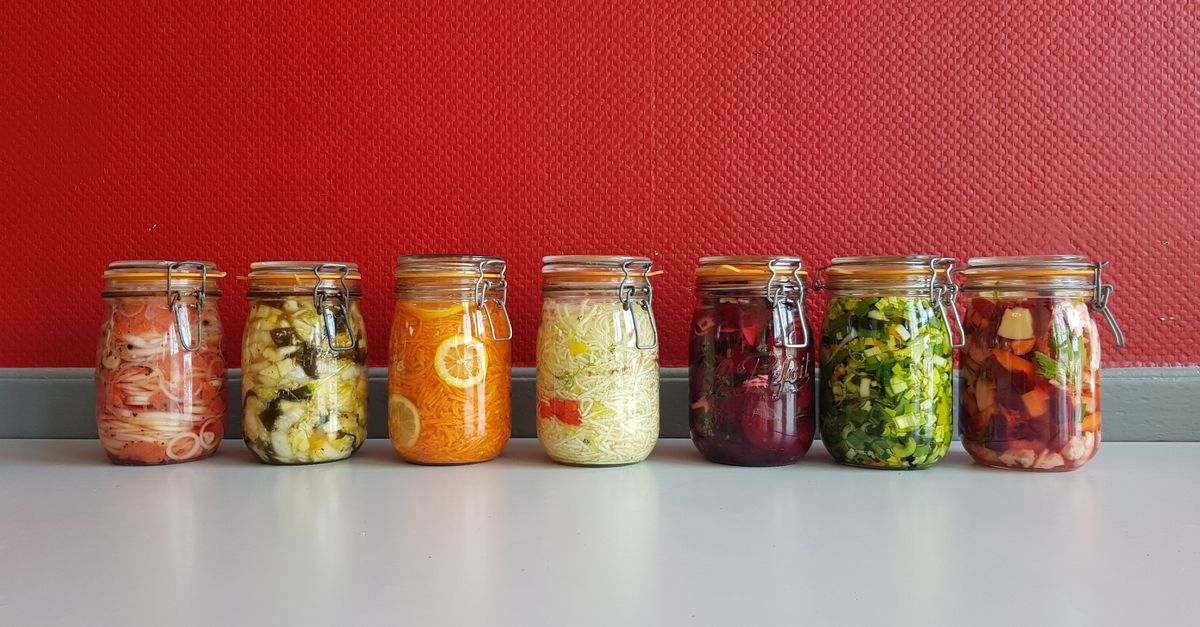
The Gut-Brain Connection Nobody Talks About
Most people think gut health is about digestion — passing gas, avoiding bloating, that kind of thing. But here’s what most people miss: your gut is actually a second brain. No joke. There are more neurons lining your digestive tract than in your spinal cord. It’s called the enteric nervous system, and it talks directly to your brain via the vagus nerve.
When you eat fermented foods, you’re not just feeding yourself — you’re feeding an entire ecosystem of bacteria that produce neurotransmitters like serotonin and dopamine. Roughly 90% of your body’s serotonin is made in your gut. So when you eat kimchi, you’re essentially giving your brain a happiness boost. I’ve found that on days I skip my fermented foods, I feel vaguely off — moody, foggy, like something’s missing. That’s not placebo. That’s biology.
The science is crystal clear: a diverse gut microbiome is linked to lower rates of depression, anxiety, and even neurodegenerative diseases. And the fastest way to increase that diversity? You guessed it — fermented foods.
Kimchi: The Spicy Superfood That Fights Inflammation
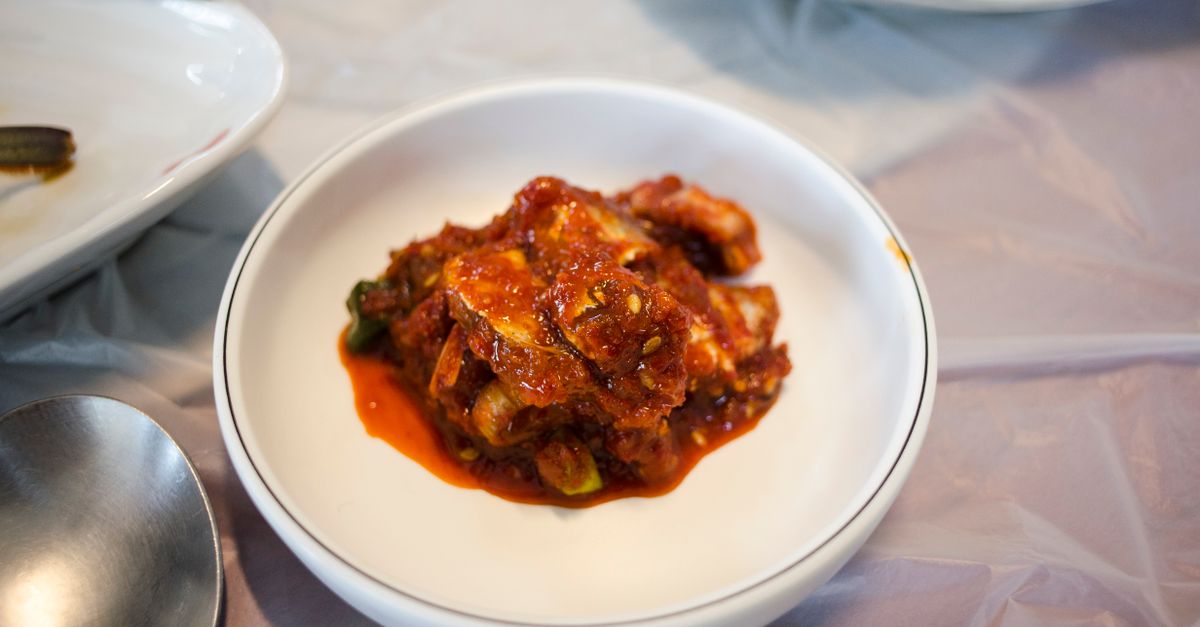
Let’s talk about the heavyweight champion of fermented foods: kimchi. This Korean staple is more than just cabbage with chili flakes. It’s a probiotic powerhouse that contains Lactobacillus strains — the same good bacteria found in yogurt, but with a serious flavor upgrade.
Here’s what makes kimchi special:
- It’s a natural anti-inflammatory. The fermentation process produces bioactive compounds that reduce markers of inflammation like CRP (C-reactive protein).
- It boosts immune function. One study found that people who ate kimchi daily had lower rates of respiratory infections during flu season.
- It supports weight management. Kimchi is low-calorie but high in fiber and probiotics, which help regulate appetite hormones.
Pro tip: Don’t cook kimchi if you want the probiotics. Heat kills the live bacteria. Eat it raw, cold, straight from the jar. Your taste buds will adapt.
Kombucha: The Fizzy Probiotic Drink That’s Not Just Hype
Now let’s address the elephant in the room: kombucha. Is it actually healthy, or is it just overpriced vinegar water? I’ve been brewing my own for two years, and I’m here to tell you — it’s legit, but only if you do it right.
Kombucha is made by fermenting sweetened tea with a SCOBY (Symbiotic Culture Of Bacteria and Yeast). The result is a tangy, slightly effervescent drink loaded with:
- Acetic acid — the same stuff in vinegar, which helps balance blood sugar
- Glucuronic acid — supports liver detoxification pathways
- B vitamins — especially B12, which is rare in plant-based diets
- Probiotics — multiple strains of Lactobacillus and Acetobacter
I’ve found that drinking kombucha first thing in the morning — before coffee — gives me a clean energy boost without the jitters. It’s not a cure-all, but it’s a hell of a lot better than soda.
The 3 Things You Need to Know Before You Start Fermenting
If you’re ready to jump in, here’s the shortlist of what I wish someone had told me:
- Start with something simple. Don’t try to make your own miso or natto right away. Begin with sauerkraut or quick-pickled vegetables. They’re nearly impossible to mess up.
- Salt is your friend. Fermentation relies on salt to inhibit bad bacteria while allowing good bacteria to thrive. Use non-iodized salt — iodized can kill the good guys.
- Trust your nose. If it smells rotten or like garbage, toss it. If it smells funky, sour, or slightly yeasty — that’s normal. The line between “fermented” and “spoiled” is clear once you’ve smelled both.
Why You Should Eat Fermented Foods Every Day (And How to Do It)
Here’s the bottom line: fermented foods are not a fad. They’re a return to how humans have eaten for thousands of years, before refrigeration and pasteurization. Our ancestors didn’t have probiotic supplements — they had crocks of pickles, jars of sauerkraut, and bottles of kefir.
Modern research backs this up. A 2021 study from Stanford found that a diet rich in fermented foods increased microbiome diversity and reduced markers of inflammation in just 10 weeks. That’s faster than any pill or powder.
So how do you incorporate them daily without going crazy?
- Add a spoonful of kimchi to your eggs or rice bowl — it’s like a flavor bomb.
- Drink 4-6 ounces of kombucha with lunch — skip the soda.
- Use sauerkraut as a topping on sandwiches or salads — it adds crunch and probiotics.
- Try kefir instead of yogurt — it has more strains of bacteria and yeasts.

The Hidden Danger Most Fermentation Enthusiasts Ignore
I’d be doing you a disservice if I didn’t mention the elephant in the room: histamine intolerance. Fermented foods are high in histamines, which can trigger symptoms like headaches, rashes, or digestive issues in sensitive people.
If you’re new to fermented foods, start slow. A few bites of kimchi or a quarter-cup of kombucha per day is plenty. Listen to your body. If you feel wired or anxious after eating them, you might be sensitive. That doesn’t mean fermented foods are bad — it means you need to find the right balance.
I’ve had friends who couldn’t tolerate store-bought kombucha but did fine with homemade versions fermented for shorter periods. The less time it ferments, the lower the histamine content. Experiment, but don’t force it.
Your Gut Is Waiting
Here’s the thing: your gut microbiome is unique to you. No two people have the same bacterial fingerprint. So what works for me might not work for you. But the science is clear — fermented foods are one of the most effective ways to improve gut health, reduce inflammation, and support mental well-being.
Start small. Buy a jar of raw sauerkraut from the refrigerated section of your grocery store. Take a bite. See how you feel. If your stomach gurgles happily, you’re on the right track.
And if you’re feeling adventurous, try making your own kimchi this weekend. It’s messy, it’s fun, and it connects you to a tradition that’s older than written history. Your ancestors would be proud. Your gut will thank you.
Now go eat something sour. Your brain needs it.