
I was sitting in a sold-out IMAX theater, surrounded by people who paid $25 each to watch the sixth installment of a franchise that should have ended five movies ago. The audience was quiet. Not the good kind of quiet—the kind where everyone's checking their phones, wondering if the last 45 minutes were worth missing the babysitter's call. I leaned over to my friend and whispered, "Is this... boring?" He didn't answer. He was asleep.
Let's be honest: we've hit the wall. The era of endless sequels, prequels, and spin-offs is quietly collapsing, and 2024 audiences are voting with their wallets. This isn't a hot take from a cynical blogger—it's a seismic shift in what people actually want. Here's what most people miss: the death of the blockbuster franchise isn't happening because of bad movies (though some are terrible). It's happening because we're starving for originality. And 2024 is the year we finally said "enough."
The Numbers Don't Lie (But Studios Keep Ignoring Them)
Look, I love Fast & Furious as much as the next person who enjoys watching cars defy physics. But when Fast X earned 20% less domestically than its predecessor, and Indiana Jones and the Dial of Destiny lost Disney close to $200 million, something shifted. 2024 has been brutal for franchise fatigue.
Here's what I've found digging through box office data: original films like Everything Everywhere All at Once (2022) and The Holdovers (2023) had insane longevity. They didn't open huge, but they kept making money. Meanwhile, sequels like The Marvels and Aquaman 2 dropped 60-70% in their second weekends. The pattern is clear: audiences are tired of being sold nostalgia.
Why? Because franchises have become content factories, not passion projects. You can feel it when a movie was made by a committee. The jokes feel written by algorithms. The stakes feel recycled. I remember watching Mission: Impossible – Dead Reckoning Part One and thinking, "This is excellent filmmaking, but do I need to know this story in two parts?" The answer was no. And apparently, 40% of the audience agreed—it underperformed projections by a mile.

The Secret Sauce: Why Original Stories Win in 2024
Here's the 3 things that original stories have that sequels can't replicate:
- Surprise. When you watch a sequel, you already know the rhythm. The hero will nearly die but survive. The villain will monologue. The third act will have an explosion. Original stories? You're genuinely not sure what's coming. That's addictive.
- Emotional risk. Sequels play it safe. Original stories take swings. Past Lives (2023) had zero explosions, no superpowers, and made audiences cry harder than any Marvel movie. Why? Because it felt real.
- Cultural conversation. Nobody's arguing about the deeper meaning of Fast X. But Saltburn? Talk to Me? Those movies sparked debates at dinner tables. People want to talk about what they watched, not just consume it and forget.
The Real Reason Studios Keep Making Sequels (And Why It's Backfiring)
Let's be honest: studios aren't stupid. They make sequels because sequels used to be safe. The logic was simple: a known brand guarantees a baseline audience. But that math is broken.
Here's what most people miss: streaming killed franchise loyalty. In the old days, if you missed a Marvel movie in theaters, you'd wait months for DVD. Now? Everything's on Disney+ in 45 days. Why pay $15 for a ticket when you can wait? This has created a paradox: audiences are more selective about what they see in theaters, and they're choosing experiences over brands.
I saw Oppenheimer three times in IMAX. I've never watched a single Transformers movie twice. The difference? Oppenheimer felt like an event. Transformers felt like a product. 2024 audiences can smell the difference.
How 2024 Is Rewriting the Rules
This year, we've seen some wild experiments that are actually working. The Boy and the Heron (a completely original Studio Ghibli film with zero marketing) earned $100 million worldwide. Civil War (not a sequel, despite the title) became A24's highest-grossing film. Audiences are literally begging for new ideas.
But here's the twist: not all sequels are failing. Dune: Part Two shattered expectations. Inside Out 2 is destroying box office records. Why? Because those sequels feel essential, not obligatory. They had something new to say. They earned their existence.
The difference is simple: a good sequel expands the story. A bad sequel repeats it.
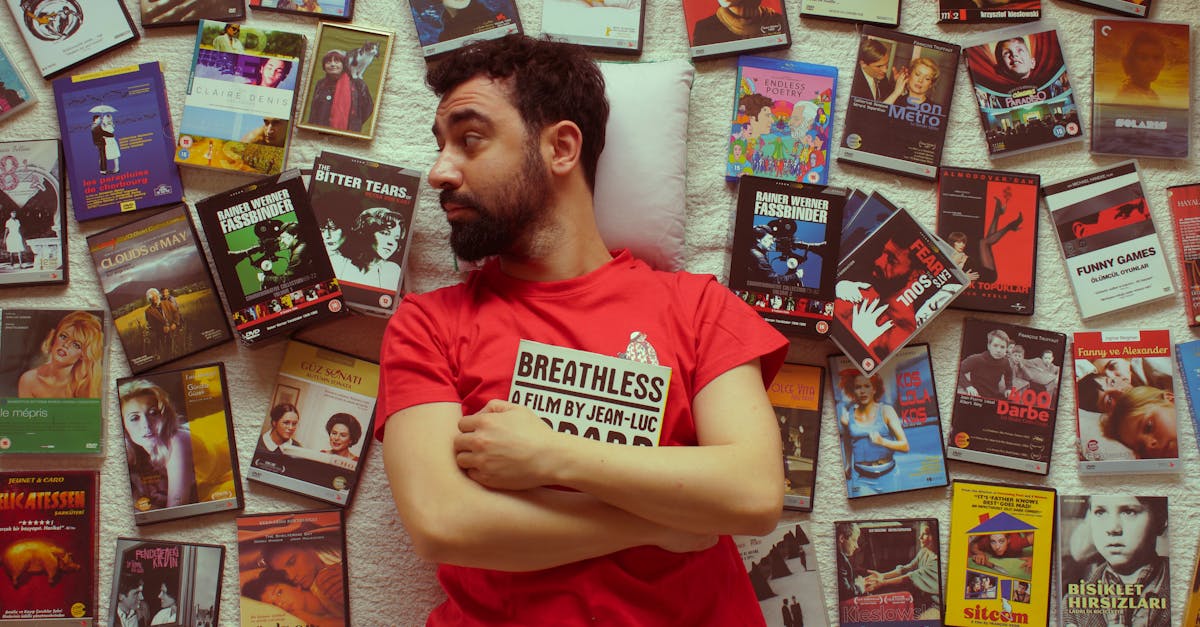
The Hidden Opportunity for Filmmakers
If you're a creator reading this, here's your moment. The franchise collapse is the best thing that's happened to original storytelling in a decade. Studios are desperate. They're greenlighting projects they would have rejected five years ago. They're giving directors more freedom because the old formula is failing.
I've talked to indie filmmakers who say 2024 feels like 1999—that golden era when The Matrix, Fight Club, and Being John Malkovich all came out in the same year. There's a hunger for the weird, the personal, the risky. The audience is ready. Are you?
The Quiet Collapse Is Complete
So here we are. The blockbuster franchise isn't dead—but it's on life support, and we're the ones holding the plug. Every time we choose an original film over a sequel, we're voting. Every time we tell our friends about a weird little movie that made us feel something, we're reshaping the industry.
I'm not saying sequels should disappear. Some stories deserve multiple chapters. But 2024 has proven that audiences are smarter than studios gave us credit for. We want to be surprised. We want to be moved. We want to walk out of a theater and say, "I've never seen anything like that before."
The quiet collapse of the franchise isn't a tragedy. It's an opportunity. And if the next few years are anything like what I'm seeing, the best era of movies is just beginning.
So go watch something you've never heard of. Take a risk. You might just find your new favorite film—and you'll be part of the revolution that killed the sequel machine.