
Did you know that the average professional in Ho works 52 hours a week, but spends less than 2 hours on intentional health? That’s a staggering 96% of waking hours dedicated to deadlines, meetings, and commutes, with almost zero time for the body that makes it all possible. I’ve seen it firsthand—friends who are lawyers, teachers, and startup founders in Ho running on caffeine and adrenaline until their bodies scream “stop.” It’s not sustainable. And here’s the hidden truth: your productivity isn’t your most valuable asset—your health is. Let’s be honest, if you crash, so does your career. So how do you fix this without quitting your job? And where do you go on Sundays in Ho to recharge your spirit, not just your body? Buckle up—this isn’t generic advice. This is real talk for busy professionals in Ho who are done with burnout.
The 5-Minute Morning Ritual That Changed My Productivity
I used to hit snooze three times, chug coffee, and sprint out the door. Result? I felt foggy by 10 AM and irritable by 3 PM. Then I stumbled onto something most people miss: a five-minute micro-routine that doesn’t require a gym or a yoga mat. Here’s what works for me and many of my clients in Ho:
- Hydrate first – Drink a glass of water before anything else. Your brain is 73% water. Dehydration mimics fatigue.
- Box breathing – Inhale for 4 seconds, hold for 4, exhale for 4, hold for 4. Do this 3 times. It lowers cortisol instantly.
- One stretch – Reach your arms overhead and touch your toes. That’s it. It wakes up your spine.
- Set one intention – Not a to-do list. Just one thing you’ll do for yourself today (e.g., “I will take a 3-minute walk after lunch”).

Why Your Desk Is Slowly Killing You (And What to Do About It)
Here’s the uncomfortable truth: sitting is the new smoking. Studies show that prolonged sitting increases your risk of heart disease, diabetes, and even some cancers. And if you’re in Ho working a desk job, you’re probably sitting for 8-10 hours a day. I used to think standing desks were a fad until my lower back started screaming during meetings. Now I swear by a simple hack: the 50-10 rule. Work for 50 minutes, then move for 10. Not a full workout—just walk around your office, stretch your neck, or do a few lunges.
What most professionals miss is that movement doesn’t have to be exercise. It can be:
- Taking the stairs instead of the lift.
- Walking while on phone calls (I do this for all client catch-ups).
- Doing a quick shoulder roll every time you finish an email.
The Food Trap: How to Eat Well Without Meal Prepping for 3 Hours
Let’s be real—who has time to chop vegetables for an hour on Sunday? I don’t. And neither do most busy professionals in Ho. But here’s the secret: you don’t need to meal prep. You need smart shortcuts. Here are the three things I do that keep my energy stable without a kitchen marathon:
- Keep a “grab-and-go” bag in your office or car with nuts, seeds, a banana, and a packet of instant oatmeal. When hunger strikes, you won’t reach for biscuits.
- Order smarter when eating out. Many restaurants in Ho have healthier options—ask for grilled instead of fried, and a side of vegetables instead of rice.
- Use the “two-bite rule” for cravings. If you want chocolate, eat two bites, then put it away. You satisfy the craving without the sugar crash.

Ho’s Hidden Sunday Sanctuaries: Where to Recharge Spiritually
Now for the part I’m most excited about—where to recharge on Sundays in Ho. Because health isn’t just physical; it’s spiritual. And I don’t mean you have to sit in a church pew for three hours (unless that’s your thing). I mean finding a place that quiets your mind and lifts your soul. Ho has some incredible spots that most professionals overlook.
First, the Ho Municipal Park is a gem. It’s quiet in the early morning, with walking paths and benches under big trees. I’ve gone there on Sunday mornings just to sit and breathe. No phone. No agenda. Just me and the breeze. It’s my version of church.
Second, the Volta River banks near the Keta Lagoon area. There’s something about being near water that resets your nervous system. I’ve seen families meditating, friends having quiet conversations, and even strangers just staring at the water. If you’re feeling spiritually drained, go there for 30 minutes. Let the sound of the water wash away the week’s noise.
Third, local prayer gardens like the ones around the Evangelical Presbyterian Church or the Catholic grotto. These are open to anyone, regardless of faith. You don’t have to pray—just sit in the silence. I’ve found that silence is the most underrated spiritual practice. Busy professionals are bombarded with noise all week. Sunday is your chance to unplug.
One more hidden spot: the Tafi Atome Monkey Sanctuary is about an hour from Ho, but it’s worth the trip. Being surrounded by nature and wildlife is deeply grounding. It’s a gentle reminder that life isn’t just about deadlines and emails—it’s about connection.
The Sunday Reset Ritual: 4 Steps to Prepare for Monday Without Dread
Sunday anxiety is real. I’ve felt it—the sinking feeling when you realize Monday is tomorrow. But I’ve developed a Sunday reset ritual that turns dread into calm. Here’s how it works:
- Step 1: Digital sunset – Turn off work notifications by 6 PM on Sunday. Don’t check emails. They can wait until Monday morning.
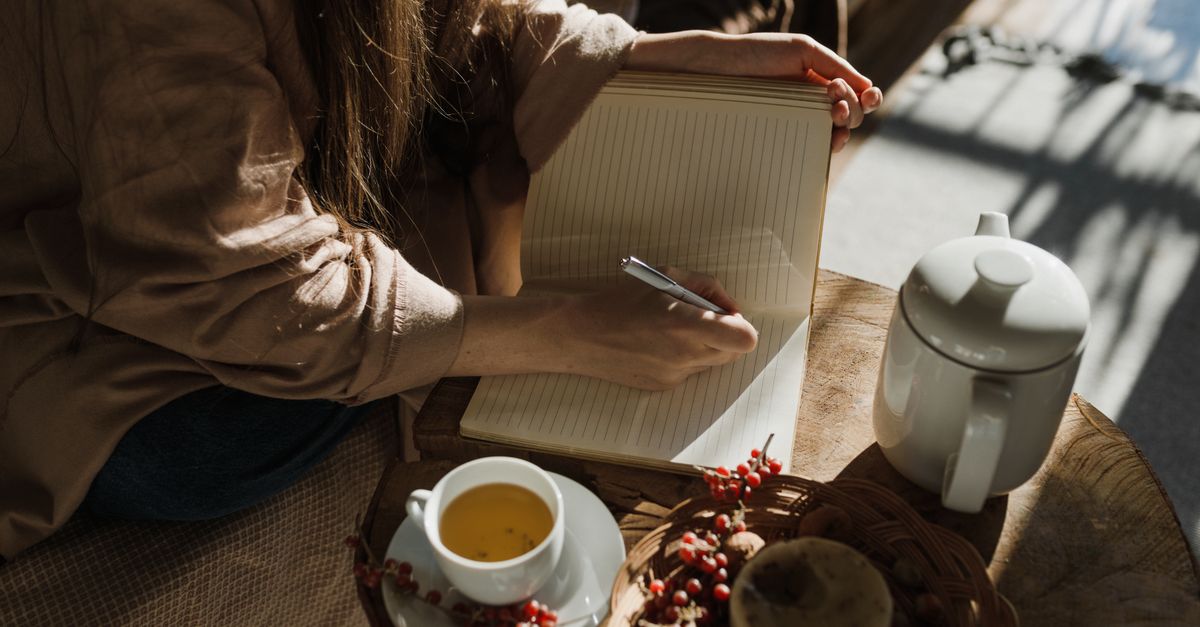
- Step 2: Reflective journaling – Write down three things you’re grateful for from the past week. Gratitude rewires your brain for optimism.
- Step 3: Plan your “one thing” – Pick the most important task for Monday and write it down. That’s it. Don’t plan the whole week—just Monday’s priority.
- Step 4: Wind-down ritual – Take a warm bath, read a physical book (not a screen), or listen to calming music. Signal to your body that it’s time to rest.
The Truth About Sleep: It’s Not About 8 Hours
Here’s a controversial opinion: the 8-hour sleep rule is outdated. Some people thrive on 6.5 hours; others need 9. The real secret is sleep quality, not quantity. For busy professionals in Ho, the biggest sleep killer is blue light from phones. I used to scroll Instagram in bed, and I wondered why I felt tired in the morning.
Now I follow what I call the “phone-free 30” —no screens for 30 minutes before bed. Instead, I read, stretch, or listen to a podcast. The difference is night and day. I fall asleep faster, wake up less, and feel more refreshed.
Another tip: keep your room cool. Your body temperature drops naturally when you sleep. A slightly cooler room (around 20°C or 68°F) helps you fall asleep faster. And if you snore or wake up gasping, talk to a doctor—sleep apnea is more common than you think.
The Final Word: You Deserve to Feel Good
Look, I get it. You’re busy. You have deadlines, family obligations, and a thousand things on your plate. But here’s what most people miss: health isn’t a luxury—it’s the foundation of everything you want to achieve. If you don’t invest in yourself, you won’t have the energy to invest in your work, your relationships, or your dreams.
Start small. Pick one tip from this article and try it tomorrow. Maybe it’s the 5-minute morning ritual. Maybe it’s visiting the Volta River on Sunday. Whatever it is, do it for yourself. Because you’re not a machine. You’re a human being who deserves to feel alive, not just functional.
And if you ever find yourself in Ho on a Sunday, look for me under the big tree at the Municipal Park. I’ll be the one with the journal and the cup of tea. You’re welcome to join me.