I almost choked on my coffee when my 16-year-old cousin called my vintage leather jacket "cringey." Not "old." Not "retro." Cringey. That word stung more than realizing my Spotify playlist was now considered "dad rock." But here’s the thing—she wasn’t trying to be mean. She was genuinely confused why anyone would want to wear something that screams "I’m trying too hard."
That’s when it hit me: Gen Z isn’t just changing fashion or slang. They’re rewriting the entire playbook on what “cool” even means. And if you’re a millennial, Gen Xer, or boomer still clinging to your distressed denim and irony T-shirts, buckle up—because this shift is seismic, and it’s already reshaping culture, marketing, and how we all relate to each other.
The Death of Effortless Cool (And the Rise of Intentional Cringe)
For decades, cool was about effortless mastery. Think James Dean in a leather jacket, or the aloof guy at a party who never tries but still gets all the attention. It was about projecting an image of not caring—while secretly caring a lot. We called it "nonchalance."
Gen Z saw through that. They grew up in an era of curated Instagram feeds, TikTok trends, and relentless performance. They watched millennials agonize over the perfect brunch photo or the "just rolled out of bed" messy bun that took 45 minutes. And they decided the whole game was exhausting.
Instead, they’ve embraced what I call "intentional cringe." It’s the kid who unironically wears Crocs with socks, dances badly in public, or posts a video of themselves crying over a breakup. It’s not that they don’t care—it’s that they’ve redefined caring. Cool now means authenticity over polish, vulnerability over invulnerability. Let’s be honest: when was the last time you saw a millennial admit they were wrong in public? Gen Z does it for clout.
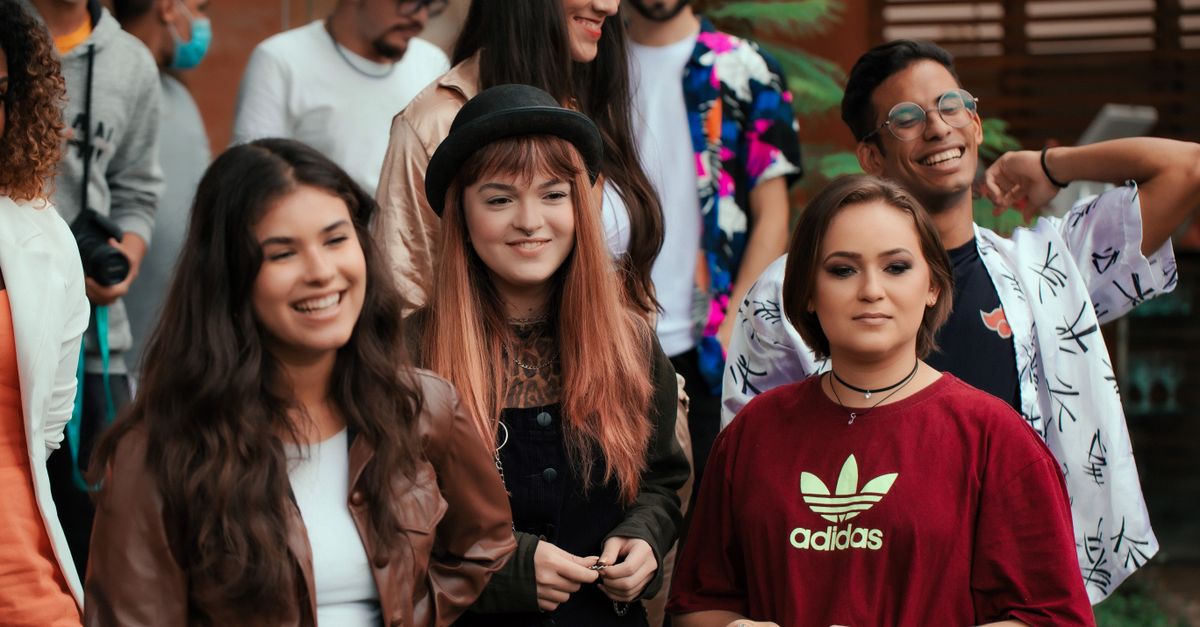
The Algorithm Killed Gatekeeping—So Cool Became a Conversation
Here’s what most people miss: cool used to be scarce. You had to be in the right city, know the right people, or read the right magazine to know what was cool. Gatekeepers—from record label execs to fashion editors—decided what was “in.” That scarcity made cool aspirational.
But Gen Z grew up with the internet. They can discover a niche subculture from a village in Brazil or a bedroom producer in Tokyo in seconds. Cool isn’t about exclusivity anymore—it’s about speed and discovery. If you find something before everyone else, you’re cool. But the moment it hits the mainstream? It’s dead. This is why trends now last weeks, not months.
What does this mean for everyone else? You can’t buy cool anymore. You can’t wear a brand and hope it makes you interesting. Gen Z sees through that—they call it "trying to be a walking advertisement." Instead, cool comes from:
- Curiosity about obscure things
- Humility to admit you don’t know everything
- Community over competition
The 3 Things Gen Z Considers “Cringe” (And Why They’re Right)
Let’s get specific. Here are three things my cousin and her friends have openly mocked me for—and after thinking about it, I realized they have a point.
- Overt Branding – Wearing a giant Nike swoosh or a Louis Vuitton logo? They see it as paying to be a billboard. Cool is now subtle, thrifted, or completely unbranded.
- Irony as a Shield – Remember when everyone wore ironic trucker hats or “I’m with stupid” T-shirts? Gen Z calls that “hiding behind humor.” They prefer sincerity—even if it’s awkward.
- Hustle Culture – Bragging about working 80-hour weeks or “grinding” is now seen as tragic, not aspirational. Cool is having boundaries, admitting you need rest, and not tying your identity to productivity.

What This Means for the Rest of Us (Yes, Even You, Boomer)
If you’re over 30, you might feel like you’re speaking a different language. And you are. But here’s the secret: you don’t have to adopt Gen Z’s style or slang to stay relevant. Trying to do that is the fastest way to look desperate—and they’ll smell it from a mile away.
Instead, the lesson is deeper. Cool has always been about signaling belonging. What’s changed is what we signal. It used to be status, wealth, or taste. Now it’s values, vulnerability, and community. That’s not a bad thing—it’s actually healthier.
What I’ve learned from watching this shift:
- Stop performing. The most “cool” people I know now are the ones who openly admit they don’t know something.
- Embrace your cringe. My cousin loves that I still listen to 80s synth-pop. She calls it “camp.” I’ve stopped defending it.
- Listen more than you judge. Gen Z is redefining cool in ways that are more inclusive, more honest, and less toxic. Maybe we should pay attention instead of rolling our eyes.
The Final Truth: Cool Is Dead. Long Live Cool.
Here’s the thing nobody wants to admit: cool has always been a moving target. What was cool in 1995 looks ridiculous now (remember frosted tips?). What’s cool in 2025 will look equally silly in 2035. But Gen Z has done something radical—they’ve made cool a process rather than a possession.
Cool is no longer something you are. It’s something you do—by being curious, vulnerable, and kind. That’s terrifying for anyone who built their identity on being effortlessly better than others. But it’s liberating for everyone else.
So, what do you think? Are you clinging to your old definition of cool, or are you ready to let it go? Drop a comment—I genuinely want to know. Because the only thing that’s truly uncool now? Not being willing to change.