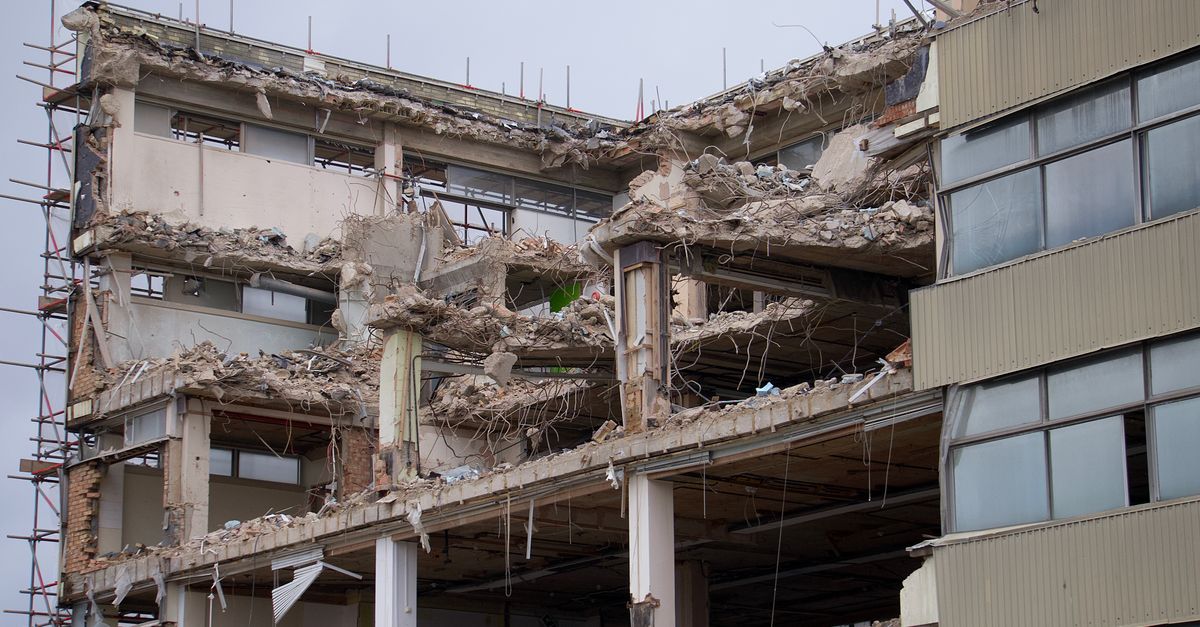
I remember the exact moment my faith felt like a house of cards. I was sitting in a church parking lot, gripping my steering wheel, watching people file out after a service that had felt hollow. Not because the pastor was bad, but because something inside me had snapped. I wasn't angry at God. I wasn't doubting His existence. I was just... tired. Tired of pretending the answers I'd been handed fit the questions I was asking. I thought my faith was dying. Turns out, it was just getting ready to be reborn.
Let's be honest: a crisis of faith feels like a betrayal. You've done everything right. You've read the books, said the prayers, showed up. And then, out of nowhere, the ground gives way. You start questioning things you never questioned before. You feel guilty for even having the thoughts. But here's what most people miss: that shaking isn't destruction. It's deconstruction. And deconstruction isn't the enemy of faith — it's the midwife of a faith that can actually survive the real world.
The Difference Between Demolition and Deconstruction
Most of us treat our faith like a monolithic building. We think it should be solid, unmoving, and unchanging. So when a crack appears — when a doctrine doesn't hold up, when a church leader disappoints us, when life deals a blow that our neat theological system can't explain — we panic. We assume the whole thing needs to be either defended at all costs or bulldozed into rubble.
But here's a truth I wish someone had told me earlier: deconstruction is not demolition.
Demolition is reactive. It's throwing the baby out with the bathwater because the bathwater got dirty. Deconstruction is intentional. It's carefully examining each brick, asking: Is this load-bearing? Does this belong to the foundation, or did someone just stack it here because it looked nice?
Think of it like renovating an old house. You don't tear down the whole structure just because the wallpaper is ugly or the wiring is outdated. You strip it back. You test the beams. You replace what's rotten. You reinforce what's true. And when you're done, the house looks different — but it's stronger, more honest, and more yours.
The goal of deconstruction is renewal, not abandonment. It's just that renewal is messy before it's beautiful.

Why Your Doubt is a Spiritual Muscle, Not a Sin
I've found that many religious environments teach us to fear doubt. Doubt is framed as the enemy of faith, the slippery slope to atheism, the crack in the armor that the devil uses. But honestly? That's a terrible theology.
Doubt isn't the opposite of faith. Certainty is the opposite of faith. Faith requires some element of not knowing, of trusting beyond the evidence. Doubt is just the honest acknowledgment that you don't have all the answers yet. And pretending you have all the answers is what kills faith, not asking hard questions.
Let's look at the Bible itself. The psalmists were experts at raw, unfiltered doubt. "My God, my God, why have you forsaken me?" That's not a lack of faith — that's a cry of faith. You don't cry out to someone you don't believe exists. You cry out precisely because you believe they're there, even when you can't feel them.
Here's what I've learned: doubt is a muscle. The more you exercise it, the stronger your faith becomes. But you have to use it properly. Don't just doubt to doubt. Doubt with intention. Ask: What exactly am I struggling with? Is this a theological issue, a pastoral failure, or a personal wound? Sometimes the problem isn't God — it's a bad sermon, a toxic church culture, or a version of God that was too small to begin with.
The 3 Things I Had to Let Go to Find Real Faith
I can't tell you what you need to deconstruct. That's between you and God (and maybe a good therapist). But I can share the three things I had to release before my faith could breathe again.
1. The need for absolute certainty. I used to think I had to have a bulletproof answer for every question. An atheist asks about suffering? I needed the perfect theodicy. A friend questions the resurrection? I needed airtight apologetics. But faith isn't a courtroom. It's a relationship. And relationships don't thrive on perfect arguments — they thrive on trust, vulnerability, and the willingness to say, "I don't know, but I trust the One who does."
2. The idea that my faith was my identity. This one hurt. I had wrapped my entire sense of self in being "the religious one," "the good Christian," "the person with it all together." When my faith started cracking, so did my identity. But here's the liberating truth: your faith is something you hold, not something you are. You are a person loved by God — full stop. Your doubts, your questions, your messy deconstruction — none of it changes that core identity. You can let go of the performance and still be held.
3. The fear of being wrong. This is the big one. Most of us don't deconstruct because we're afraid of what we'll find. What if I question the Bible and it doesn't hold up? What if I pray and nothing changes? What if I'm wrong about everything? But here's the secret: being wrong is not the end of the world. Being wrong about some things is the only way to be right about the things that matter. If your faith can't survive being questioned, it wasn't faith — it was a house of cards.
The Hidden Gift in the Wreckage
I'm not going to romanticize a crisis of faith. It's painful. It's lonely. It can cost you relationships, community, and a sense of belonging. But if you're in the middle of it right now, I want you to consider something: this might be the most honest relationship with God you've ever had.
Think about it. Before the crisis, you might have been going through the motions. Singing songs you didn't feel. Praying prayers you didn't mean. Showing up to a faith that was more habit than heart. Now? You're raw. You're real. You're not pretending anymore. And God — if God is who we say God is — can work with raw and real.
I've found that the people who come out the other side of deconstruction have a faith that is resilient, humble, and deeply personal. They don't need to defend God because they know God can handle the questions. They don't need to have all the answers because they've learned to live with mystery. They don't judge others who are still in the messy middle because they remember what it felt like.
One of the most beautiful things I've ever heard someone say was this: "I used to have a faith that was like a suit I wore. Now my faith is like my own skin." That's the goal. Not a faith that looks good from the outside, but one that fits you — scars, doubts, questions, and all.
How to Deconstruct Without Destroying Yourself
If you're in the middle of a crisis of faith, here's some practical advice from someone who's been there.
Don't deconstruct alone. This is the biggest mistake I see. People start questioning and immediately isolate themselves because they're afraid of judgment. But isolation is where despair grows. Find one safe person — a therapist, a mentor, a friend who won't try to fix you — and tell them the truth. You don't need to announce it on social media. You just need one person who can hold space for your questions.
Let go of the timeline. You don't have to figure everything out by next month. Or next year. Deconstruction takes time. Some questions never get fully answered this side of eternity. And that's okay. The goal isn't to arrive at a perfect system; it's to live in honest relationship with God and others.
Keep what's good. Not everything you believed was wrong. If you grew up in faith, you probably received some beautiful truths along with the problematic ones. Don't throw out love because you found hypocrisy. Don't discard grace because you found legalism. Be discerning. Keep the gold, discard the gravel.
Stay open to surprise. The God who is bigger than your deconstruction is also bigger than your reconstruction. You might end up in a place you never expected — more traditional, more progressive, or somewhere completely unique. Let God be God. Let the journey unfold.

The Blessing You Didn't Ask For
Here's the thing no one tells you about a crisis of faith: it's not the end of your story. It's the plot twist that makes the story worth telling.
The faith that emerges from deconstruction is not a weaker faith. It's a tested faith. It's been through the fire. It's been stripped of pretense. It knows what it believes and why — not because someone told it to, but because it fought for those beliefs in the dark.
Your crisis of faith is not a punishment. It's an invitation. An invitation to stop living on borrowed faith and start building your own. An invitation to stop hiding your questions and start asking them in the presence of a God who is not threatened by your honesty.
And yes, it's terrifying. But so is any birth.
So if you're in the middle of it right now, here's my hand across the internet. You're not broken. You're not a failure. You're not losing your faith. You're just shedding the version of faith that was never big enough to hold you.
What comes next? I don't know exactly. But I know this: the God who met you in your certainty can meet you in your questions. And honestly? I think He prefers the questions.