Let’s rip the Band-Aid off right now: I think we’ve been lied to about plastic. Not the big, obvious lie that recycling works (it mostly doesn’t), but the smaller, more insidious lie that the tiny bits we can’t see are harmless. For years, we’ve been told microplastics are just an ocean problem — a sad story for fish and seabirds. Meanwhile, we’ve been sipping from plastic bottles, microwaving leftovers in takeout containers, and breathing in synthetic fibers like they’re part of our daily vitamin regimen.
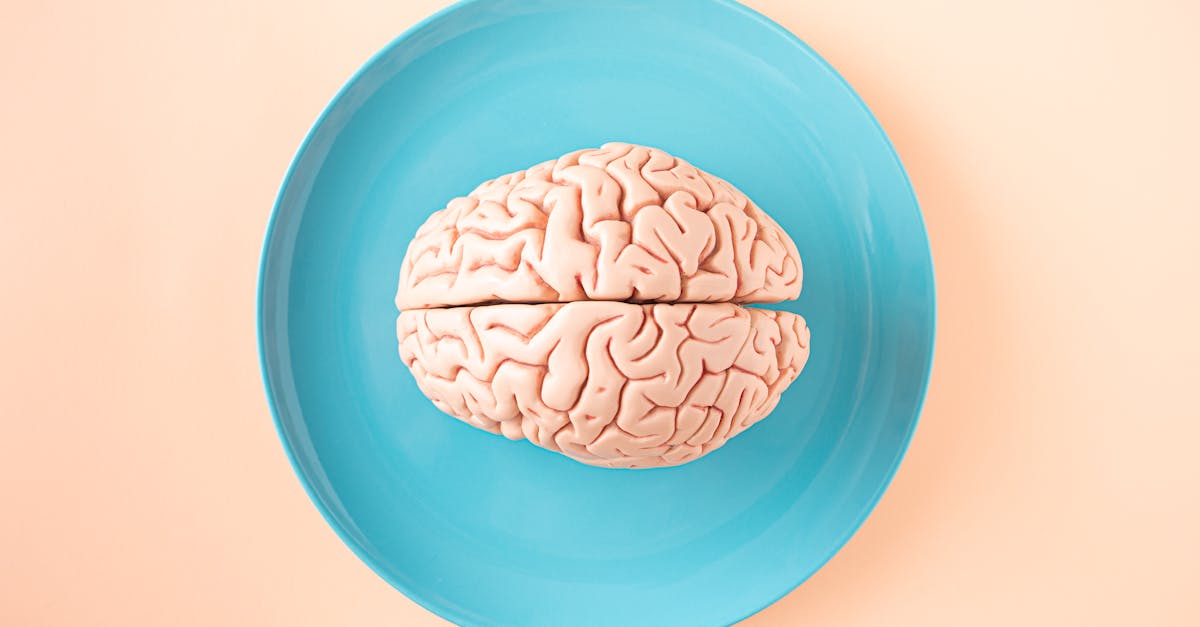
Well, a new study just dropped, and it’s not pretty. Your brain is now on the menu.
Researchers from the University of Rhode Island and a few other heavy-hitters published data showing that microplastics don’t just hang out in your gut or lungs — they cross the blood-brain barrier. And once they’re in your gray matter, they start playing a very dangerous game. This isn’t fear-mongering. This is science, and it’s the kind that makes you want to throw away every plastic spatula in your kitchen.

The Plastic Invasion You Didn't Sign Up For
Here’s the kicker: microplastics are everywhere. They’re in the air you breathe, the water you drink, the salt you sprinkle on your eggs, and yes — even in the placenta of unborn babies. We’re not talking about hypotheticals anymore. We’re talking about particles smaller than a grain of rice that have been found in human blood, lungs, and now, definitively, in brain tissue.
The new study, published in a peer-reviewed environmental health journal, tracked mice exposed to realistic levels of microplastics over several weeks. What they found sent a chill down my spine: the mice showed clear signs of cognitive decline. We’re talking reduced memory, slower reaction times, and even behavioral changes that looked like early-stage dementia. The plastic particles triggered inflammation in the brain, disrupted the function of microglia (the brain’s immune cells), and literally changed the structure of the neurons.
Let me be honest with you: I’ve read a lot of scary studies. This one hit different. Because this isn’t about something you can avoid by eating organic or meditating. This is about the material our entire modern world is built on.
Why Your Brain Hates Tiny Plastic
So what’s actually happening inside your skull? Let’s break it down in plain English.
When microplastics enter the brain, they don’t just sit there like lazy tourists. They act like tiny, jagged invaders. Here’s the mechanism:
- Inflammation overload: The brain sees these particles as foreign threats. It sends in immune cells to attack, which causes chronic low-grade inflammation. Over time, this inflammation damages neurons and messes with synaptic signaling.
- Oxidative stress: Plastics can leach chemicals like bisphenol A (BPA) and phthalates. These compounds create free radicals that chew through your brain cells like Pac-Man on steroids.
- Blood-brain barrier breach: The study confirmed that microplastics can squeeze through the barrier that’s supposed to protect your brain from toxins. Once inside, they accumulate. And they don’t leave.

The Dementia Connection No One Is Talking About
Here’s where things get really personal. Alzheimer’s disease is already on track to triple in prevalence by 2050. We’ve blamed genetics, diet, sleep, and exercise. But what if we’ve been missing a massive environmental factor?
The new study found that microplastic-exposed mice had elevated levels of beta-amyloid plaques — the same sticky proteins that clog up the brains of Alzheimer’s patients. Now, correlation isn’t causation, but the link is getting hard to ignore. The plastics seem to accelerate the deposition of these plaques, essentially fast-tracking the cognitive aging process.
I’m not saying that your plastic water bottle is giving you dementia tomorrow. But I am saying that if you’re in your 30s or 40s and you’re not thinking about this, you might be setting yourself up for a very rough retirement.
Let’s be real: we can’t all move to a plastic-free cabin in the woods. But we can stop pretending that this stuff is harmless.
What You Can Actually Do (No, You Don’t Have to Live in a Cave)
I’m not here to make you feel hopeless. I’m here to give you actionable steps that actually move the needle. Because while we can’t eliminate microplastics from our environment overnight, we can dramatically reduce our personal exposure. Here’s what I do, and what the science backs up:
- Ditch plastic water bottles. Seriously. Get a stainless steel or glass bottle. The tap water in most developed countries is actually cleaner than bottled water in terms of microplastic content.
- Stop microwaving plastic. Heat is the enemy. Even “microwave-safe” plastic releases particles. Use glass or ceramic containers for reheating.
- Filter your tap water. A good carbon filter or reverse osmosis system can remove a significant percentage of microplastics. It’s an investment, but so is your brain.
- Avoid plastic cutting boards. I switched to wood and bamboo years ago. Plastic boards shed microplastics into your food with every chop.
- Go easy on seafood. I know, I know — this one hurts. But shellfish and fish accumulate microplastics in their tissues. You don’t have to go vegan, but maybe cut back on the shrimp cocktail.
- Vacuum and dust regularly. Microplastics settle in household dust. A HEPA filter vacuum can reduce your inhalation exposure.
The Bigger Picture: We Need Systemic Change
Let me level with you. Individual action is great, but it’s not enough. The plastic industry produces over 400 million tons of plastic annually, and less than 10% gets recycled. The rest ends up in landfills, oceans, and yes, our brains.
We need regulation. We need bans on single-use plastics that aren’t necessary. We need companies to be held accountable for the chemicals they put in our bodies. And we need more research funding to understand the full scope of this crisis.
But until that happens, you have a choice. You can read this article, shrug, and go back to your plastic-wrapped life. Or you can start making small, consistent changes that tell your body: I’m looking out for you.
Your brain is the most complex, beautiful, irreplaceable organ you have. It deserves better than being a plastic landfill.

So here’s my challenge to you: pick one thing from the list above and do it today. Not tomorrow. Not next week. Today. Because the science is clear — the invasion has already begun. But the war isn’t over.