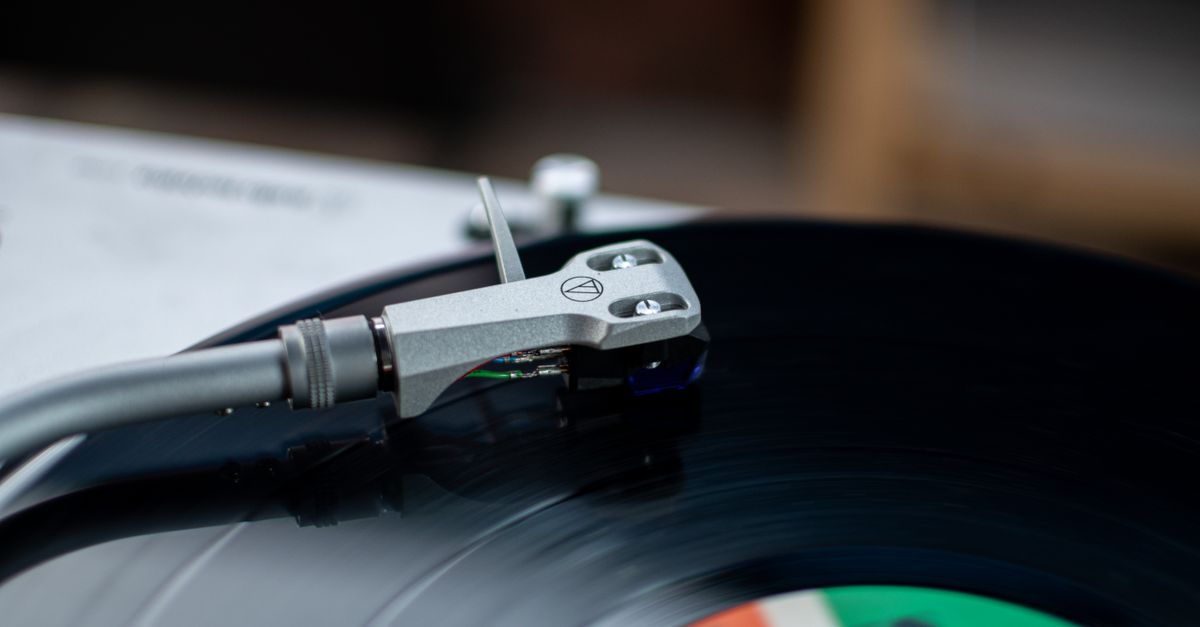
Picture this: You’re in a dimly lit, slightly dusty room. The air smells of aged paper and that distinct, warm scent of old plastic sleeves. Your fingers are tracing the spines of hundreds of cardboard jackets, pulling out a random one to reveal a glorious 12-inch disc of black vinyl. There’s a soft pop as you place the needle, followed by a crackle that feels like a warm hug for your ears before the music even starts.
This isn’t a flashback to 1975. This is last Saturday afternoon, and the person next to you at the listening station isn’t a boomer reliving their youth—it’s a 19-year-old in vintage jeans and chunky sneakers, meticulously flipping through the indie rock section. Welcome to the great vinyl revival, where the driving force isn't nostalgia, but a generation that wasn’t even alive for the format’s first heyday.

The Analog Antidote to a Digital Life
Let’s be honest, we’re drowning in the digital. Our music lives in invisible clouds, our social interactions are mediated by screens, and our attention spans are shredded by infinite scroll. For Gen Z, the first truly digital-native generation, this isn’t a shift—it’s the only reality they’ve ever known. So, why the sudden pivot to the physical, the cumbersome, the inconvenient?
I’ve found that it’s precisely that inconvenience that’s the appeal. Playing a vinyl record is a ritual. It forces you to be present. You can’t skip a track with a voice command. You have to get up, lift the tonearm, and carefully find the groove. This intentionality creates a sacred space for the album as a complete artistic statement, not just a backdrop to your day. In a world of algorithmic playlists that feel eerily impersonal, owning your music on vinyl is a radical act of curation and identity.
It’s Not (Just) About the Sound, It’s About the Stuff
Here’s what most people miss when they chalk this up to “hipster trends.” Yes, audiophiles will debate the warmth of analog sound until the cows come home. But for many young collectors, it’s as much about the tactile experience as the audio fidelity.
A streaming service icon is just… an icon. A record is an artifact. It’s the large-format artwork you can actually see. It’s the lyric sheet you can hold. It’s the hidden messages etched into the run-out groove. It’s a physical piece of the artist’s world you can own. In an economy increasingly based on access over ownership (think Spotify subscriptions, Netflix, cloud storage), vinyl records represent tangible ownership. You’re not renting the music; you’re holding a piece of it. That matters.

The Thrill of the Hunt and the Community Cachet
Scrolling and clicking “Add to Playlist” is efficient. It’s also soul-crushingly boring. The record store comeback has thrived on the opposite: the thrill of the hunt. Digging through crates, finding that rare press of your favorite album, or stumbling upon a weird, wonderful record you’d never find via an algorithm—it’s a dopamine hit that’s earned.
Furthermore, record stores have become third places for Gen Z: not home, not school/work, but a vital community hub. It’s a place to get recommendations from a knowledgeable clerk, to chat with someone about a band shirt they’re wearing, or to attend an in-store performance. This social, IRL component is priceless in an age of digital isolation. Your Spotify Wrapped is a private data point; your record collection on display at home is a conversation starter.
The Aesthetic is Everything (And That’s Okay)
We have to address the elephant in the room: vinyl is cool. It’s visually compelling. A vinyl record spinning on a turntable is the ultimate aesthetic flex for a TikTok video or an Instagram story. The record player has become a central piece of room decor, a symbol of personal taste. Brands like Urban Outfitters selling cheap, suitcase-style players might make purists cringe, but they’re a gateway drug. They lower the barrier to entry, and many who start there soon graduate to a real setup.
This isn’t superficial—it’s about integrating passion into your environment. Your music isn’t just in your ears; it’s a part of your space.

What This Means for the Future of Music
This movement is more than a fad; it’s reshaping the industry. Artists now routinely release new albums on vinyl, often with exclusive color variants or bonus tracks to incentivize the purchase. Record Store Day, once a niche event, is now a major retail holiday that drives lines around the block. Labels are pressing more vinyl than they have in decades, creating massive backlogs because the demand is so high.
The lesson is clear: people, especially young people, crave a deeper connection to the art they love. They are willing to pay for an experience, for beauty, and for a sense of permanence. The success of vinyl sends a powerful message in the age of streaming: Music is more than just data.
So, next time you walk past a record shop, pop in. You might just find that the crackle of the past holds the key to feeling more connected in the present. Who knows? You might even leave with a new old favorite.