
Ever found yourself shoulder-to-shoulder with a selfie stick in a cobblestone alley, wondering if this is really what “authentic travel” feels like? I have. After one too many trips where the highlight reel felt identical to everyone else’s, I started hunting for places that hadn’t been hashtagged into oblivion. Places where the pace is set by the local gossip, not a tour guide’s flag.
That’s the magic of Europe’s underrated villages. They’re the quiet, character-filled cousins to the bustling capitals. They’re where you’ll find the soul of a region, unhurried and unpolished for mass consumption. So, let’s ditch the crowded plazas and predictable itineraries. Here are five stunning European villages where you can still have a genuine, crowd-free adventure.
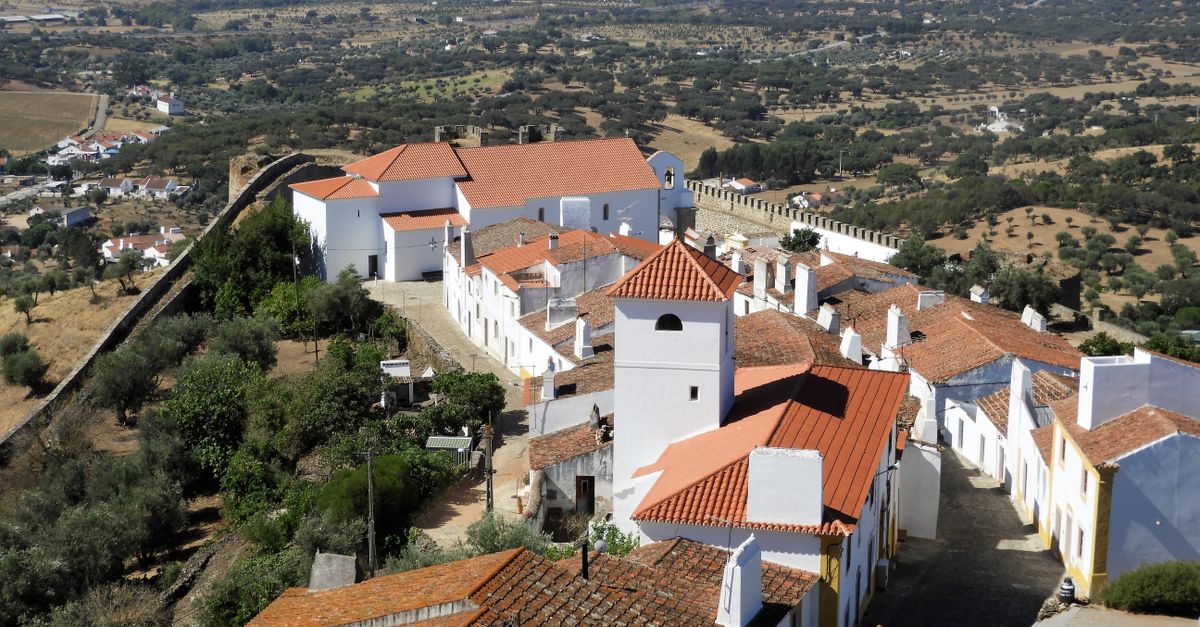
The Cliffside Rainbow of Portugal’s Alentejo
Most people beeline for the Algarve or Porto, completely bypassing the sun-drenched, cork-strewn plains of the Alentejo region. And that’s their first mistake. Perched on a dramatic cliff overlooking the Ocreza River, Monsanto isn’t just a village; it’s a geological marvel. They don’t call it “the most Portuguese village in Portugal” for nothing.
Here’s what most people miss: the houses aren’t just built on the boulders; they’re built with and around them. You’ll see granite slabs forming walls, roofs, and even doorsteps. Wandering its steep, labyrinthine paths feels like exploring a real-life fairytale gnome village. I’ve found that the best experience is to get utterly lost, eventually popping out at the ruined castle at the top for a view that stretches to the Spanish border. The silence up there, broken only by the wind and distant cowbells, is a potent antidote to modern life.
Where Slovenia’s Alps Meet Its Wine Country
Lake Bled gets all the glory. But just a short drive into the Julian Alps, nestled in a picture-perfect glacial valley, is Škofja Loka. This is the Slovenia of storybooks, without the day-trip crowds. The name means “Bishop’s Meadow,” and its serene beauty is anchored by a stunning medieval castle, a cobbled main square, and a crystal-clear river crossed by ancient stone bridges.
Let’s be honest, a huge part of travel is the food, right? Škofja Loka delivers. You’re in the heart of Slovenia’s farm-to-table culture. After exploring the castle museum, grab a table at a gostilna (a traditional inn) for škofjeloški kruhni žilček—a unique local blood sausage. Pair it with a glass of crisp Slovenian wine from a nearby vineyard. The beauty of an underrated village like this is the accessibility; the chef might just be the one who also serves you, happy to explain every ingredient.

France’s Forgotten Fortress in the Sky
Everyone knows the lavender fields of Provence. But head north into the lesser-trodden Dordogne, and you’ll find villages that seem suspended in time. La Roque-Gageac is the showstopper. It’s not just a pretty face; it’s an entire village built into a sheer limestone cliff face, hugging the banks of the Dordogne River.
The vibe here is pure, tranquil magic. You can explore tropical gardens nestled in microclimates created by the cliffs, then paddle a canoe on the river for the ultimate view of its golden-stone houses. The key is to stay overnight. When the last tour bus leaves, you’ll have the murmuring river and the rustling of the cliffside greenery all to yourself. It’s the kind of place that makes you want to buy a stone cottage and write a novel (or at least pretend to for a week).
Italy’s Secret Culinary Island (That Isn’t Capri)
Sicily? Over-touristed. The Amalfi Coast? Packed. For a truly offbeat Italian escape, set your sights on Procida. This tiny island in the Bay of Naples is the colorful, chaotic, and utterly authentic sibling to its famous neighbors, Ischia and Capri. It was Italy’s Capital of Culture for 2022, but it’s managed to retain its gritty, working-fishing-port soul.
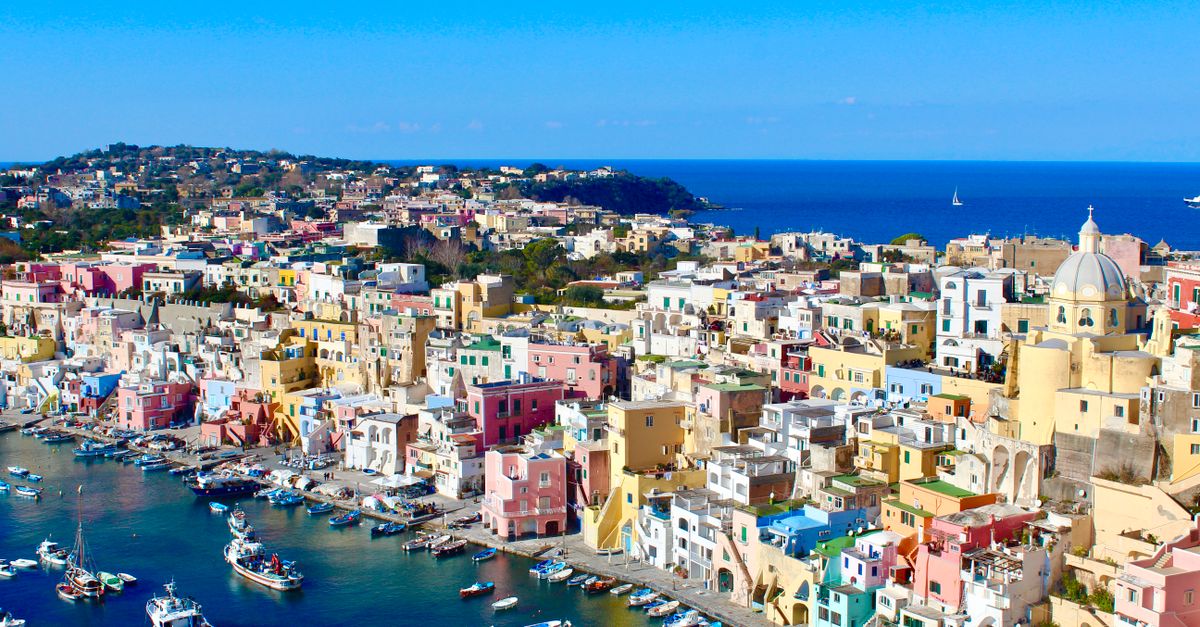
The colorful harborside villages of Marina Corricella and Marina di Chiaiolella are a photographer’s dream, but the real joy is in the rhythm of life. There are no international luxury brands here—just family-run trattorias serving the day’s catch, elderly men mending nets, and the scent of lemon groves everywhere. Rent a scooter, circle the entire island in an hour, and find your own secluded cove. You’ll feel like you’ve cracked the Italian code.
The Timbered Fairytale Deep in Germany’s Heart
The Romantic Road gets crowded. To find a German village that feels plucked from the pages of the Brothers Grimm, you need to go deeper. Enter Monschau, tucked in the rugged Eifel region near the Belgian border. This isn’t a reconstructed old town; it’s the real, perfectly preserved deal. Half-timbered houses with slate roofs crowd along the rushing Rur River, and the air smells of woodsmoke and Printen (a local spiced biscuit).
The magic here is seasonal. Come in winter, and it’s a snow-globe scene with a charming Christmas market. Visit in summer, and you can hike into the surrounding hills for breathtaking views of the village nestled in the valley. It’s compact, walkable, and feels a world away from the well-trodden tourist trails of southern Germany. It’s proof that some of Europe’s best hidden gems are found when you turn off the famous “routes” and follow a smaller river instead.
So, what’s the payoff for seeking out these under-the-radar spots? It’s more than just a clean photo. It’s the conversation with a shopkeeper who isn’t exhausted by the tenth busload of visitors. It’s the freedom to wander without a map. It’s the quiet moment that belongs entirely to you. Europe’s soul isn’t found in its most famous squares; it’s whispered in the narrow lanes of its forgotten villages. The question is, are you ready to listen?