
Remember that gut-wrenching feeling? Your team is down by one, fourth down, two yards to go with the clock ticking down. The coach calls a timeout. For decades, what happened next was pure instinct, a veteran coach’s gut feeling forged in a thousand past battles. Today, that coach is almost certainly looking at a tablet, not his gut. He’s seeing a probability model, a heat map of the defense’s tendencies, and a real-time calculation that a run up the middle has a 63% success rate versus a 58% chance on a quick slant. The game hasn’t changed, but the playbook is now powered by petabytes.
This is the data revolution in sports, and it’s not just about nerds in a back room. It’s transforming everything from how a rookie is developed to how you, sitting on your couch, experience the drama. We’ve moved far beyond simple batting averages or completion percentages. We’re in the era of cognitive analytics, biomechanical tracking, and predictive fan engagement. Let’s be honest, the Moneyball era was just the opening act.

From Gut Feel to Algorithmic Instinct
Coaching used to be an art form whispered in locker rooms and drawn on chalkboards. Today, it’s a science visualized on high-definition dashboards. I’ve found that the biggest shift is in in-game decision making. Take basketball: teams now track "expected points per possession" based on the shooter, the defender’s location, and even the time on the shot clock. That mid-range jumper your favorite player loves? The data might scream it’s a losing bet compared to driving for a layup or kicking out for a three. Coaches aren’t robots—they still need feel—but they’re now armed with a depth of insight that makes their intuition sharper, more evidence-based.
Here’s what most people miss: it’s not about replacing the coach; it’s about augmenting human expertise. The data analyst’s role is to translate numbers into a competitive narrative. "Player X is 40% less effective when defending after three consecutive trips down the court." That’s an actionable insight, a trigger for a substitution that a coach, in the heat of the moment, might not have registered.
The Athlete as a Data Point: Performance Optimization Unleashed
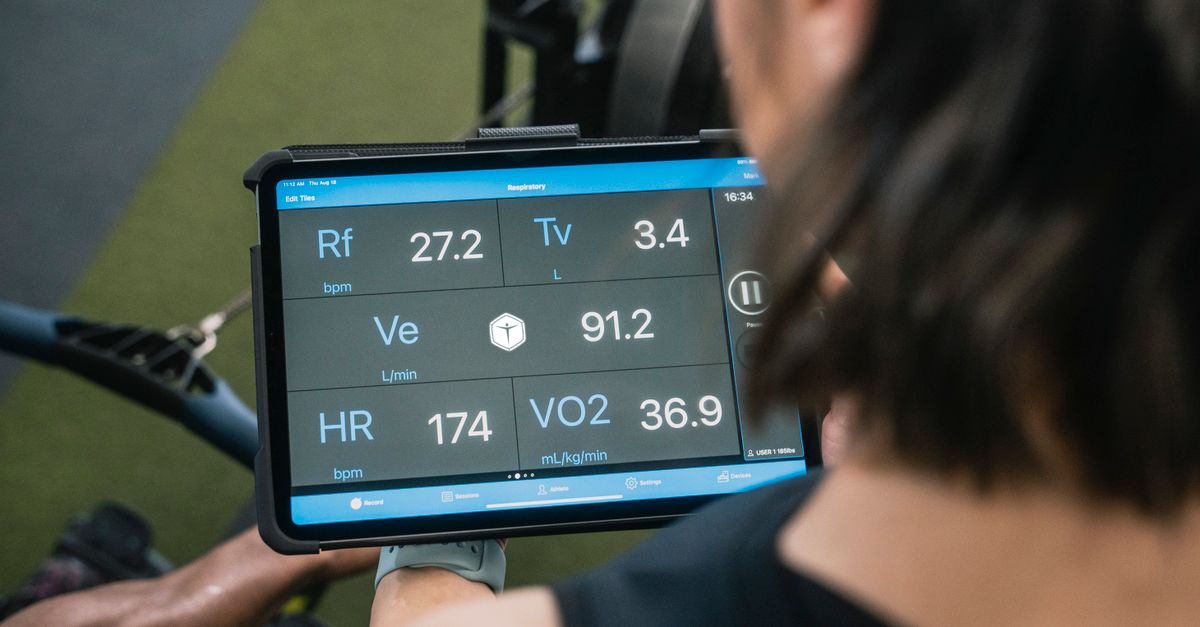
Forget generic training regimens. Today’s athletes are walking data generators. Wearable GPS trackers, smart fabrics, and high-speed cameras capture everything: Load management: Precise tracking of exertion to prevent injury and optimize peak performance for game day. Biomechanical breakdown: Using sensor data to tweak a pitcher’s arm angle or a golfer’s swing path for marginal—and championship-winning—gains. Recovery analytics: Monitoring sleep patterns, heart rate variability, and even nutrition through apps to personalize recovery protocols.
This hyper-personalization is revolutionizing player development. A young soccer prospect isn’t just told to "get better at passing." He’s shown data on his pass completion rate under pressure versus in space, the optimal weight of his through-balls, and how his decision-making speed compares to elite professionals. It turns abstract coaching into targeted, measurable improvement.
Beyond the Scoreboard: A New Era of Fan Engagement
This is where it gets personal for you and me. Sports analytics isn’t locked in the locker room; it’s spilling directly into our living rooms and onto our phones. Broadcasts are now littered with advanced stats: a quarterback’s completion percentage against the blitz, a basketball player’s defensive rating, a baseball’s spin rate and expected batting average. We’re no longer passive viewers; we’re amateur analysts.
Fantasy sports and sports betting (where legal) have been turbocharged by this data deluge. Picking a lineup isn’t about name recognition anymore; it’s about diving into matchup analytics, weather data’s impact on a passing game, or a pitcher’s historical performance in cold weather. But it goes deeper: Second-screen experiences: Apps that let you choose camera angles, access real-time stats overlays, or even listen to alternative commentary tracks. Predictive entertainment: Platforms offering live win-probability models, like the famous "Win Probability Added" graphs that make every play feel like a seismic shift. Personalized content: Algorithms serving you highlights of your favorite player’s defensive stops, not just their goals.
The fan is becoming a participant in the analytical story of the game.
The Human Element: What Data Can't Measure
Now, for the crucial counterpoint. Data is a tool, not a oracle. It can’t measure heart, chemistry, or the intangible clutch gene. It can’t quantify the leadership in a huddle or the raw, emotional momentum shift after a spectacular, against-the-odds play. The revolution’s greatest challenge is integrating the numbers with the unquantifiable soul of sport.
A coach might see a 55% success rate for a play and still call it because he sees a look in his quarterback’s eyes, a slight fatigue in a linebacker’s stance that the camera hasn’t flagged. The magic happens in the marriage of the two. The teams that will dominate this new era won’t be the ones with the most data scientists, but the ones who best fuse that analytical firepower with timeless coaching wisdom and player psychology.

The Future Field: What's Next in Sports Analytics?
So where does this go? We’re already glimpsing the next frontier:
- AI-Powered Strategy: Machine learning models that don’t just report data but suggest entirely novel strategies or plays based on opponent tendencies.
- Computer Vision Officiating: The rise of systems like VAR and Hawk-Eye is just the start. Fully automated, real-time offside calls and strike zones are inevitable, for better or worse.
- Immersive Fan Data: Imagine VR experiences where you can access live stats by looking at a player, or AR overlays in the stadium showing a receiver’s route tree as he runs it.
The final whistle hasn’t blown on this revolution; we’re still in the first quarter. The data is reshaping the games we love, not by removing their heart, but by revealing layers of complexity and competition we never knew existed. It asks us to be smarter fans and demands that athletes and coaches be more precise. The question isn’t whether you embrace it, but how deeply you want to dive into the numbers behind the glory.
So, the next time you see that coach glance at a tablet, know this: he’s not checking his email. He’s reading the secret language of the game, and now, you can too.