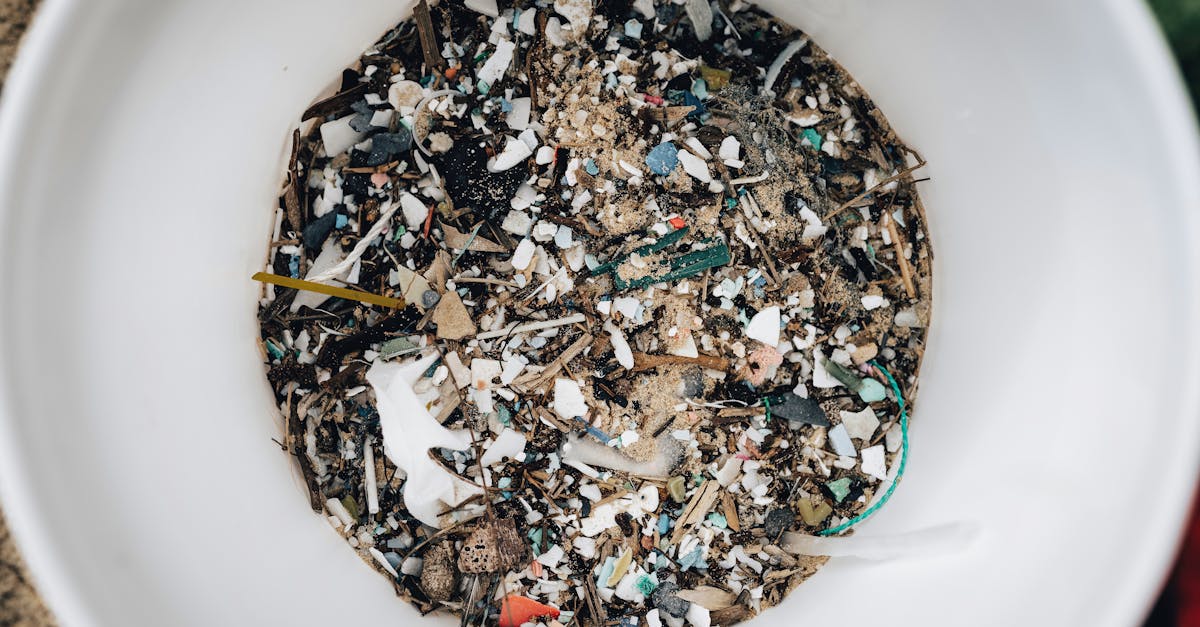
Let’s be brutally honest for a second: we’ve been sold a lie about plastic. We were told it was inert, harmless, and the ultimate symbol of convenience. We sorted our recycling, patted ourselves on the back, and figured the problem was “out there” in the oceans and landfills. But the most shocking plastic pollution isn’t in a turtle’s stomach—it’s in your blood, your brain, and the deepest tissues of your body. And new science is revealing it’s not just sitting there politely.
I used to think of microplastics as an environmental tragedy, a sad story about seabirds. I never truly connected it to my own morning coffee, my synthetic workout clothes, or the dust settling on my dinner plate. But the research has become impossible to ignore. We are no longer just using plastic; we are, in a very real sense, becoming plastic. And our bodies are starting to send us the bill.
The Invisible Invasion: How Plastic Became a Part of Us
So, how did this happen? It’s a stealth operation. Microplastics (pieces smaller than 5mm) and their even tinier cousins, nanoplastics, are shedding from everything. That fleece jacket? It sheds fibers in the wash that bypass treatment plants. That takeout container? It leaches particles when heated. Car tires? A major source of plastic dust on roads. They’re in the air we breathe, the water we drink, and the food we eat.
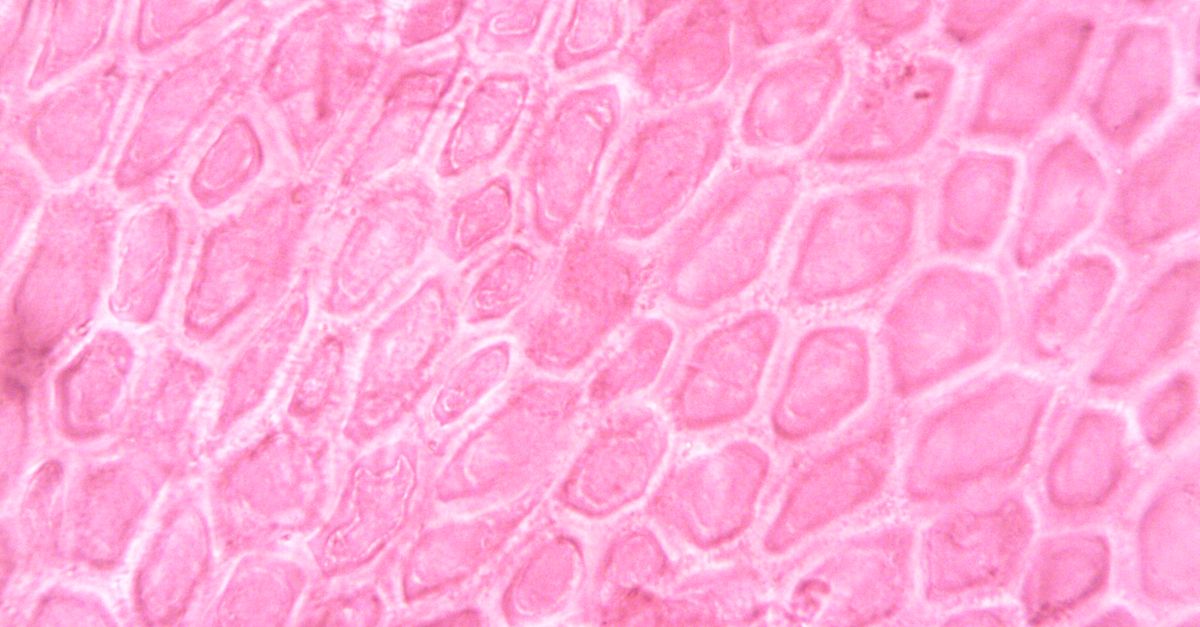
Here’s what most people miss: it’s not just about ingestion. A groundbreaking 2022 study found microplastics in human blood for the first time. Think about that. These particles are small enough to travel in our circulatory system, our life’s highway. Later research has found them in human lungs, placentas, and even breast milk. The barrier between “the environment” and “us” has completely collapsed.
Your Body on Plastic: The Emerging Health Alarm Bells
This is where the science gets urgent—and unsettling. Researchers aren’t just finding plastic; they’re starting to understand what it’s doing. Plastic isn’t biologically friendly. It’s a foreign object, often coated with a cocktail of chemical additives (like phthalates and BPA) used to make it flexible or durable.
The emerging impacts are focusing on three key areas:
- Chronic Inflammation & Cellular Chaos: Your immune system recognizes these particles as invaders. It launches a response, leading to chronic, low-grade inflammation—the root driver of countless modern diseases, from diabetes to heart conditions. At a cellular level, nanoplastics can cause oxidative stress, damaging our very machinery.
- Endocrine Disruption: This is a huge one. Many plastic additives are known endocrine disruptors. They mimic or interfere with our hormones. We’re talking potential links to reduced fertility, changes in fetal development, and altered metabolic function. Your plastic water bottle might be whispering false signals to your hormones.
- Gut Health Under Siege: Your gut microbiome is a delicate ecosystem. Early studies suggest microplastics can alter its composition, favoring harmful bacteria over beneficial ones. Given that gut health is linked to everything from immunity to mental health, this is a profound concern.
Beyond the Bottle: Surprising Sources You’re Breathing and Eating
Okay, so we know plastic bottles are bad. But if you think swapping to a reusable bottle solves it, you’re only seeing the tip of the iceberg. Let’s look at the stealth offenders.
Synthetic Textiles: Every time you wash polyester, nylon, or acrylic, you’re releasing hundreds of thousands of microfibers. They flow right out to rivers and oceans, cycle into the air, and come back to us. Household Dust: A significant portion of the dust in your home is microplastic from carpets, furniture, and electronics degrading. You are vacuuming it up, but you’re also breathing it in. Tea Bags & Food Packaging: Many premium plastic tea bags release billions of nanoplastics per cup when steeped in hot water. And that shiny lining in your aluminum can or paper takeout box? Often plastic. Car Tires: Tire wear is a monstrous, under-discussed source of microplastics. It washes into waterways with rain and gets kicked up as airborne particles.
The Hopeful Frontier: Science-Based Solutions We Can Start Today
This isn’t a doom spiral. This is a wake-up call. The inspiring part? The same human ingenuity that created this problem is now racing to solve it. The solutions exist at two levels: systemic and personal.
On the macro scale, we need: True Circular Economy Policies: Not just recycling, but designing products for longevity, repairability, and actual recyclability from the start. Innovative Filtration: Mandating advanced filters on washing machines and at water treatment plants to catch microfibers and particles. Biomaterial Revolution: Supporting the boom in plant-based, biodegradable alternatives for packaging and textiles.
But what can you do today? A lot, actually. Don’t underestimate the power of your daily choices.
Embrace Natural Fibers: Choose cotton, wool, linen, and hemp for clothing and bedding. Wash synthetics less often and use a Guppyfriend or Cora Ball to catch fibers. Ditch Single-Use & Heat Wisely: Never microwave food in plastic. Avoid plastic-wrapped produce. Carry your own containers. Filter Your Water: A good quality carbon filter can reduce some microplastics in your drinking water.
- Vote With Your Wallet & Your Voice: Support companies using minimal, plastic-free packaging. Advocate for stronger legislation on plastic production and pollution.

We Are the Experiment. Let's Change the Outcome.
I’ve found that the most paralyzing facts can also be the most motivating. Knowing that plastic is inside us feels violating. But it also makes the problem undeniably personal. This isn’t a distant environmental issue; it’s a public health imperative.
We are the first generation to have this level of plastic saturation in our biology. We are, in essence, the living experiment. But we don’t have to be passive subjects. We can be the generation that demanded the data, understood the consequences, and pioneered the way out.
The goal isn’t perfection—it’s impossible to be perfectly plastic-free in our modern world. The goal is conscious reduction. Every plastic item you refuse, every natural fiber you choose, every time you speak up, you’re casting a vote for a different future. You’re not just cleaning the ocean; you’re cleansing your own cells. What could be more personal, or more powerful, than that?