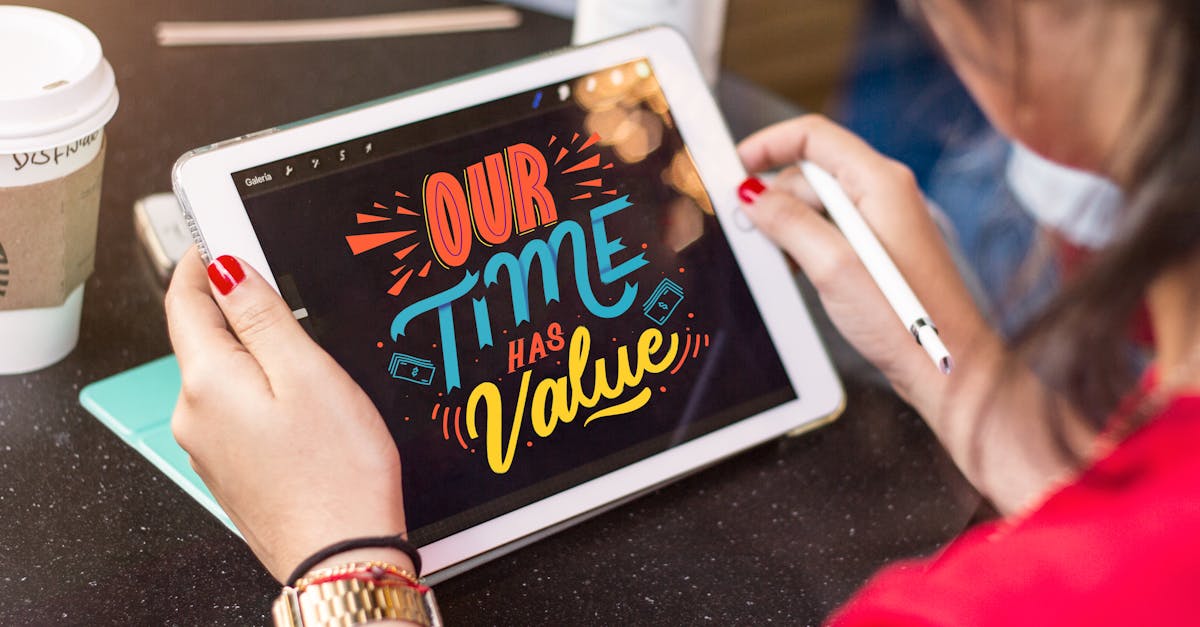
Remember that blissful, disconnected week I spent in a cabin last fall? No notifications, no endless scrolling, just me, some books, and an alarming amount of bird-watching. I returned feeling… awful. Not refreshed, but strangely untethered, my mind racing with a low-grade panic about all I’d missed. My much-hyped digital detox felt less like a reset and more like I’d accidentally unplugged my own brain.
Turns out, I’m not alone. We’ve been sold this idea that stepping away from our screens is the ultimate panacea for modern anxiety. But what if, for some of us, that very act of disconnection is fueling the fire? Let’s be honest, the pressure to detox can feel like just another item on the wellness to-do list, right between “drink more celery juice” and “manifest your dream life.”

The Withdrawal Myth: It’s Not Just About Cravings
When we think of detoxing, we picture withdrawal symptoms—the jitters, the compulsive phone-checking with a device that’s not there. We blame the platforms themselves for being addictive (and they are expertly designed to be). But science suggests the anxiety isn't solely about missing out on dopamine hits from likes.
It’s about context collapse and severed social threads. Our online lives aren't a separate, fake universe anymore; they’re the digital town square, the family group chat, the project management hub. Abruptly leaving that space doesn’t just mean missing memes. It can mean missing the announcement about a changed meeting time, the photo of a friend’s newborn, or the support from your community during a personal crisis. That anxiety you feel? It might not be addiction; it might be a rational fear of social and professional exclusion.
The Control Paradox: Rigid Rules vs. Fluid Balance
Here’s what most people miss: the all-or-nothing approach of a strict digital detox often replaces one form of stress with another. You’ve swapped the anxiety of being online with the anxiety of enforcing your offline status. The mental load of “I must not check” can be more exhausting than a quick, intentional check-in.
A study from the University of Copenhagen even coined the term “Facebook abstinence” for their research, where they found that people who took a week-long break from the platform reported lower levels of life satisfaction. Why? Because they were cut off from that social ecosystem. It wasn't the platform itself causing harm in that instance, but the sudden removal of a social tool. The detox became a source of FOMO (fear of missing out) and alienation, not freedom.

Intentionality Over Abstinence: The "Digital Diet" Mindset
So, does this mean we’re doomed to be forever-scrolling zombies? Absolutely not. It means the blanket term “detox” is probably the wrong prescription. Think of it less like a harsh cleanse and more like adopting a sustainable nutritional diet. You wouldn’t swear off all food for a week, right? You’d learn what nourishes you and what just fills you with empty calories.
The goal shifts from total elimination to conscious curation. The science of well-being points to intentionality as the key. Anxiety spikes when we use our devices passively and compulsively. It often decreases when we use them actively and purposefully.
Ask yourself: What is my purpose for picking up this device right now? (To call my mom, to find a recipe, to mindlessly numb my brain for 20 minutes?) Which apps feel like nourishing conversations, and which feel like shouting into a void?
- When does being online serve my real-life goals, and when does it sabotage them?
Your Personalized Reboot: A Practical Framework
Forget the rigid 7-day detox challenge. Let’s build something that doesn’t make you secretly count down the hours until it’s over. Here’s a more flexible, less anxiety-inducing framework:
- Audit Your Anxiety Triggers. For one normal day, don’t change a thing. Just notice. Does a specific app (hello, doomscrolling on news apps) leave you tense? Do Slack notifications make your heart race? Does seeing certain people’s curated lives ignite a feeling of lack? Your detox shouldn’t be universal; it should be surgical. Mute, unfollow, or delete the specific sources of stress.
- Create "Connected Sanctuaries." Instead of vowing “no phones at dinner,” try “phones in a basket for the first 30 minutes of dinner.” Designate small, sacred spaces of connection: the first coffee in the morning, the walk around the block, the bedtime routine. Protect these fiercely with a physical boundary (like another room) rather than just willpower.
- Schedule Your "Input" and "Output." This changed everything for me. I now have windows for consumption (checking news, social feeds, emails) and windows for creation (writing, messaging friends, engaging in meaningful comments). It transforms the digital space from a passive drip-feed of anxiety into an active tool. The rest of the time? Do Not Disturb is your best friend.

The Real Goal Isn't Silence, It's Agency
The shocking truth the science reveals is that a poorly executed digital detox can amplify anxiety by making you feel powerless—first to the tech, and then to the strict rules you imposed to escape it.
The real victory isn’t a silent phone. It’s the feeling of agency. It’s picking up your device with purpose, and putting it down without a pang of guilt or a flutter of fear. It’s knowing that you are directing your attention, not having it hijacked.
So, maybe it’s time we retire the guilt-laden language of “detox.” Maybe we’re not toxic. Maybe we’re just navigating an incredibly complex new world without a great map. The aim isn’t to live offline, but to build an online life that feels as intentional, kind, and connected as the one we strive for in person.
What’s one tiny, non-intimidating boundary you could set with your devices today that would create a pocket of peace, without the panic of missing out?