
Remember that time I tried to “fix” my gut by eating an entire container of Greek yogurt every day for a month? I figured if some probiotics were good, a tidal wave must be better. The result? Let’s just say my digestive system staged a rebellion worthy of its own documentary. It was a classic case of good intentions, bad strategy.
We’ve all heard the basics: eat more fiber, take a probiotic, avoid processed foods. Solid advice, but it’s just the tip of the microbial iceberg. If you feel like you’ve hit a plateau with your gut health journey, or the standard advice isn’t moving the needle, you’re not imagining things. The science of the microbiome is evolving rapidly, and some of the most impactful strategies are the ones nobody’s talking about at the smoothie bar.
Let’s be honest, most gut health hacks are painfully obvious. Today, we’re diving deeper. Here are five science-backed, genuinely under-the-radar strategies to cultivate a thriving inner ecosystem.

Hack #1: Don’t Just Eat Fiber – Diversify Your Fiber Portfolio
You know you need fiber. But here’s what most people miss: your gut microbes are like picky, specialized eaters. Feeding them only one or two types of fiber (say, just from oats and broccoli) is like only ever playing one song for an orchestra. You’re not getting the full symphony.
The goal is microbial diversity, and that comes from plant diversity. A landmark study emphasized that people who eat over 30 different plant-based foods per week have a significantly more diverse gut microbiome than those eating 10 or fewer. We’re not talking 30 different meals—we’re talking individual plant ingredients: nuts, seeds, herbs, spices, grains, vegetables, fruits, and legumes.
My strategy? I keep a mental “plant point” tally. A salad with spinach, romaine, red cabbage, carrots, sunflower seeds, and chickpeas? That’s 6 points right there. A sprinkle of flax on my yogurt, basil in my sauce, and a handful of berries for dessert adds up quickly. It shifts the focus from quantity to variety, and honestly, it makes eating more fun.
Hack #2: Embrace the Power of “Fast” (Intermittent Fasting for Your Gut)
This isn’t about weight loss; it’s about housekeeping. Your gut microbes have a circadian rhythm too. When you’re in a constant state of digestion (hello, late-night snacks), you’re not giving the migratory motor complex (MMC)—your gut’s natural cleaning wave—a chance to do its job.
Research suggests that periods of fasting, even the natural overnight fast between dinner and breakfast, can help reset gut bacteria and reduce inflammation. It allows for microbial rest and repair. Think of it as giving your gut a break from the constant influx of food so it can tidy up, repair the lining, and rebalance populations.
I’ve found that a consistent 12-14 hour overnight fast (e.g., finishing dinner at 7 PM and not eating until 7-9 AM) has done more for my bloating and regularity than any supplement. It’s not extreme; it’s just honoring a natural physiological rhythm we’ve bulldozed with modern eating habits.
Hack #3: Get a Little Dirty (The Soil-Based Organism Secret)
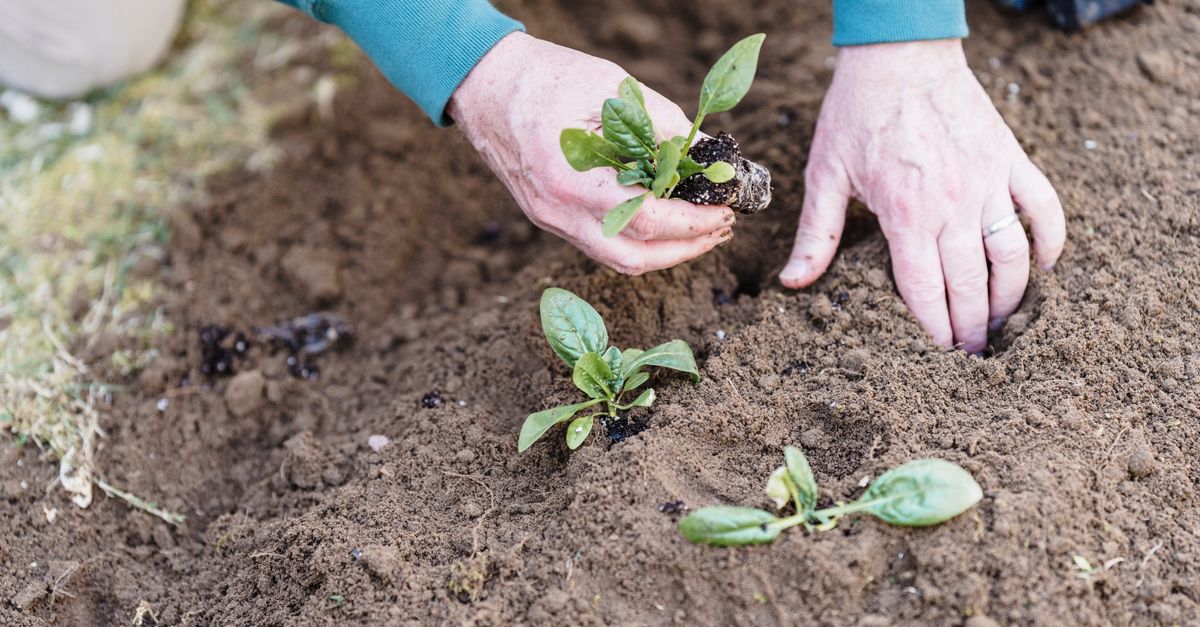
We’ve become terrified of dirt. And while we shouldn’t go eating off the floor, our sterile lifestyles mean we’re missing contact with soil-based organisms (SBOs). These are beneficial microbes found in healthy soil that, historically, we would have consumed in small amounts on our root vegetables and from our environment.
Emerging science points to SBOs as potent immune modulators and gut diversifiers. They’re different from the lactobacillus and bifidobacterium strains in your typical probiotic. How do you get them safely?
Choose organic, don’t over-peel, and wash lightly: That carrot from the farmers' market? Give it a gentle scrub instead of a surgical peel. Consider a garden: Even growing herbs in a pot connects you to soil. Look into spore-based probiotics: These are supplemental SBOs (like Bacillus strains) designed to survive stomach acid and act as “temporary residents” that can help crowd out bad bugs and improve gut barrier function. This is a more advanced supplement, so do your research.
Hack #4: Chew Your Way to Better Digestion
This sounds insultingly simple. But I promise you, you’re not doing it enough. Digestion begins in the mouth, not the stomach. Chewing mechanically breaks down food, but it also signals the stomach to produce acid and the pancreas to release enzymes. When you scarf down your food, you’re sending poorly processed, large particles into your gut. This can feed the wrong bacteria, leading to fermentation, gas, and bloating.
The hack is mindful eating. Put your fork down between bites. Aim for 20-30 chews per mouthful until the food is a liquid paste. It’s tedious at first, but it fundamentally changes the digestive process. You’ll likely eat less, feel more satisfied, and give your gut a much easier job. Your microbes will thank you for the pre-processed delivery.

Hack #5: Manage Stress with Your Gut in Mind (The Vagus Nerve Connection)
You can eat all the kimchi in the world, but if you’re chronically stressed, you’re sabotaging your gut health. Why? The gut-brain axis is a two-way street, heavily influenced by the vagus nerve—the main information superhighway between your brain and your gut. Stress signals from the brain can slow digestion, alter gut motility, and change the microbial environment.
The hack is to actively stimulate your vagus nerve to trigger the “rest and digest” parasympathetic state. This isn’t just “reduce stress” (vague and hard); it’s specific, actionable vagus nerve toning:
Deep, diaphragmatic breathing: 5-second inhale, 5-second exhale. This is the fastest way to hack your nervous system. Humming or singing: The vagus nerve runs through your vocal cords. Cold exposure: A splash of cold water on your face or a finishing cold shower.
- Gargling vigorously: Until your eyes water (seriously!).
So, there you have it. Move beyond just probiotics and fiber. Nourish microbial diversity, embrace natural fasting rhythms, reconnect with soil, chew like it’s your job, and hack your nervous system. Your gut isn’t just a digestive tube; it’s a living, breathing garden. Start tending to it with this new set of tools.
What’s the one hack from this list you’re most curious to try? Your unique microbiome is waiting for the experiment.