
Remember that time last winter when it seemed like every person in your office was sniffling, coughing, or calling in sick? But there was that one colleague—let’s call her Sarah—who breezed through the season untouched. She drank from the same office coffee pot, used the same elevator buttons, and yet, the germs just didn’t stick. You probably chalked it up to good genes or sheer luck. But what if I told you the real superhero wasn’t her willpower, but an entire universe living inside her gut?
We’ve been sold the story of immunity as a fortress. We pop vitamin C, slather on hand sanitizer, and try to avoid sneezes. But we’ve been defending the wrong castle. The true command center for your immune system isn’t in your spleen or bone marrow. It’s in your digestive tract. We’re in the midst of a microbiome revolution, and the science is clear: to fortify your defenses, you need to look inward—literally.

Your Gut is Not a Passive Tube (It's a War Room)
Let’s be honest, most of us think of our gut as a simple processing plant: food goes in, waste comes out. But that’s like calling the Pentagon a mailroom. Your gastrointestinal tract is the largest interface between your internal self and the external world. It’s where nutrients are absorbed, but it’s also where your body makes its first stand against invaders.
Seventy to eighty percent of your immune cells reside in the gut-associated lymphoid tissue (GALT). They’re stationed there for a reason. Trillions of bacteria, viruses, and fungi—your gut microbiome—live in a complex, bustling metropolis along your intestinal wall. This isn’t a passive tenant-landlord relationship. It’s a strategic partnership. Your gut bugs are in constant communication with your immune sentinels, training them to distinguish friend from foe.
The Training Ground: How Bugs Teach Your Body to Fight
Here’s what most people miss: your immune system isn’t born knowing what to attack. It needs an education. Think of your microbiome as the diverse set of training dummies and sparring partners for your immune army.
The "good" bacteria (like Lactobacillus and Bifidobacterium) do a few critical things: They crowd out the bad guys. By taking up physical space and resources, they leave less room for pathogenic bacteria to set up shop. They produce postbiotics. This is the secret sauce. As your gut bacteria ferment fiber, they produce short-chain fatty acids (SCFAs) like butyrate. These are powerful anti-inflammatory compounds that help regulate immune responses and even strengthen the gut lining itself.
- They sound the alarm. They constantly interact with immune cells, essentially showing them samples of "safe" microbes. This trains your body not to overreact to every little thing (like pollen or certain foods), which is at the root of allergies and autoimmune conditions.

The Modern Life Gut-Sabotage (And What to Do About It)
So why are so many of us walking around with dysfunctional gut ecosystems? Our modern lifestyle is practically a playbook for microbiome destruction.
We’ve traded fermented foods for ultra-processed ones. We’ve overused antibiotics (which, to be clear, are life-saving, but they act like a scorched-earth policy in your gut). We live in overly sanitized environments, lack sleep, and drown in chronic stress. I’ve found that stress is the silent killer of gut diversity. Your gut and brain are linked by the vagus nerve—a superhighway of communication. When you’re stressed, your gut feels it immediately, altering its environment and microbial population.
The good news? You can start rebuilding today. You don’t need expensive pills or crazy protocols. It’s about consistent, simple shifts.
Feeding Your Inner Army: A Practical Guide
Forget the idea of a single "superfood." The goal is diversity. Your microbes eat what you don’t: fiber. Different bacteria thrive on different fibers, so you need a variety.
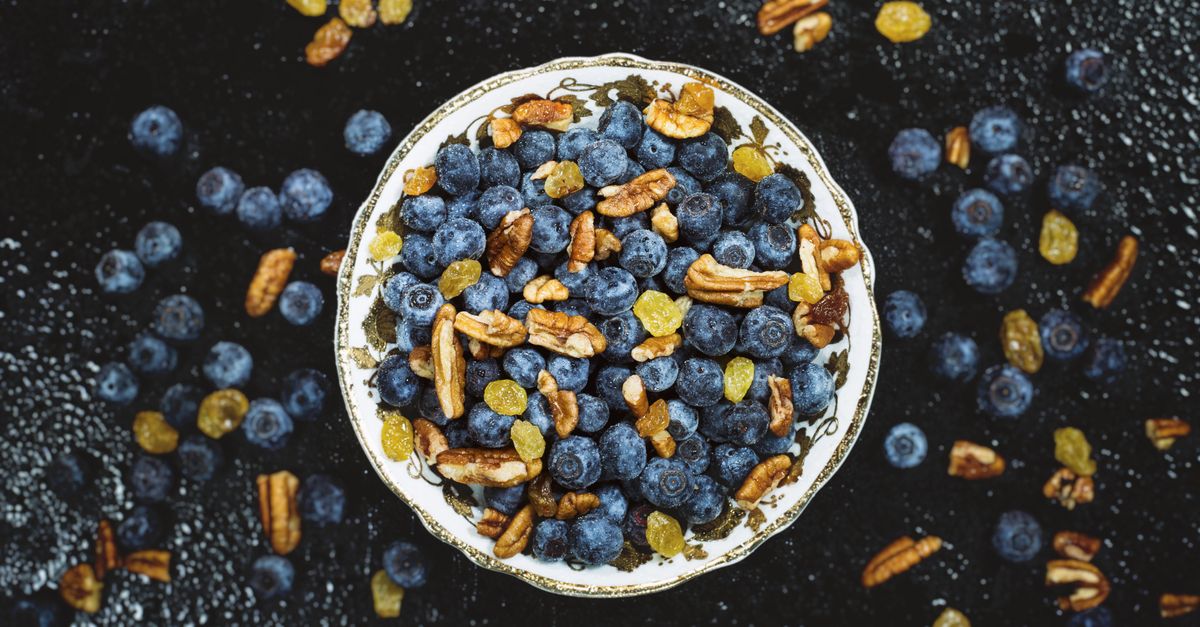
1. Embrace the Rainbow (of Plants): Aim for 30 different plant-based foods a week. This sounds wild, but it includes nuts, seeds, herbs, spices, grains, fruits, and veggies. Each offers unique fibers and polyphenols that feed specific bacterial families. 2. Make Friends with Ferments: Incorporate probiotic-rich foods like live yogurt, kefir, sauerkraut, kimchi, kombucha, and miso. You’re adding beneficial troops directly to your gut. 3. Seek Resistant Starches: These are prebiotic powerhouses. Find them in cooked-and-cooled potatoes or rice, oats, green bananas, and legumes. They resist digestion in the small intestine and become a feast for your microbes in the large intestine. 4. Think Twice About the Unnecessary Antibiotic: Have a frank talk with your doctor. If you have a viral infection, an antibiotic won’t help and will harm your gut. Always follow prescribed courses, but don’t demand them.
Beyond Colds: The Wider Immune Connection
This revolution isn’t just about catching fewer colds. The gut-immune axis is being linked to everything from mood disorders and anxiety (the "gut-brain axis") to autoimmune diseases like rheumatoid arthritis and chronic inflammation, the root of most modern illnesses. When your gut lining becomes permeable ("leaky gut"), partially digested food particles and bacterial fragments can escape into the bloodstream, causing systemic inflammation that your immune system is forced to fight 24/7.
We’re realizing that supporting the microbiome is foundational medicine. It’s not alternative; it’s central.
So, the next time you’re in a meeting surrounded by coughs, or you feel that first tickle in your throat, don’t just reach for the zinc. Look at your plate. Listen to your stress levels. Consider the trillions of tiny allies within you, waiting to be nourished. You are not just a human. You are a walking, talking ecosystem. And the health of that entire world is the true key to your resilience. Start tending your inner garden—your immune system will thank you for seasons to come.