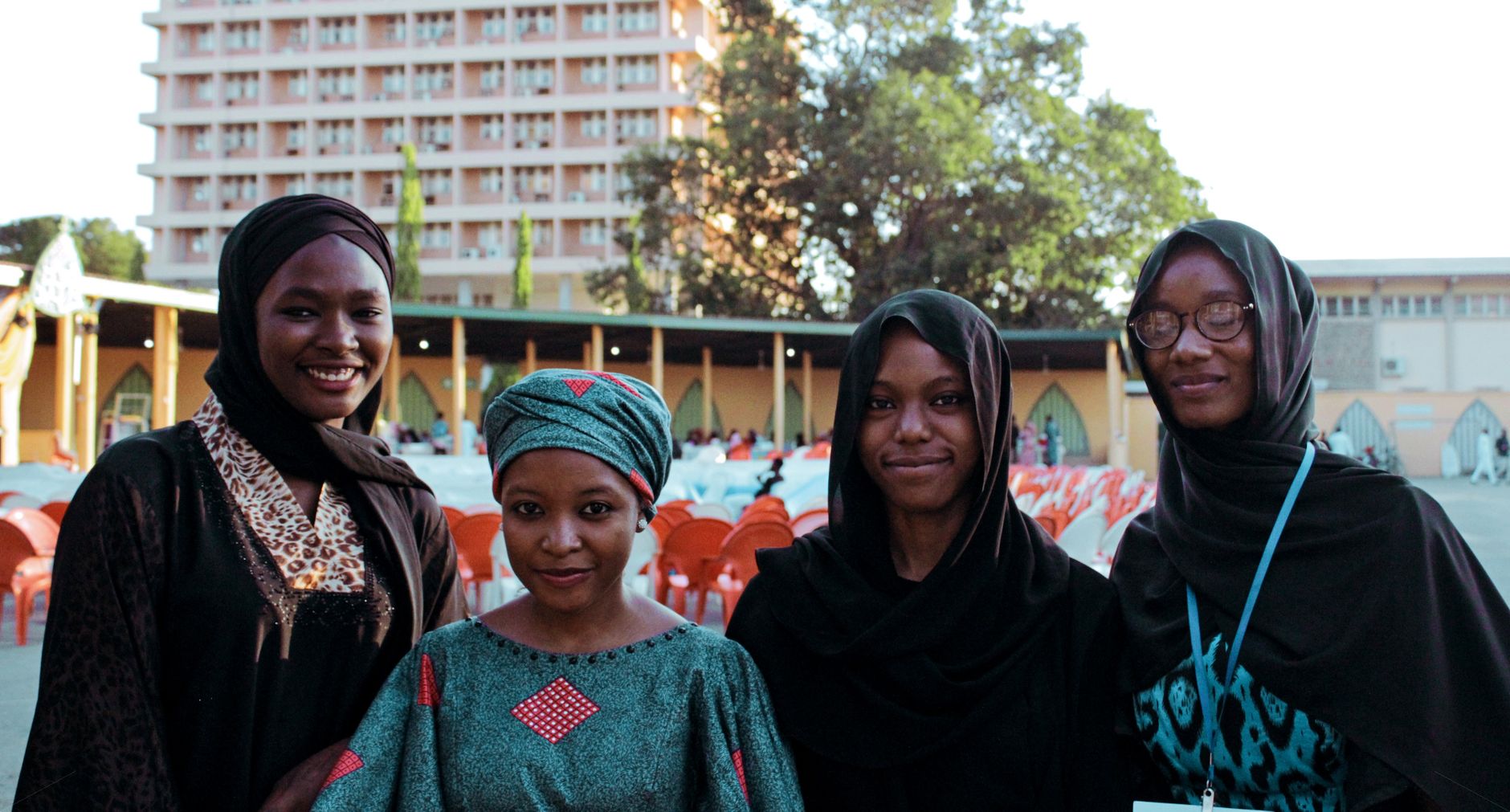

Nigerian Women of Strength: The Unbreakable Backbone of Homes and Communities

In the bustling markets of Lagos, the quiet classrooms of rural villages, and the vibrant family compounds across Nigeria, a quiet revolution of strength unfolds daily. It is not heralded by loud speeches or dramatic gestures, but by the steady, unwavering force of Nigerian women. They are the first to rise and the last to sleep, the planners of futures and the keepers of pasts. They are the architects of resilience, building not just homes, but the very fabric of communities through an unparalleled blend of wisdom, sacrifice, and an indomitable spirit. This is not merely a role; it is a legacy of strength passed down through generations, making them the true and unbreakable backbone of the nation.
This exploration delves into the multifaceted strength of Nigerian women, with a particular lens on education—both as a value they fiercely champion and as the arena where their influence shapes the future. We will journey from the heart of the home to the pulse of the community, celebrating their stories and understanding the source of their formidable power.
The Foundation: Strength Forged in the Home
The Nigerian home is the primary crucible where a woman's strength is both tested and manifested. Here, her role transcends the conventional; she is CEO, counselor, educator, healer, and spiritual anchor.
The Multifaceted Matriarch
A Nigerian woman's day often begins before dawn. She is the chief economist of the household, expertly stretching limited resources to meet infinite needs—school fees, food, clothing, and healthcare. This requires strategic acumen, often involving petty trading, skilled crafts, or farming to supplement family income. Her strength is economic resilience personified.
She is also the primary educator long before formal schooling begins. Through folklore, proverbs, and daily lessons, she instills core values: respect (ìwà pèlẹ̀), hard work (iṣẹ́ là ńṣe kí à ń jẹ kó tọ̀), and community responsibility. Her kitchen is a classroom for life skills, and her guidance shapes the moral compass of her children.
"The woman who builds her home is building the nation. Her patience is the mortar, her wisdom the bricks, and her love the roof that shelters us all." – A common Nigerian proverb.
Navigating Tradition and Modernity
The strength of the Nigerian woman is often displayed in her ability to navigate complex, sometimes conflicting, expectations. She upholds beautiful cultural traditions—language, cuisine, ceremonies—while simultaneously equipping her family for a globalized world. She advocates for her children's education, especially her daughters', often challenging generational norms to ensure they have opportunities she did not. This balancing act requires immense emotional intelligence and fortitude.
- Cultural Custodian: Preserving language, stories, and traditions.
- Modern Advocate: Pushing for education, health, and new opportunities.
- Bridge Builder: Connecting heritage with progress for the next generation.

Pillars of the Community: Strength in Action
Beyond the compound walls, the strength of Nigerian women radiates outward, forming the supportive pillars upon which communities stand. Their influence is both formal and organic, woven into the social and economic tapestry.
The Market Women: Economic Engines
From the massive Oyingbo market in Lagos to the smaller village stalls, women dominate Nigeria's informal trade sector. These "Nigerian Amazon" entrepreneurs are formidable forces. They manage complex supply chains, provide credit within community circles (esusu/ajo), and are often the first responders to community needs, funding local projects or assisting families in crisis. Their networks are powerful systems of mutual aid and economic stability.
Community Organizers and Peacemakers
Women are frequently the glue that holds communities together during strife. They form the backbone of religious groups, neighborhood associations, and development committees. Their approach to conflict is often rooted in dialogue and restoration rather than confrontation. In many communities, it is the women who lead reconciliation efforts, using their moral authority and deep community ties to heal divisions.
Guardians of Health and Well-being
As primary caregivers, women are the frontline of community health. They possess and share invaluable knowledge of traditional remedies, nutrition, and childcare. This role has expanded into formal and informal community health advocacy, where women educate others on sanitation, vaccination, and maternal health, directly impacting public health outcomes.
Education: The Torch They Carry and Pass On
Perhaps nowhere is the strength and foresight of Nigerian women more evident than in their relationship with education. They view it not as a luxury, but as the most powerful tool for liberation and advancement.
The Sacrifice for Schooling
The iconic image of a Nigerian mother selling goods by the roadside or farming tirelessly is often directly linked to a goal: "I must train my children." School fees are a sacred priority. Women will endure personal hardship, forgo comforts, and take on extra work to ensure their children—all their children—can attend school. This sacrifice is a profound investment in a future they are determined to build.
Educators and Mentors
Nigerian women are massively represented in the teaching profession, from nursery school to university levels. In often under-resourced environments, these female educators do more than teach curricula; they mentor, motivate, and mother their students. They see their role as molding character and unlocking potential, especially for girls, serving as living proof of what education can achieve.
Championing the Girl-Child
The fight for girls' education in Nigeria has been led by women. They confront barriers like early marriage, cultural biases, and economic pressures head-on. Mothers, aunts, teachers, and female community leaders advocate for keeping girls in school, understanding that "educating a girl educates a nation." Their advocacy creates a ripple effect, leading to healthier families, smaller family sizes, and greater economic participation.
- Breaking Cycles: Using education to break cycles of poverty and limitation.
- Creating Role Models: Female teachers and educated mothers inspire the next generation.
- Advocating for Policy: Pushing for safer schools and policies that support girls' education.
The Wellspring: Sources of Their Resilience
Where does this remarkable, sustained strength originate? It is drawn from deep, interconnected wells.
Spiritual Fortitude
For many Nigerian women, faith—whether Christian, Muslim, or traditional—is a cornerstone of resilience. It provides a framework for enduring hardship, a source of hope, and a community of support. Prayers, worship, and religious fellowship are vital tools for psychological and emotional sustenance.
The Sisterhood: Collective Strength
The concept of "Nwanyibuife" (woman is something precious/great) speaks to the collective power of women. They draw strength from networks of sisters, friends, mothers, and daughters. These circles provide emotional support, practical help (like childcare), financial assistance through esusu, and wise counsel. This sisterhood is a powerful defense against isolation and overwhelm.
Inherited Legacy
Today's Nigerian women stand on the shoulders of giants—their mothers, grandmothers, and ancestors who survived colonialism, civil war, economic upheaval, and personal trials. This is a strength passed down through stories and example, a legacy of endurance that says, "If she could do it, so can I."
Modern Expressions and Future Frontiers
The strength of the Nigerian woman is not static; it evolves. Today, it is expressed in boardrooms, tech hubs, political offices, and on global stages.
From Backbone to Leadership
Nigerian women are increasingly claiming visible leadership spaces:
- Corporate Leadership: Rising to executive positions in banking, law, and business.
- Tech Innovation: Founding startups and leading in STEM fields.
- Political Advocacy: Campaigning for representation and pushing for legislation on gender-based violence, maternal health, and economic inclusion.
The Double Burden and the Path Forward
This expansion of role comes with the challenge of the "double burden"—excelling in professional spheres while still carrying the primary responsibility for home and community. The modern Nigerian woman's strength is now also deployed in negotiating partnerships, advocating for shared domestic responsibility, and redefining gender roles within the family.
The path forward involves institutional support—affordable childcare, equitable policies, and access to capital—but also a continued celebration and leveraging of the innate resilience Nigerian women have always possessed.
Conclusion: Honoring the Pillars, Investing in the Future
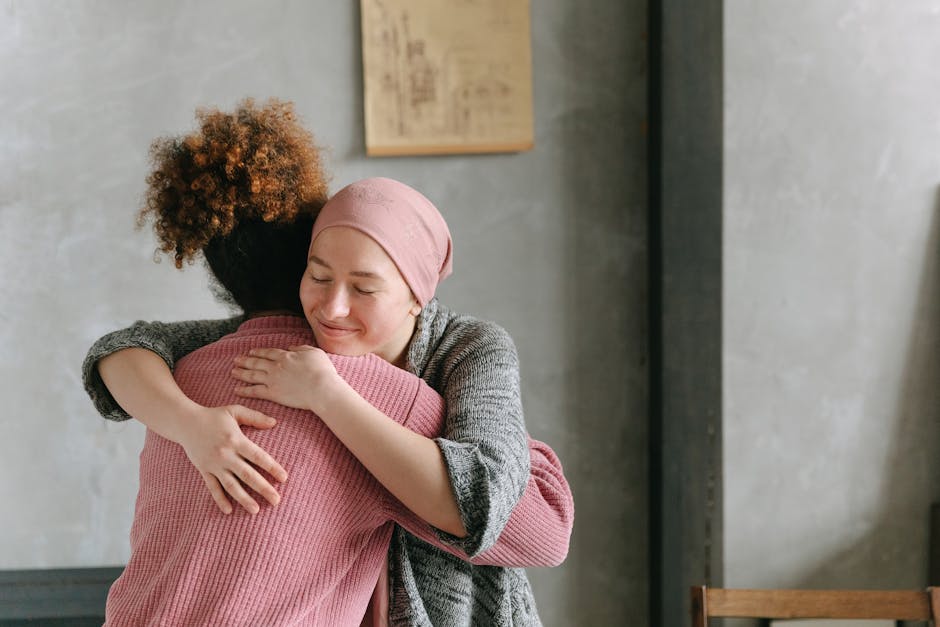
The story of Nigeria is, in countless ways, the story of its women. They are the steady hands that rock the cradle and shape the destiny of a nation. Their strength is the quiet, constant hum of progress—a force that nurtures, builds, educates, and endures.
To honor this backbone is not merely to offer praise. It is to actively invest in their continued empowerment. This means supporting the education of girls, creating economic opportunities for women entrepreneurs, ensuring representation in leadership, and valuing the unpaid labor that sustains society. It means listening to their wisdom and following their lead.
Their strength is our collective strength. When Nigerian women thrive, families thrive, communities stabilize, and the nation progresses. They have always carried the torch; it is time to ensure the path ahead is fully lit for them.
Call to Action: Let's turn appreciation into action. This week, consciously support a Nigerian woman's endeavor—mentor a girl, patronize a female-owned business, advocate for equitable policies in your sphere, or simply have a conversation that amplifies the stories of strength around you. Share this post to celebrate the Nigerian women in your life using #BackboneOfNaija. Their strength is the foundation; our support can help build the future they envision.





