
You know that feeling when you’re grinding through your to-do list, powered by cold brew and sheer will, yet somehow the day still gets away from you? I was there just last Tuesday. I’d checked off a dozen small tasks, my inbox was a pristine zero, and yet, the one big, meaningful project I’d blocked time for remained untouched. I felt busy, but not productive. There’s a crucial difference, isn’t there?
We’ve all consumed the standard productivity advice: time-blocking, the Pomodoro Technique, inbox zero. But what if the real keys to unlocking a more effective day aren’t in the hustle, but in the quiet, seemingly unrelated habits we’ve been cultivating—or neglecting? After tracking my own patterns and diving into the habits of remarkably focused people, I’ve found that the most potent productivity boosters are often the ones masquerading as something else entirely. Let’s be honest, sometimes the best way to move forward is to step sideways.
Here are five unexpected habits that are secretly engineering a more productive you in 2024.

The Strategic Power of Doing Absolutely Nothing
Our culture fetishizes busyness. An empty calendar slot feels like a moral failing. But here’s what most people miss: Strategic idleness is not laziness; it’s cognitive maintenance. When you schedule literal blocks of “nothing,” you’re giving your brain’s default mode network permission to activate. This is when subconscious connections are made, creative problems are untangled, and insights bubble up.
I’ve started implementing 15-minute “stare-at-the-wall” sessions. No phone, no podcast, no “productive” meditation app. Just me, a chair, and my wandering mind. The first few times felt agonizingly wasteful. Then, during one of these sessions, the solution to a client proposal structure that had eluded me for days appeared, fully formed. It wasn’t during a brainstorming meeting; it was in the quiet emptiness I’d finally allowed. This habit combats the productivity trap of constant reactive doing, and replaces it with space for proactive thinking.
Cultivating "Useless" Skills (The Guitar in the Corner)
Why would learning to play ukulele, sketch birds, or speak basic Italian make you better at your spreadsheet job? On the surface, it doesn’t. That’s the point. Engaging in a skill with no professional outcome rewires your relationship with learning. It reintroduces play, embraces beginner’s mind, and builds neural plasticity.
When you’re struggling to master a D7 chord, you’re practicing frustration tolerance. When you botch a watercolor, you’re practicing detachment from perfect outcomes. These micro-lessons in perseverance and process directly translate to your work. You become more resilient in the face of a tricky coding problem or a difficult conversation. This habit isn’t about adding another achievement; it’s about strengthening the mental muscles that make all achievement possible. It’s a productivity hack disguised as a hobby.

The 5 PM Ritual That Sets Up Tomorrow's Win
Most productivity systems focus on the morning. But the most transformative habit I’ve adopted happens at the end of the workday. It’s a three-step shutdown ritual I complete without fail by 5:15 PM:
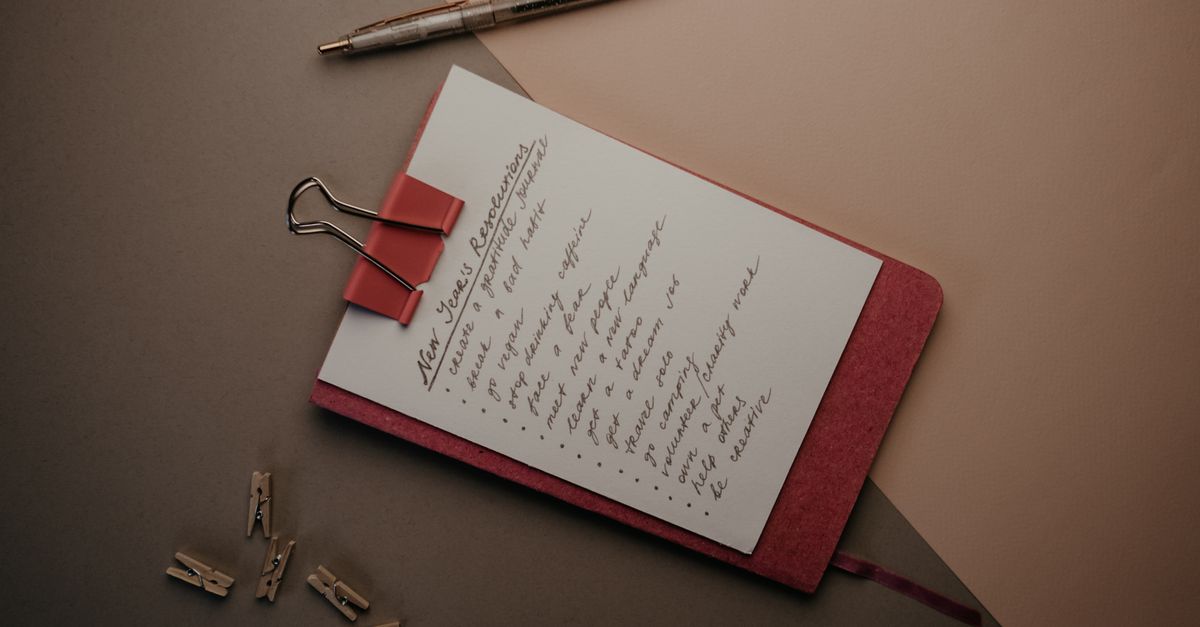
- The Brain Dump: I scribble every lingering thought, unfinished task, and “oh yeah I need to…” onto a single notebook page.
- The Victory Log: I write down three things, however small, that I actually accomplished. (This combats the “I got nothing done” feeling.)
- The Tomorrow Seed: I write one—and only one—clear, actionable sentence for my most important task tomorrow. Not a list. A sentence. “Draft the introduction for the quarterly report.”
Intentional Inefficiency in Communication
In an era of instant Slacks and rapid-fire emails, slowing down is radical. I’m advocating for intentional inefficiency. This means, for important matters, choosing a slower medium. Walk to a colleague’s desk instead of messaging. Have a brief video call instead of a 20-thread email chain. Handwrite a note.
The friction of a slower medium forces clarity of thought. It reduces the volume of low-value, misinterpreted digital chatter that clogs your mental bandwidth. A five-minute conversation can resolve what might become an hour-long text tennis match. By being selectively “inefficient,” you preserve your most valuable resource: focused attention. You’re not just managing time; you’re managing cognitive load, which is the true bottleneck of modern productivity.
The "Outer Order, Inner Calm" Lie (And The Truth)
Marie Kondo promised joy via tidiness. For productivity, the common advice is a pristine, minimalist desk. But for many, this is a lie. The real secret isn’t sterile emptiness; it’s curated visual priming.
My desk isn’t minimalist. It holds a small fossil, a postcard from a friend, and a particular notebook I love using. These aren’t clutter; they are intentional triggers. The fossil reminds me of deep time and patience during a stressful sprint. The postcard sparks joy and connection. The notebook invites me to write. Your environment should be a dashboard for your mindset, not a showroom.
The productive habit is the weekly 10-minute environment audit. Not a full clean, but a deliberate check: Does everything in my immediate sight line serve my focus or my peace? If an object creates mental static (a broken charger, a stack of irrelevant papers), it goes. If it silently supports your state of mind, it stays. This is about designing for flow, not for Instagram.
**
Productivity in 2024 isn’t about doing more things faster. It’s about creating the internal and external conditions where important work can happen almost effortlessly. It’s found in the blank spaces, the useless skills, the evening rituals, the slow conversations, and the personally meaningful clutter.
So, I challenge you this week: pick one* of these “unproductive” habits. Schedule 10 minutes of nothing. Dig out that old sketchbook. Craft your shutdown ritual. Have one conversation in person. Audit your desk not for cleanliness, but for psychological utility.
You might just find that the secret to a productive life isn’t in the relentless optimization of work, but in the thoughtful cultivation of everything around it.
Follow us: YouTube. Follow for more great content!





