
Did you know that the average person spends 2.5 hours per day simply recovering from interruptions? We’re all chasing that elusive state of “flow,” that magical zone of deep work and effortless productivity. But what if the secret to getting there isn’t another complex time-management app or a 5 AM wake-up call?
What if it’s hidden in the habits you’re already doing—or the ones you’ve been told are bad?
Let’s be honest, most productivity advice feels like a chore. It’s all about grinding harder, squeezing more out of every minute. I’ve found that the real magic happens when you focus on replenishing your energy, not just spending it. Here are five unexpected habits that are secretly acting as your productivity engine in 2024.

The Power of Purposeful Daydreaming
We’ve been scolded for it since grade school: “Stop staring out the window!” But here’s what most people miss: strategic mind-wandering is a cognitive superpower. When you let your focus soften and your thoughts drift, you’re allowing your brain’s default mode network to kick in. This is where your mind connects disparate ideas, solves problems you’ve been stuck on, and generates genuine creativity.
I schedule “thinking breaks” now. For 10 minutes, I’ll put my phone away, step away from the screen, and just… ponder. No goal, no pressure. It’s not scrolling; it’s staring at a tree. The solutions that bubble up during these periods often outshine anything I forced at my desk. It’s your brain’s way of doing background processing. Stop treating it like a distraction and start treating it like a vital part of your workflow.
The 20-Minute "Useless" Skill Hobby
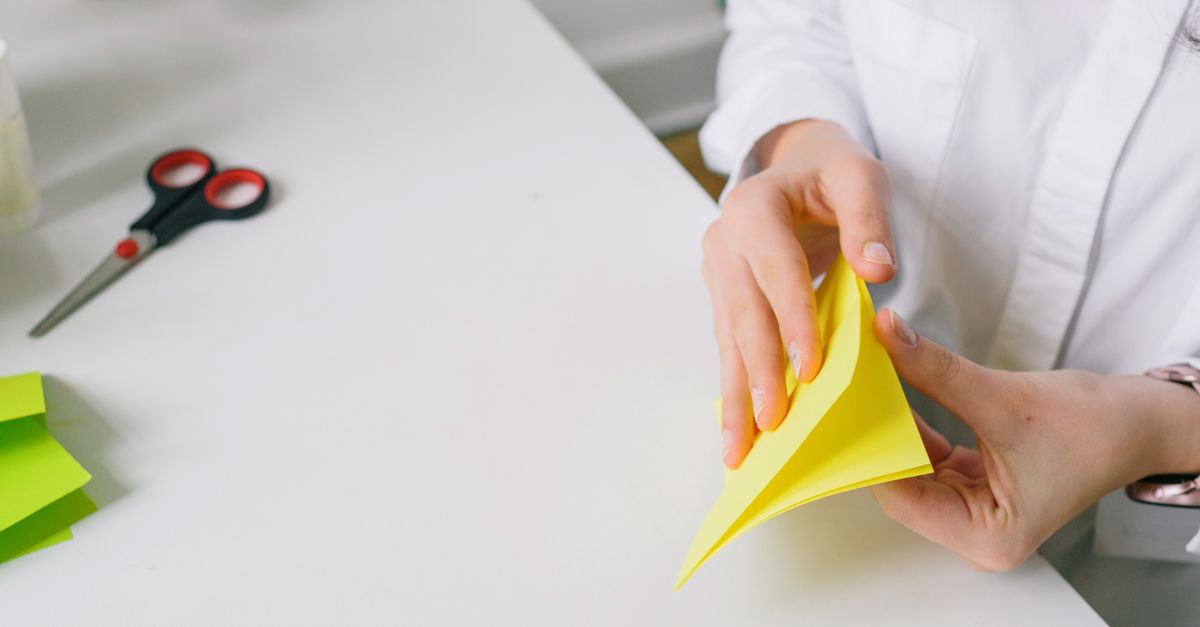
This one feels counterintuitive. How can spending time on something with no professional value make you more productive? It all comes down to cognitive transfer and mental restoration. Learning a “useless” skill—like juggling, identifying bird calls, sketching, or folding origami—does two incredible things.
First, it builds neural plasticity, making your brain more agile and better at learning anything new, including work tasks. Second, and more importantly, it creates a pure psychological escape. It’s an activity with no deadlines, no KPIs, and no performance reviews. This complete mental shift is more refreshing than any passive activity like watching TV. You return to your core work feeling genuinely reset, not just numbed.
Scheduled Procrastination (Yes, Really!)
We vilify procrastination, but what if you weaponized it? Intentional delay is a game-changer. The key is to procrastinate on purpose on the right tasks.
Here’s my system: When a new, medium-priority task lands in my lap, I don’t jump on it immediately. I note it down and deliberately wait 24 hours. Why? Two reasons:
- Priority Filter: Many “urgent” tasks resolve themselves or are revealed to be unimportant within a day.
- Incubation Period: Your subconscious gets to work on it. When you finally sit down to tackle it, you often have a clearer, more efficient approach mapped out.
The "Do Not Disturb" for Your Physical Space
We all know about digital “Do Not Disturb,” but your physical environment is buzzing with interruptions you’ve learned to ignore—at a great cognitive cost. The hum of the fridge, the visual clutter on your desk, the slightly uncomfortable chair. This creates low-grade environmental stress that drains your focus reserves.
Once a week, I do a 15-minute “sensory reset.” It’s simple: Auditory: Put on noise-cancelling headphones with calm, wordless music or brown noise. Visual: Clear everything off my desk except the one thing I’m working on. Tactile: Adjust my chair, keyboard, and lighting to be perfectly comfortable.
This habit reduces the constant micro-adjustments your brain has to make, freeing up huge amounts of mental bandwidth for deep work.

Consuming Fiction Right Before Work
Most of us start our day with the news or industry podcasts, thinking we’re “getting up to speed.” But you’re actually priming your brain for anxiety, reactivity, and scattered thinking. Try this instead: read 10-15 pages of a novel with your morning coffee.
Engaging with narrative fiction builds empathy and theory of mind—the ability to understand others’ perspectives. This directly translates to better collaboration, clearer communication, and more innovative problem-solving at work. It also requires deep focus, gently warming up your concentration muscles for the day ahead. You’re not filling your mind with fragmented information; you’re taking it for a focused, immersive jog.
*
The common thread here? True productivity in 2024 isn’t about doing more. It’s about thinking better, resting smarter, and creating the conditions for your brain to perform at its peak. It’s about working with* your human psychology, not against it.
So, which of these “unproductive” habits will you try to embrace this week? Sometimes, the fastest way forward is to momentarily step sideways.
Follow us on YouTube for more great content that helps you work smarter and live better!




