Did you know that the average person spends 153 days of their life looking for lost items? That’s over five months of pure, unadulterated frustration. Let that sink in. In a world that feels increasingly cluttered—not just with physical stuff, but with digital noise, endless to-do lists, and the pressure to do and be more—it’s no wonder minimalist habits are having a major moment. But this isn't your 2016 "spark joy" KonMari moment. The minimalist habits making waves in 2024 are less about throwing things away and more about intentionally making space for what truly matters.
We’re moving past the aesthetic of empty white rooms. Today’s minimalism is a functional toolkit for mental clarity, financial freedom, and reclaiming your time. It’s a quiet rebellion against burnout culture. I’ve found that the most impactful shifts aren’t massive overhauls, but small, consistent habits that compound into a radically different quality of life.
Let’s be honest, the word "minimalism" can sound restrictive. But what if it’s actually the key to more freedom? Here are the five minimalist habits that people aren’t just talking about—they’re genuinely changing lives this year.
The Digital Sabbath: Your Weekly Reboot Button
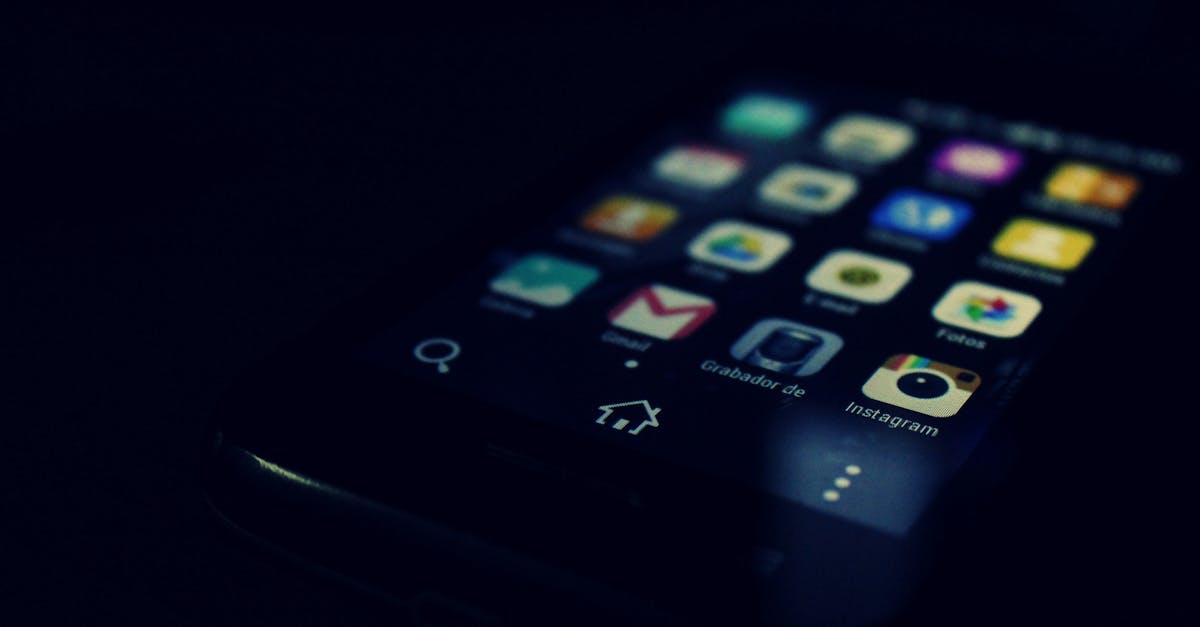
Here’s what most people miss: digital minimalism isn’t just about deleting apps. It’s about ritualizing disconnection. The most transformative habit I’ve seen is the "Digital Sabbath"—a dedicated 24-hour period each week (often a Saturday or Sunday) where you completely unplug from non-essential screens.
No social scrolling, no email checking, no binge-watching. It sounds extreme, but the reset is profound. This habit forces you to reconnect with analog pleasures: reading a physical book, having an uninterrupted conversation, going for a walk without a podcast, or simply letting your mind wander. The anxiety FOMO (Fear Of Missing Out) is quickly replaced by JOMO (Joy Of Missing Out). You return to your devices on Monday not with dread, but with a sense of control. You’re using the tool; it’s no longer using you.
The One-In-One-Out Rule (Applied to Everything)
We all know the classic closet rule: for every new item that comes in, one must go. But in 2024, life-changing minimalists are applying this principle to every domain of life.
New commitment on the calendar? What are you removing to make space for it? Downloaded a new app? Which one are you deleting? Subscribed to a new streaming service? Time to cancel an old one you don’t use. This habit enforces constant prioritization. It prevents the slow creep of clutter—whether physical, digital, or social—and makes every new addition a conscious choice. It answers the question, "Is this new thing more valuable than what I currently have?" This is a powerful minimalist habit for intentional living that directly combats lifestyle inflation and overwhelm.

The Power of the "Essential Three" Daily To-Do List
Forget the 30-item monstrosity. The most productive minimalists have abandoned long to-do lists for the "Essential Three." Each morning, you identify the THREE most critical tasks for the day. Not thirty. Three. These are the things that, if accomplished, would make the day feel like a success.
This habit is ruthlessly effective because it aligns your effort with your intent. It forces you to distinguish between the "urgent" and the "truly important." The rest of your tasks? They go on a "Maybe List" or a parking lot. If you get your Essential Three done, you can pull from there. But 9 times out of 10, you’ll realize those extra tasks weren’t that crucial. This is minimalist time management at its finest—it reduces decision fatigue and creates a powerful daily sense of accomplishment.
Conscious Consumption: The 48-Hour Wait Rule
In an age of one-click buying and instant gratification, the most financially and emotionally freeing minimalist habit is the mandatory 48-hour wait period for any non-essential purchase. See a jacket you like online? Add it to the cart and walk away for two full days.
The magic happens in that waiting period. The initial dopamine hit of "I want that!" fades. You’ll often find you completely forget about the item. Or, you realize you were about to buy it to fill an emotional need—boredom, stress, envy—not a physical one. This simple pause breaks the impulse-buying cycle, saves a staggering amount of money, and ensures that what enters your home is truly wanted and needed. It turns consumption from a reflex into a conscious choice.

The Art of Monotasking: Single-Focus Sprints
Multitasking is a myth. It’s just rapid task-switching, and it frazzles your brain, reduces the quality of your work, and makes everything take longer. The antidote? Monotasking. This minimalist habit is about dedicating a fixed block of time (say, 25-50 minutes) to a single activity with zero distractions.
Phone on Do Not Disturb. Email tab closed. Just you and one task. Then, you take a proper break. This is the core of techniques like the Pomodoro Method, but it’s more than a productivity hack—it’s a philosophy of deep engagement. Apply it to work, but also apply it to pleasure. Be fully present for that cup of coffee, that chapter of your book, that conversation with your kid. By monotasking, you’re practicing a form of mindfulness that reduces anxiety and increases satisfaction in everything you do.
These minimalist habits aren’t about having less for the sake of less. They’re about creating the space—in your home, on your calendar, in your mind, and in your bank account—for more of what makes you feel alive, focused, and free. They are small, sustainable edits to your daily script that, over time, rewrite the entire story of your life.
The journey doesn’t start with a massive purge. It starts with a single question: What’s one thing I can remove today to make room for what truly matters? Your first Digital Sabbath? Your first "Essential Three" list? That’s where the change begins.
So, which of these life-changing minimalist habits will you try first? Your 153 days of found time are waiting.




