
Here’s the thing: your brain isn’t some static piece of hardware you’re stuck with. It’s more like a garden — constantly growing, pruning, and rewiring based on what you feed it. Every habit, every scroll, every split-second decision is actually shaping your neural pathways. And here’s the kicker: most of us are doing things every single day that are quietly, efficiently, and systematically rewiring our brains for the worse.
I’ve spent years digging into behavioral neuroscience (and, let’s be honest, my own bad habits), and I’ve found that the most dangerous rewiring isn’t caused by dramatic events. It’s the silent, mundane stuff. The stuff you don’t even think twice about.
Ready to get uncomfortable? Let’s rip the bandage off.
The Dopamine Slot Machine in Your Pocket
You know that feeling when you reach for your phone — not because you need to, but because your thumb itches? That’s not laziness. That’s your brain being chemically hijacked.
Here’s what most people miss: every time you check a notification, get a “like,” or see a new email, your brain releases a tiny squirt of dopamine. That’s the same neurotransmitter involved in addiction to cocaine and gambling. The problem? The reward is unpredictable. You refresh Instagram — maybe someone commented, maybe they didn’t. That maybe is the hook.
I’ve found that this constant, low-level dopamine cycling is literally thinning your prefrontal cortex — the part of your brain responsible for impulse control, planning, and long-term thinking. You’re training your brain to crave instant rewards and reject delayed gratification.
- The fix: Schedule “phone-free blocks” (start with 30 minutes). Turn off all non-essential notifications. Your brain needs the unpredictability to stop — give it predictability.

The Multitasking Myth That’s Making You Dumber
We love to brag about multitasking. “I’m a great multitasker!” — you’ve said it, I’ve said it. Let’s be honest: it’s a lie.
Neuroscience is brutally clear: the human brain cannot multitask. It can only task-switch at lightning speed. Every time you bounce from an email to a Slack message to checking your calendar, you’re burning glucose and oxygen in your brain, depleting your mental energy, and weakening your ability to focus deeply.
I’ve noticed this in my own writing. When I try to write while keeping one ear on a podcast and the other on my phone, the words come out shallow, slow, and lifeless. When I single-task — just the article, no distractions — I finish in half the time and the quality is night and day.
The long-term rewiring? You’re training your brain to have the attention span of a gnat. Chronic multitaskers actually show reduced gray matter density in the anterior cingulate cortex — the region responsible for cognitive control.
- The fix: Try “deep work sprints” — 25 minutes of one task, no switching. Use a timer. Your brain will literally grow new connections for sustained focus.
The Scrolling-Induced Sleep Sabotage
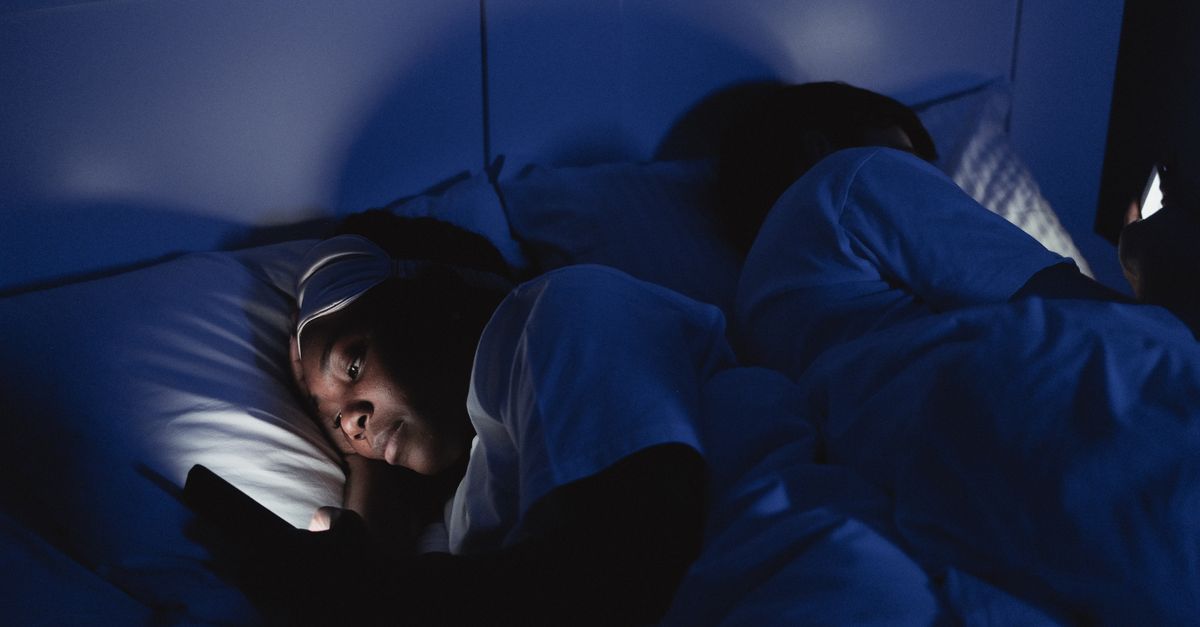
I’m guilty of this one. You’re lying in bed, scrolling “just one more video,” and suddenly it’s 1:47 AM. The screen is bright, the content is stimulating, and your brain thinks it’s noon.
Here’s the hidden danger most people miss: blue light from screens suppresses melatonin production by up to 50%. But that’s just the appetizer. The real rewiring happens because you’re also associating your bed with wakefulness. You’re literally teaching your brain that the bedroom is a place for stimulation, not rest.
Over time, this creates a condition called conditioned arousal. You get into bed, and instead of feeling sleepy, you feel alert. Your brain has been rewired to anticipate scrolling, not sleeping.
I’ve found that poor sleep is the fastest way to accelerate cognitive decline. It’s when your brain flushes out metabolic waste (yes, literally cleans itself). Skimp on sleep, and you’re letting those waste products build up — linked directly to Alzheimer’s risk.
- The fix: No screens in bed, period. Read a physical book. If you must use your phone, turn on the red filter and drop brightness to minimum. But honestly? Just leave it in the other room.
The Endless Choice Trap (Decision Fatigue)
We think having more choices is freedom. In reality, too many choices paralyze your brain and drain your willpower.
Think about it: You spend 10 minutes deciding what to watch on Netflix, 5 minutes picking a podcast, 2 minutes choosing which coffee to order. Each decision — no matter how small — depletes a finite cognitive resource called ego depletion.
I’ve found that decision fatigue doesn't just make you tired; it makes you stupid. When your brain is exhausted from trivial choices, you’re more likely to make impulsive, short-sighted decisions. You eat the junk food. You skip the workout. You snap at your partner.
The quiet rewiring here is subtle but powerful: your brain learns to avoid deep thinking because it associates it with exhaustion. You default to autopilot.
- The fix: Reduce trivial decisions. Wear a “uniform” (Steve Jobs did this). Have a default meal. Pre-decide your workout time. Save your brainpower for what actually matters.
The Negativity Bias Feed
Here’s a shocking statistic: negative information sticks in your brain 3x longer than positive information. It’s a survival mechanism — if you don’t remember the tiger that almost ate you, you die. But in the modern world, this ancient wiring is being weaponized.
Every news app, every social media feed, every clickbait headline is optimized to trigger your negativity bias. Bad news travels faster. Outrage gets more engagement. Fear keeps you scrolling.
I’ve noticed that after a week of heavy news consumption, my default mood shifts. I start seeing threats everywhere. I assume the worst in people. I’m more anxious, less trusting. My brain has been rewired for hypervigilance.
The long-term consequence? Chronically elevated cortisol levels, which literally shrink the hippocampus — the brain’s memory center. You’re not just feeling bad; you’re making it harder to learn new things and remember old ones.
- The fix: Curate your input like it’s a diet. Unfollow outrage accounts. Read long-form journalism instead of breaking news. Schedule “news time” (10 minutes a day) and stick to it. Your brain will thank you.

What You Can Actually Do About It
Look, I’m not saying you need to become a monk in a cave. I’m not saying throw away your phone. But here’s the truth I’ve come to accept: your brain is being shaped right now, whether you like it or not.
The question isn’t if it’s changing. The question is: are you the one holding the shears, or are you letting the algorithms, the notifications, and the bad habits do the pruning for you?
Start with one habit from this list. Just one. Pick the one that stings the most when you read it. That’s your weak spot. That’s where the rewiring is happening fastest.
Your brain is the most powerful tool you’ll ever own. Don’t let it get rewired for worse by accident.
Choose your inputs. Shape your mind. Own your future.





