
Last Tuesday, I almost lost it in the checkout line at Target. The woman in front of me was taking her sweet time, the guy behind me was sighing loud enough to register on the Richter scale, and my phone was buzzing with a work email that made my stomach drop. My heart was racing, my palms were sweating, and I had that familiar feeling of being a tightly wound spring with no release valve.
I drove home, sat in the car for five minutes, and just breathed. In. Out. In. Out. It was a habit I picked up years ago, not from a therapist (though I love mine), but from a tradition that's been around for thousands of years.
Here's the thing we often miss in our modern, hustle-culture world: our ancestors were onto something. Long before there were apps for mindfulness and podcasts about nervous system regulation, people were practicing techniques that science is now proving actually work. And the best part? They're free, they're ancient, and they're shockingly effective.
Let's be honest — anxiety is the plague of our generation. We're overstimulated, over-caffeinated, and over-connected. But the antidote might just be in the past. Let's ditch the noise for a minute and look at five ancient spiritual practices that modern science is finally catching up to.
The Breath That Builds a Firewall
I remember sitting in a yoga class years ago, thinking, "This is just breathing. How is this supposed to help my panic attacks?" I was skeptical. It felt too simple.
But then I learned about pranayama, specifically a technique called Alternate Nostril Breathing (Nadi Shodhana). It looks a little funny — you use your thumb and ring finger to alternate closing one nostril while you inhale and exhale. But here's the kicker: a study from the National Institutes of Health found that this specific practice can significantly lower heart rate and blood pressure, effectively flipping the switch from "fight or flight" to "rest and digest."
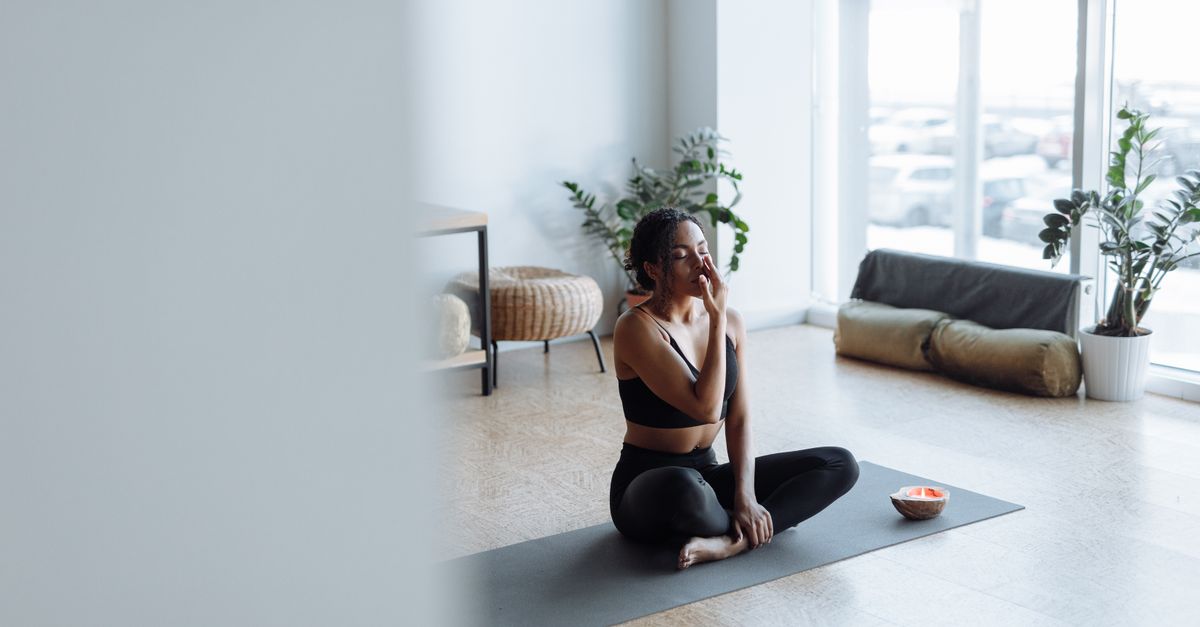
The science behind it is fascinating. When you breathe slowly and evenly through one nostril at a time, you're stimulating the vagus nerve — that's the superhighway that tells your brain to calm down. It's like giving your nervous system a warm hug.
I've found that doing this for just three minutes before a stressful meeting or a difficult conversation makes me feel like I've built a small firewall between my emotions and my reactions. It's not magic; it's just biology catching up to ancient wisdom.
Chanting Your Way to a Quieter Brain
If you've ever heard Buddhist monks chanting and thought, "That's kind of weird," you're not alone. I used to think it was a bit too "out there" for me. But then I stumbled upon the concept of mantra repetition, and my world shifted.
Here's what most people miss: the repetitive nature of chanting isn't just about faith — it's about neuroscience. When you repeat a sound, a phrase, or a prayer, you're engaging in what psychologists call "single-pointed attention." This is the exact opposite of the multitasking chaos that fuels anxiety.
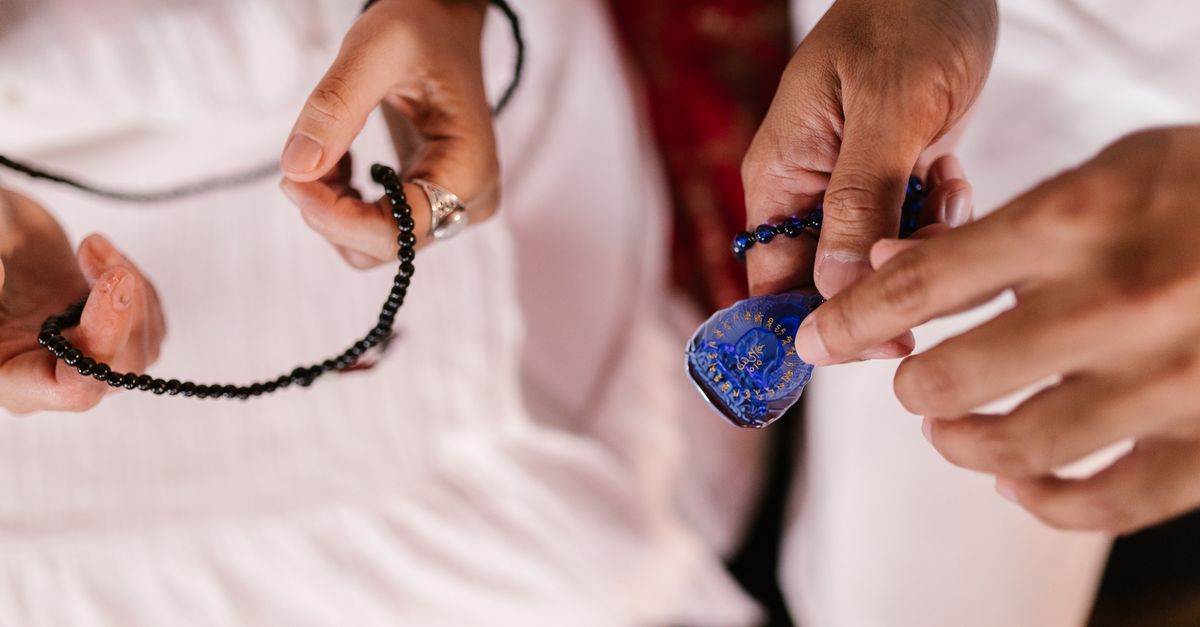
Research on Transcendental Meditation and similar practices shows that repeating a mantra can decrease activity in the "default mode network" of the brain — that's the part that's responsible for mind-wandering and self-referential thoughts. You know, the part that keeps you up at 3 AM replaying that awkward thing you said in 2014.
I've started using a simple mantra during my morning commute (yes, in the car). It doesn't have to be religious; it can be a word like "calm" or "peace." The act of repeating it rhythmically forces your brain to stop the chatter. It's like hitting the reset button on your thoughts.
The Ancient Art of Slowing Down (Literally)
We live in a world that worships speed. Fast food, fast internet, fast results. But there's a practice that's been around for centuries that demands you go slow — walking meditation.
This isn't just taking a stroll in the park. This is the practice where you walk at a glacial pace, feeling every single micro-movement of your foot lifting, moving, and placing back down. It sounds tedious, right? But that's the point.
A 2021 study published in the Journal of Clinical Psychology found that mindful walking was just as effective as traditional meditation in reducing anxiety symptoms. Why? Because it forces you to anchor yourself in the present moment. You can't worry about the future when you're hyper-focused on the sensation of your heel hitting the pavement.
Let's be honest — sitting still for 20 minutes is hard. Our minds rebel. But walking meditation? It gives your restless energy a place to go while still training your brain to focus. It's a hack for the anxious mind. I like to do this on my lunch break, even if it's just for five minutes. It turns a mundane activity into a powerful tool for mental health.
The Power of Gratitude (It's Not Just for Thanksgiving)
Every November, our social media feeds get flooded with "30 Days of Gratitude" posts. It feels a bit cheesy, doesn't it? But this practice isn't a modern fad — it's deeply rooted in contemplative traditions across the globe.
In many spiritual paths, gratitude is considered a high-vibrational state that connects you to something bigger than yourself. And science agrees. Gratitude practices have been shown to rewire the brain over time. A study from UC Berkeley found that participants who wrote down things they were grateful for each week reported fewer physical ailments, felt better about their lives, and were more optimistic.
The key isn't just saying "thanks" — it's the cultivation of the feeling. When you actively search for things to be grateful for, you're training your brain's reticular activating system (RAS) to look for the good instead of the threats. It's a biological shift in perspective.
I've found that combining this with a mindfulness practice is a one-two punch against anxiety. It's hard to be in a state of panic when your brain is actively scanning for things that make you smile.
Sitting With the Uncomfortable (The "Just Sit" Method)
Finally, let's talk about the one that scares everyone: Vipassana, or insight meditation. The name sounds heavy, but the core idea is simple: you sit with your discomfort and watch it without judgment.
This is the hardest one for me. When I feel anxious, my first instinct is to run, distract, or scroll. But the ancient practice of Vipassana says, "Stay. Look at it. What does it feel like in your body? Where is it located?"
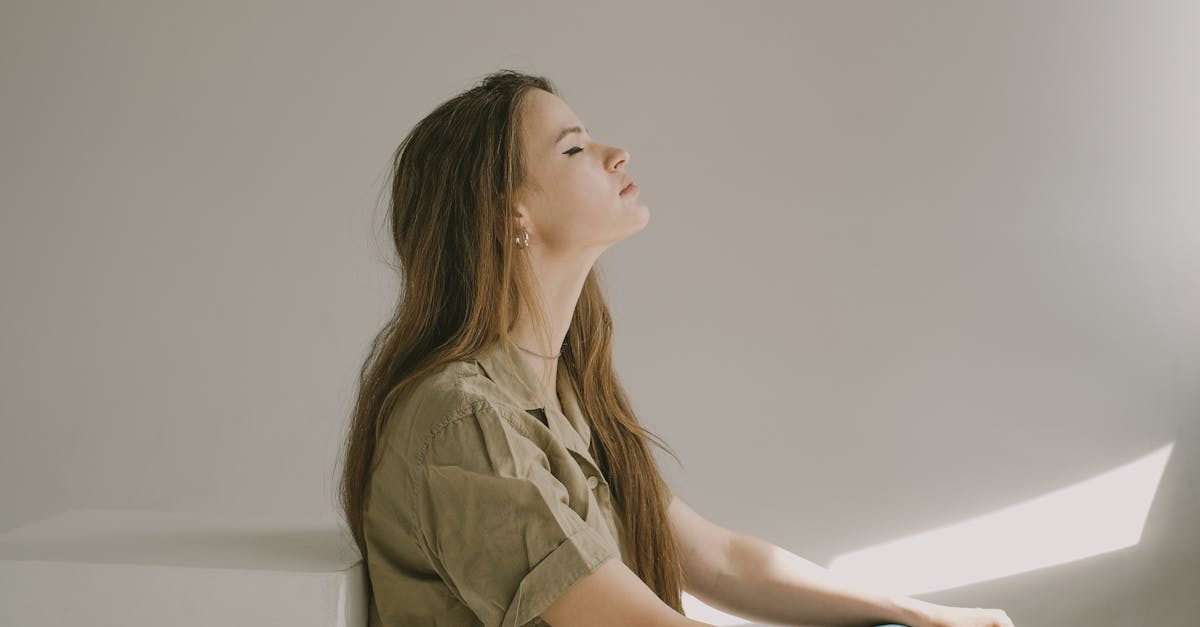
Modern therapy calls this "exposure therapy." Science calls it "interoceptive exposure." It's the process of deliberately and safely facing the physical sensations of anxiety until they lose their power over you. By observing your racing heart or tight chest without panic, you teach your brain that these sensations are not dangerous. They're just sensations.
It takes guts. But the payoff is huge. Every time you sit with the uncomfortable, you're telling your nervous system, "I got this." You're building a resilience that no pill can give you.
The Verdict: Ancient Was Right
We spend billions of dollars on wellness products, supplements, and therapy apps (I have them all, don't get me wrong). But sometimes, the most profound tools are the ones we've had all along.
These five practices — breathwork, mantra, mindful walking, gratitude, and simply sitting with it — aren't just relics of a superstitious past. They are evidence-based interventions that have stood the test of time.
So, here's my challenge to you: Pick one. Just one. Try it for a week. Not because a monk told you to, but because your own biology is begging for it. The path to a calmer mind might not be forward; it might just be a step back in time.
What's the one ancient practice you're willing to try? Let me know in the comments — I'm always looking for new ways to chill out.





