
Remember that frantic, 2 AM email I sent last quarter? The one where I promised a client a “comprehensive market analysis” by 9 AM? I’ll let you in on a secret: I hadn’t started it. I was staring at a blank screen, my brain as useful as a fried processor. Then, I pasted a few rough notes into a tool that didn’t just correct my grammar—it restructured my chaotic thoughts into a coherent, persuasive report. I hit send at 8:45 AM. They called it “brilliantly insightful.”
That was the moment I stopped asking “Will AI take my job?” and started asking “How can AI do the boring parts of my job?” The real story of 2024 isn’t about sentient robots; it’s about a quiet, fundamental shift in our daily grind. The tools have moved from novelty to necessity, from generating weird art to being embedded in the very fabric of how we think, create, and execute.
Let’s be honest, most “AI tool roundups” are a regurgitated list of the usual suspects. I want to talk about the ones that are actually changing workflows, not just making flashy demos. These are the tools creating tangible hours of reclaimed time and new forms of leverage.

From Digital Assistant to Co-pilot: The Rise of Context-Aware AI
The first generation of AI tools required precise, often clunky prompting. You had to be an engineer to get a decent result. The 2024 winners are different. They have context. They sit inside your documents, your spreadsheets, your meeting apps, and they understand what you’re trying to do.
Take Notion AI. It’s moved far beyond a simple text generator. I’ve found that its real power is as a thinking partner. Stuck on a project outline? Highlight your messy bullet points and hit AI → Improve writing. It doesn’t just paraphrase; it categorizes, prioritizes, and structures. Building a database? Describe it in plain English (“a table to track content deadlines with status, owner, and publish date”), and it builds the schema for you. The magic is its deep integration—it works with the data you already have in Notion, making it a seamless extension of your brain.
Here’s what most people miss: The value isn’t in the content it creates from scratch, but in the acceleration of iteration. A first draft is no longer a hurdle. It’s a five-second command away, freeing you to focus on the nuanced, human parts: strategy, tone, and true creativity.
The End of the Blank Slide: AI That Builds Your Narrative
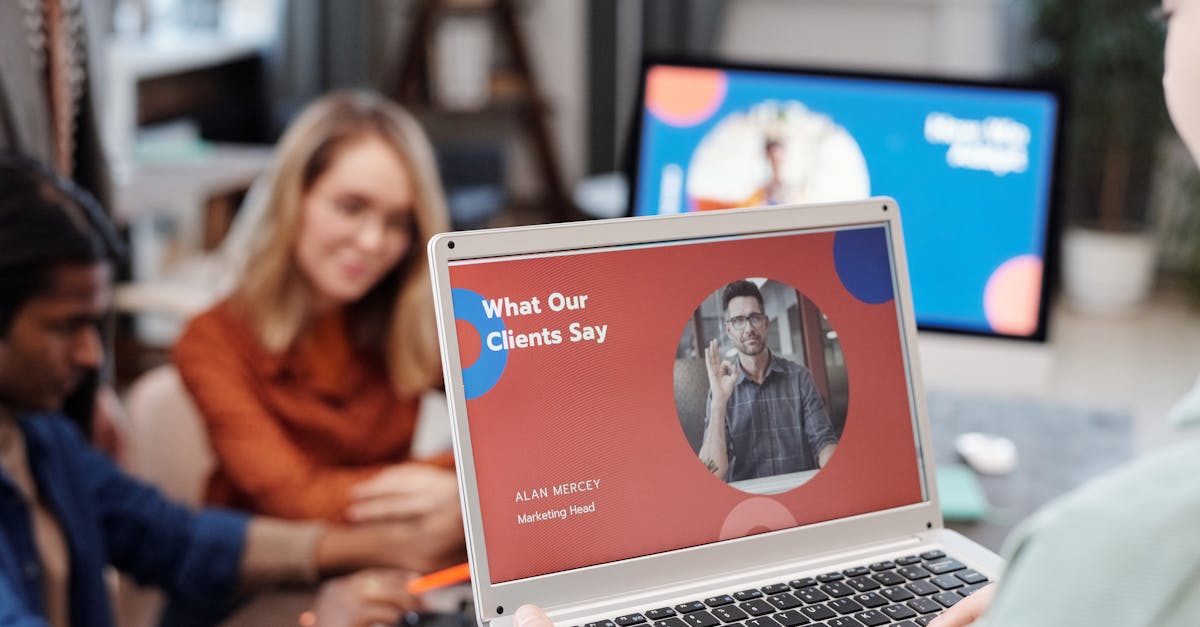
If there’s one universal time-suck in the professional world, it’s building presentations. The torture of aligning boxes, finding icons, and translating a report into a visual story. Gamma.app has fundamentally broken this process.
You don’t design in Gamma; you describe. Type “A proposal for a sustainable packaging initiative, targeting executive leadership, with data on cost savings and brand impact.” In under a minute, you have a complete, beautifully designed deck with a narrative flow, suggested charts, and speaker notes. The game-changer is its dynamic flexibility. Every element is editable, the themes are professional, and you can toggle between a deck, a document, or a live webpage view.
It changes work because it inverts the creative process. Instead of starting with form (a blank slide), you start with substance (your idea). The AI handles the formatting, so you can immediately refine the message. It turns a half-day task into a 30-minute polish.
Your Meeting’s Most Attentive Participant: AI That Listens and Acts
We’ve all left a Zoom call wondering, “Wait, what was the action item for me?” The post-meeting scramble to align notes is a collective drain on productivity. This is where tools like Otter.ai have evolved from simple transcribers to active workflow engines.
In 2024, it’s not about the transcript—it’s about the automated synthesis. Otter, and platforms like Fireflies.ai, now integrate directly with your calendar and meeting apps. They join, record, transcribe, and, crucially, generate a summary with clear action items, decisions, and key quotes. They can even analyze sentiment and talk time.
I use it to create a single source of truth. After a client call, I have an email-ready summary in my inbox before I’ve even grabbed a fresh coffee. The cognitive relief is immense. You can be fully present in the conversation, not frantically scribbling notes. This is how AI improves collaboration at a human level, by eliminating the friction of memory and miscommunication.
The Data Whisperer: AI That Talks You Through the Spreadsheet
For years, “data analysis” meant knowing complex formulas, pivot tables, or SQL. That barrier is crumbling. Microsoft’s Copilot in Excel is a staggering glimpse into the future. You can now ask your spreadsheet questions in plain English.
Staring at a massive table of sales data? Instead of building a chart, you can type: “Show me which product line had the highest growth in Q3 but the lowest customer satisfaction score.” Copilot will analyze the data, find the correlations, and generate the visual. It’s like having a data scientist on tap.
This changes work by democratizing insight. Marketing managers, operations leads, and executives can interrogate data directly without being a technical expert. It shifts the role from “data preparer” to “data interrogator.” The question is no longer “How do I get this chart?” but “What story is this data trying to tell me?”

The Hyper-Personalized Campaign Architect: Beyond Generic Marketing
Finally, let’s talk about a tool that’s reshaping entire marketing departments: Copy.ai and its newer competitors. We’ve moved past the era of generating 100 generic email subject lines. The frontier now is workflow automation and brand-specific adaptation.
These platforms can now be trained on your company’s voice, past campaigns, and product data. You can brief it once on a new product launch, and it will generate a coordinated suite of assets: the press release, a series of social posts tailored for LinkedIn, Twitter, and Instagram, email sequences, and ad copy variants—all maintaining a consistent tone.
The change here is scale and consistency. A single strategist can architect a multi-channel campaign in an afternoon, ensuring the messaging is unified everywhere. It turns creative brainstorms into rapid prototyping sessions, where you refine the AI’s output instead of starting from zero every time.
So, What Are We Actually Freeing Ourselves For?
This is the critical question. If these AI tools are taking over the drafting, the formatting, the transcribing, and the initial analysis, what’s left for us?
The human work. The work of judgment, of empathy, of nuanced strategy, of building trust, and of asking the next, better question. AI can give you 100 presentation designs, but you must choose the one that feels right for your audience. It can list every data point, but you must decide what it means for the future of the company.
The hidden truth of AI in 2024 is that it’s not an automation engine. It’s an amplification engine. It’s giving us back our most precious resource: attention. Attention we can redirect from tedious tasks to thoughtful work, from assembling information to wielding insight.
The risk isn’t that AI becomes too capable. It’s that we, as professionals, fail to level up alongside it. The tools are here. They’re waiting in your browser tabs. The real shift in how we work starts with a single decision: to stop doing the things a machine can do, and start focusing on the things only you can.
What will you build with all that reclaimed time?
Follow us on YouTube for more great content!





