Remember that Sunday morning a few months ago? I was sitting in my living room, sunlight streaming in, phone in hand. I’d opened a meditation app, but within seconds, a notification for a work email popped up. Then a text. Then a memory notification from a photo two years ago. I closed my eyes, trying to find a sliver of quiet, but my brain was already scrolling—a chaotic, internal feed of to-do lists and random anxieties. I put the phone down and just stared out the window. The silence felt… loud. And in that moment, I had a painfully clear thought: My most sacred spaces were being colonized by digital noise.
We talk a lot about digital detoxes and screen time limits. But what if the path to spiritual connection isn’t about fleeing the digital world, but about repurposing its very tools? What if our devices, often blamed for our disconnection, could become unexpected portals to something deeper?
Let’s be honest, the idea of finding God, the Universe, or inner peace while holding a smartphone feels a bit contradictory. It’s like looking for serenity in a Times Square billboard. But I’ve found that spiritual connection isn’t about the perfect, silent monastery. It’s about awareness. And sometimes, you have to use the distractions to find the door out of them.

1. The Sacred Scroll: Curating Your Digital Sanctuary
We think of scrolling as a mindless act. But what if we scrolled with intention? Your feed is a curated gallery of what enters your mind and heart. Is it filled with outrage, comparison, and noise? Or could it be a source of gentle reminders?
Here’s what most people miss: Algorithms follow engagement, not intent. They feed you what you linger on. I decided to experiment. I started actively seeking and engaging with different content. I followed poets on Instagram instead of just influencers. I subscribed to newsletters with daily contemplative questions. I joined a small, private Facebook group dedicated to mindful photography, where people post one picture a day of something that made them pause.
The shift was subtle but profound. My digital mindfulness practice began not by closing apps, but by reshaping them. Now, a quick scroll can offer a haiku, a stunning piece of nature photography from someone across the globe, or a profound quote that stops me in my tracks. It turned my phone from a slot machine of distraction into a pocket-sized chapel of curated inspiration. The tool wasn’t the problem; my lack of curation was.
2. The Ministry of Mute: Finding God in the Digital Silence
This is my favorite, and most underutilized, tactic. We use our phones to consume, to broadcast, to react. But what about using them to listen?
I started practicing what I call “audio fasts.” Not forever—just for specific, sacred pockets of time. During my morning walk, I leave the podcasts and playlists behind. I hit mute. I listen to the actual world: the rhythm of my footsteps, the wind, the distant hum of life. That smartphone in my pocket? It’s still there. But its purpose has shifted. It’s a paperweight. A reminder that I am choosing not to be fed a narrative, but to witness the one unfolding around me.

You can do this anywhere. In the car. While cooking. Those moments are ripe for spiritual connection. The mute button is a modern-day prayer bell. It rings and says, “For the next 20 minutes, you are not a consumer. You are a human, being.” In that created silence, you’d be shocked what you can hear—your own thoughts, a sense of gratitude, or just the simple, holy presence of the moment.
3. The Digital Pilgrimage: Mapping Your Gratitude
Pilgrimages have always been about intentional travel toward a sacred site. The journey itself is the prayer. Our digital maps are usually used for efficiency: Get me from A to B as fast as possible.
But what if you used them for slowness?
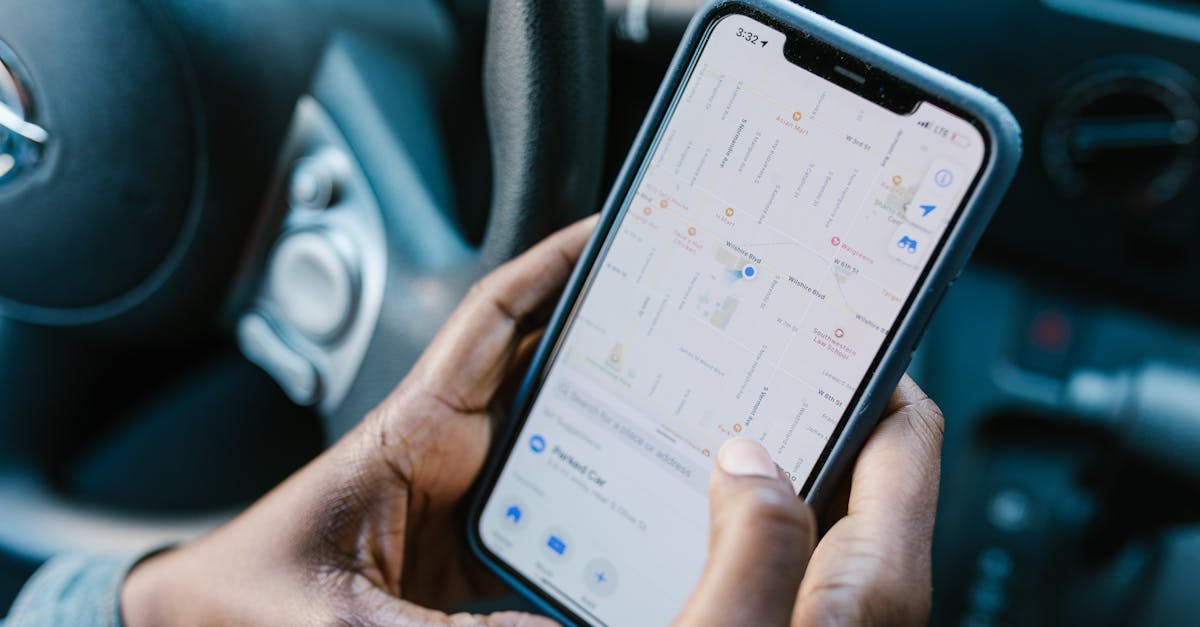
One evening, feeling disconnected, I opened Google Maps. I zoomed in on my neighborhood. Instead of looking for a route, I dropped pins. The pin of remembrance: the park bench where I had a life-changing conversation. The pin of provision: the little grocery store that had what I needed during a snowstorm. The pin of beauty: that one spot where the sunset hits the bricks just right.
I was mapping a gratitude journal onto my physical world. It was a digital pilgrimage in my own backyard. This practice of intentional technology use transformed my daily walk from a routine into a ritual of remembrance. I wasn’t just passing houses; I was moving through a landscape of personal grace. My phone became the guidebook for a sacred tour of my own life.
Your Digital Altar is Waiting
The quest for spiritual connection in a digital age isn’t about choosing between the ancient and the modern. It’s about fusion. It’s about recognizing that the same device that delivers your work stress can also deliver a moment of awe. The same platform that fuels comparison can host a community of deep encouragement.
The digital world isn’t a spiritual wasteland. It’s a frontier. And we get to decide what we build there. We can build altars of anxiety, or we can build altars of attention.
So, tonight, try just one thing. Mute the world for ten minutes and listen. Or drop one pin on your map for a place that mattered. Don’t fight the digital wave. Learn to surf it—toward deeper waters.
*What’s one unexpected place you’ve found a moment of connection lately?* The comments (ironically, right here online) are a pretty good place to start sharing.