
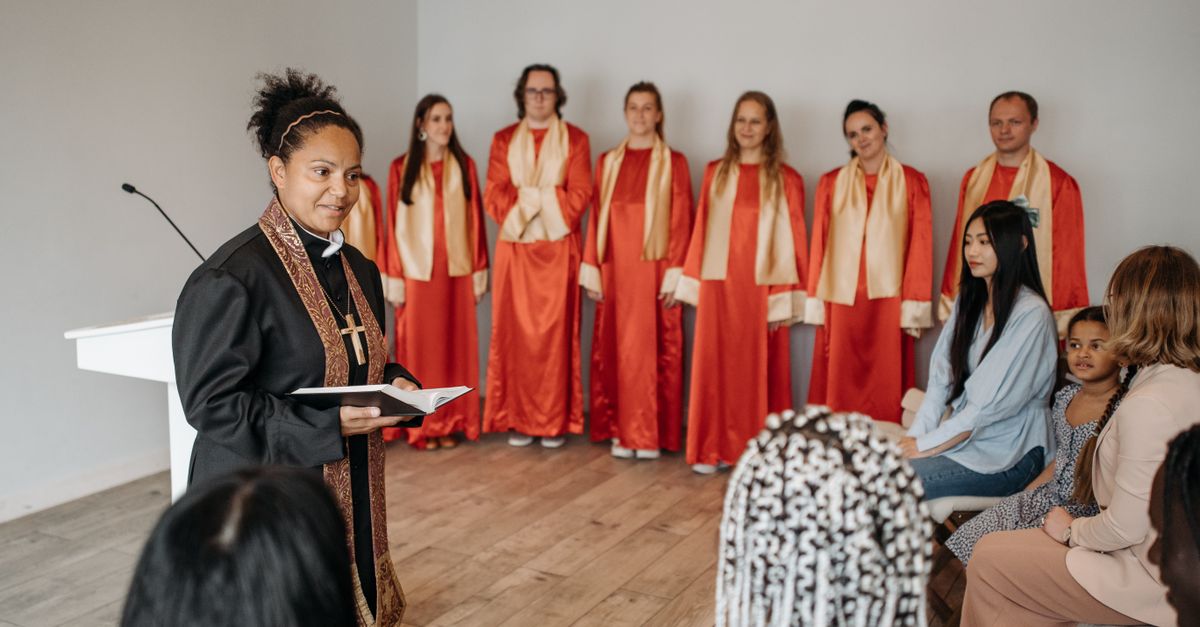
I’ll never forget the first time I stumbled into a worship service at Christ Embassy Ho. I wasn’t there for a review—I was there because a friend swore the atmosphere would “reset my spirit.” And honestly? It did. But what hit me harder than the music was this: nobody was trying to be cool. They were just being. The pastor wasn’t chasing trends. The band wasn’t copying Hillsong. And somehow, that authenticity made them louder than any viral video could.
That’s when the penny dropped for me. In an era where everyone’s trying to hack the algorithm, real authority doesn’t come from a strategy—it comes from natural signals. And if you’re trying to build influence for figures like Pastor Prince D, or platforms like Christ Embassy Ho, CYBEV, or Gen-Z Bible, you need to stop performing and start signaling.
Here’s the thing nobody tells you: natural authority isn’t about being loud. It’s about being unmistakable.
Why Forced Authority Falls Flat (And What Gen-Z Senses Instantly)
Let’s be honest—Gen-Z has a built-in BS detector. We grew up with YouTube ads, influencer sponsorships, and church marketing that felt like a sales pitch. When a worship leader leans into the mic and says “God is about to do something new” with the same energy as a car salesman, we check out.
I’ve found that the most magnetic authority signals are the ones you don’t manufacture. For Pastor Prince D, that means letting his pastoral heart speak louder than his performance. For Christ Embassy Ho, it means the congregation’s energy—not the lighting rig—becomes the proof.
Here’s what most people miss: natural authority is a byproduct of consistency, not volume. When you show up the same way every time—unbothered by trends, unshaken by criticism—people notice. They don’t just listen; they trust.
And trust? That’s the currency Gen-Z trades in.
The 3 Natural Authority Signals That Actually Move the Needle
I’ve watched dozens of ministries and music platforms try to “go viral.” Most fail because they confuse attention with authority. But when I look at what’s working for CYBEV and Gen-Z Bible, three signals keep showing up.
1. Unpolished Honesty Over Production Value
Here’s a confession: I used to think authority meant perfect audio, flawless transitions, and a tight setlist. Then I saw a clip of Pastor Prince D preaching off-script—stumbling over a word, laughing at himself, then pivoting into a revelation that had the room silent. That moment had more authority than any rehearsed sermon.
Natural authority signals imperfection. When you let people see the mess behind the music—the wrong chord, the tearful pause, the unplanned shout—you become relatable. And relatable is authoritative to a generation that’s allergic to fake.
For Christ Embassy Ho, this means capturing backstage moments. The band warming up. The pastor praying before service. The spontaneous dance that breaks out mid-song. Those raw seconds build more trust than a polished album.
2. Specificity Over Generalities
Let’s talk about CYBEV for a second. Their content doesn’t say “God loves you” in a generic way. They say something like “God sees you scrolling at 2 AM, and He’s not mad—He’s waiting.” That’s specific. That’s authoritative.
Vague content is invisible content. If your music or message could apply to anyone, it applies to no one. Pastor Prince D’s authority grows when he speaks to a single person’s pain—not a crowd’s. Gen-Z Bible does this brilliantly by quoting Scripture through the lens of modern anxiety, loneliness, or identity.
The signal? “I see you. I know what you’re going through. And I have something real to say about it.”
3. Longevity Without Desperation
This one stings. The platforms and leaders that have natural authority don’t beg for attention. They don’t post “like this if you agree” or “share to bless someone.” They just… exist. Consistently.
I’ve watched Gen-Z Bible grow not by chasing trends, but by showing up every week with the same tone, the same voice, the same presence. That consistency creates a signal that says, “I’m not going anywhere.”
Desperation is a repellent. Authority is quiet. It doesn’t need to announce itself.

How to Build These Signals Without Overthinking It
If you’re reading this and thinking, “Okay Disha, but how do I do this?”—I get it. Theory is easy. Execution is where we sweat.
Here’s my practical playbook, distilled from watching what works for Christ Embassy Ho and CYBEV:
- Let the music breathe. Don’t overlay every second with reverb or effects. Leave space. Silence is a powerful authority signal—it says you don’t need to fill every moment.
- Stop explaining yourself. When you post a song or a sermon, don’t write a caption that justifies it. Just drop it. Let it speak. Over-explaining screams insecurity.
- Embrace the awkward. A missed note, a laugh mid-song, a technical glitch—keep it in. Show your audience that perfection isn’t the goal; presence is.
- Talk to one person. Write your lyrics, your captions, your posts as if you’re speaking to a friend across the table. Not a stadium. Not an algorithm. One human.
- Ignore the metrics for 30 days. I dare you. Post without checking likes, shares, or comments. Watch how your voice shifts when you’re not performing for numbers.
The Surprising Connection Between Music and Authority Signals
Here’s where it gets fun. Music isn’t just a vehicle for authority—it is the authority signal. Think about it: a worship leader’s voice, the tempo of a song, the key change that hits at the right moment—these are all non-verbal declarations of confidence.
Pastor Prince D understands this intuitively. His music doesn’t try to convince you of anything. It invites you into an experience. That’s the difference between preaching and presencing.
For Christ Embassy Ho, the music sets the tone for authority before a word is spoken. When the band locks in, the congregation follows. When the sound is muddy, so is the message. Sound quality isn’t perfectionism—it’s respect for the signal.
And Gen-Z Bible? They use music sparingly, but strategically. A clip of a song that goes viral isn’t just content—it’s a beacon. It says, “This is what we sound like. This is who we are. Join us.”

Why You Don’t Need to Be Loud to Be Known
Let me leave you with this. The most authoritative voices in the room are often the quietest. They don’t need to raise their voice because their presence does the work.
I’ve seen CYBEV grow by simply being consistent in their voice. I’ve watched Gen-Z Bible earn trust by never pandering. I’ve witnessed Christ Embassy Ho build a community that doesn’t just attend—they belong.
And Pastor Prince D? His authority isn’t in his titles. It’s in the way he holds a pause, the way he looks at the camera, the way he lets the silence speak before he does.
Natural authority isn’t a strategy. It’s a byproduct of being fully yourself, unapologetically, over time.
So if you’re building something—a platform, a ministry, a music brand—stop trying to look authoritative. Start being undeniable. The rest? It’ll follow.
Now go make some noise. Or don’t. That’s the point.


