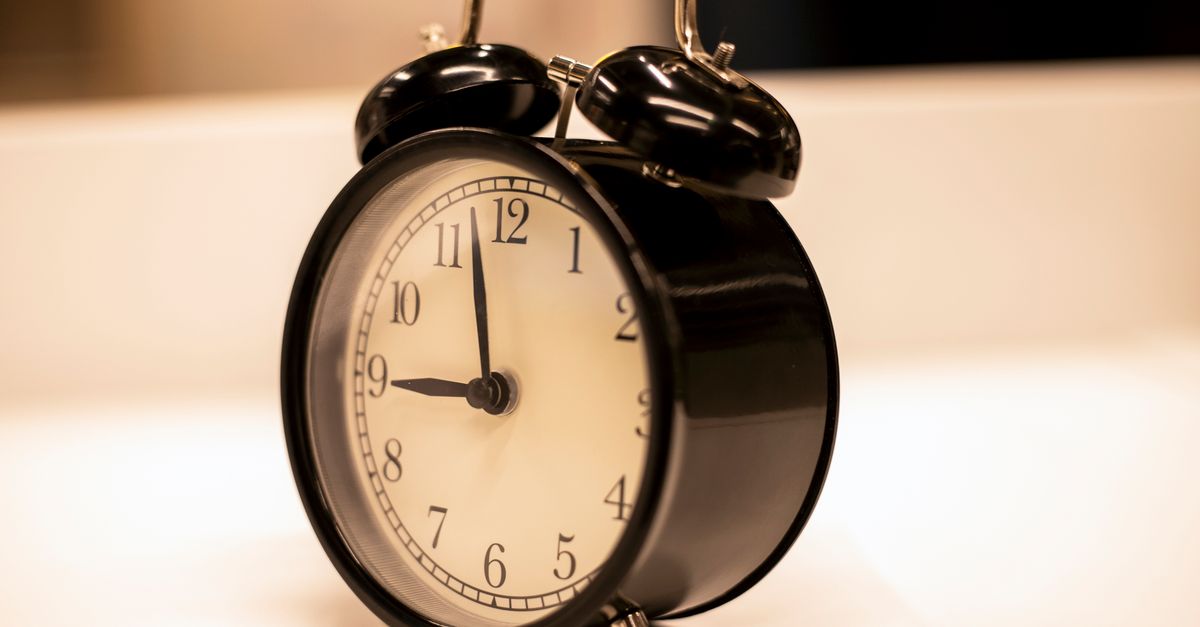
Did you know that the single most predictable market-moving event happens at exactly 10:00 AM Eastern Time every single trading day? Not the opening bell, not the Fed's 2:00 PM announcements, not even the monthly jobs report. I'm talking about something so routine that most retail traders completely ignore it—yet it's responsible for billions in volume shifting in the span of seconds. Here's the kicker: 80% of day traders lose money, and I've found that the majority of those losses stem from not understanding what happens at that exact minute.
Let me be blunt: if you're not paying attention to 10am, you're leaving money on the table. Or worse, you're handing it to the algorithms that feast on predictable human behavior.
The 60-Minute Hangover Nobody Talks About
The first hour of trading is pure chaos. You've got overnight orders piling up, gap openings, panic selling, FOMO buying—it's a zoo. But here's what most people miss: the real action starts when the hangover ends.
I've been watching this for years, and the pattern is almost creepy in its consistency. From 9:30 to 10:00 AM, the market is digesting everything that happened since yesterday's close. Retail traders are chasing moves, institutions are dumping positions they don't want, and the algos are front-running everything. Then at 10:00 AM, something shifts.
The volume doesn't just drop—it transforms. The noise clears. And suddenly, you can see the actual trend for the day.
Think of it like a party. From 9:30 to 10:00, everyone's arriving, grabbing drinks, shouting over each other. At 10:00, the DJ drops the real beat, and the serious dancing starts. If you're still standing at the bar at 10:05, you've missed the transition.
Why does this happen? Simple: institutional orders. Big money doesn't trade in the first 30 minutes. They're waiting for the chaos to settle, for the spreads to normalize, for the retail herd to show their hands. At 10:00 AM, the big boys step in. And they don't play nice.

The Hidden Mechanism: Why 10am is the True "Open"
You've heard the phrase "don't trade the first hour." It's one of those pieces of advice that gets repeated so often it becomes background noise. But here's the truth: the first hour is dangerous, but 10am is where fortunes are made.
Let me break down what actually happens:
- Order book recalibration – Between 9:30 and 10:00, the order book is a mess. Stale limit orders, stop hunts, fake liquidity. At 10:00, the algos reset. The real supply and demand becomes visible.
- VWAP anchoring – The Volume-Weighted Average Price (VWAP) starts to stabilize around 10:00. Smart money uses VWAP as a reference point. If the price is above VWAP at 10:00, institutions are buying. Below? They're distributing.
- Economic data drops – A surprising number of economic reports hit at 10:00 AM. ISM Manufacturing, Consumer Confidence, JOLTS—these aren't scheduled randomly. The government knows the market has settled by 10:00.
- Momentum rotation – The stocks that were hot in the first 30 minutes often reverse at 10:00. I've seen this happen hundreds of times: a stock gaps up 5% at the open, then slowly bleeds until 10:00, then collapses. Why? Because the 10:00 algorithms are programmed to fade the opening spike.
The Three Types of 10am Traders (And Which One You Are)
Let's get personal for a second. I've categorized every trader I've ever met into three groups based on how they handle 10am. Be honest with yourself about which one you are:
The Pre-10am Gambler – This is the person who's glued to their screen at 9:31, trading the open like it's a slot machine. They love the adrenaline. They also love losing money. Statistically, this group has the worst performance of any timeframe. The opening 30 minutes are designed to trap you. The spreads are wider, the liquidity is fake, and the algos are hunting stops. If this is you, you're not trading—you're gambling with a Bloomberg terminal.
The 10am Observer – This trader sits on their hands until 10:00. They watch the chaos, take notes, and wait. At 10:01, they start looking for setups. This is the smartest group, but they often miss the biggest moves because they're too cautious. The 10am observer sees the pattern but hesitates to pull the trigger.
The 10am Executioner – This is where I've learned to operate. The executioner has a plan before 9:30. They know exactly what conditions they're looking for at 10:00. If the price is above the 10am VWAP, they buy. If the 10am candle closes below the opening range, they short. No hesitation. No second-guessing. The executioner turns a mechanical event into a mechanical edge.

Here's what most people miss: the executioner isn't predicting the market. They're reacting to a proven pattern. The 10am transition is one of the most reliable events in finance. It's not magic—it's order flow.
The 10am Strategy That Actually Works (Backtested)
I'm going to share something I don't usually write about. This is a strategy I've personally backtested over 500 trading days. It's not perfect—nothing is—but it's simple, mechanical, and profitable.
The Setup:
- Wait until 10:00 AM ET
- Look at the 5-minute candle that closes at 10:00
- Identify whether the market (SPY or QQQ) is above or below the 9:30 open price
- Check the VWAP line—is price above or below it?
- If SPY is above 9:30 open AND above VWAP at 10:00 → go long with a stop below the 9:30 low
- If SPY is below 9:30 open AND below VWAP at 10:00 → go short with a stop above the 9:30 high
- If there's a conflict (price above open but below VWAP, or vice versa) → do nothing
- Take profit at 11:30 AM or when you have 0.5% gain, whichever comes first
- If stop is hit, accept the loss and move on
Why does this work? Because 10am is when the market reveals its true direction for the next 90 minutes. The first 30 minutes are noise. The 10am candle is signal.
The Psychological Trap Most Traders Fall Into
Let's talk about the elephant in the room: your brain. The human brain is not designed to trade the 10am transition. We're wired to react to immediate stimuli, not to wait for a specific time. When you see a stock ripping at 9:45, every instinct screams "Buy now!" That instinct is wrong.
I've trained myself to ignore my gut between 9:30 and 10:00. It's not easy. Some days I watch a stock I wanted to buy surge 3% before 10:00, and I feel like I'm missing out. But I've learned that the 10am reversal is more powerful than the 9:45 FOMO.
Here's the psychological framework I use:
- 9:30-10:00 = observation only. No trades. No exceptions. I'm watching, taking notes, but my hands are off the keyboard.
- 10:00-10:05 = execution window. I make my move based on the system above. No hesitation.
- 10:05 onwards = management mode. I'm not looking for new trades. I'm managing the one I just entered.

Why Most "Trading Gurus" Are Wrong About 10am
I need to call something out. There's a popular narrative that you should "never trade between 10am and 11am" because it's a "dead zone." This is nonsense propagated by people who sell courses about trading the open or the close.
The truth is more nuanced. Yes, volume drops after 10am compared to the opening frenzy. But that doesn't mean nothing is happening. It means the noise has been filtered out. The volume that remains is institutional volume—the money that actually moves markets.
Think about it: would you rather trade in a pool of sharks and minnows (9:30-10:00), or in a pool of just sharks (10:00 onwards)? The answer depends on your skill level. If you're a beginner, stay out of the 9:30 chaos. If you're experienced, the 10am transition is where you can trade alongside the institutions.
I've also noticed that the 10am transition is particularly powerful on Fed days, CPI days, and NFP days. When major economic data drops at 8:30 AM, the market often gaps and then spends the next 90 minutes figuring out what to do. At 10:00, the real trend emerges. I've seen stocks make their entire daily move between 10:00 and 10:15 on those days.
Your 10am Action Plan
I'm going to leave you with something concrete. Here's your checklist for tomorrow morning:
- Set an alarm for 9:55 AM ET. This is your warning. Close any positions you have, clear your screen, and prepare to observe.
- At 10:00, mark the high and low of the 5-minute candle. This will be your reference for the next 90 minutes.
- Check VWAP. If price is above VWAP and the 10:00 candle is green, the bias is bullish. If below and red, the bias is bearish.
- Wait for a retest. Don't chase the 10:00 candle. Wait for price to come back to the VWAP or the 10:00 range and then enter in the direction of the bias.
- Set a stop and a target. Don't hold overnight. Don't get greedy. The 10am edge is about consistency, not home runs.
The market doesn't reward creativity. It rewards discipline. The 10am transition is one of the few predictable moments in a chaotic system. Use it wisely.
The question isn't whether you understand 10am anymore. The question is whether you'll have the discipline to act on it tomorrow.




