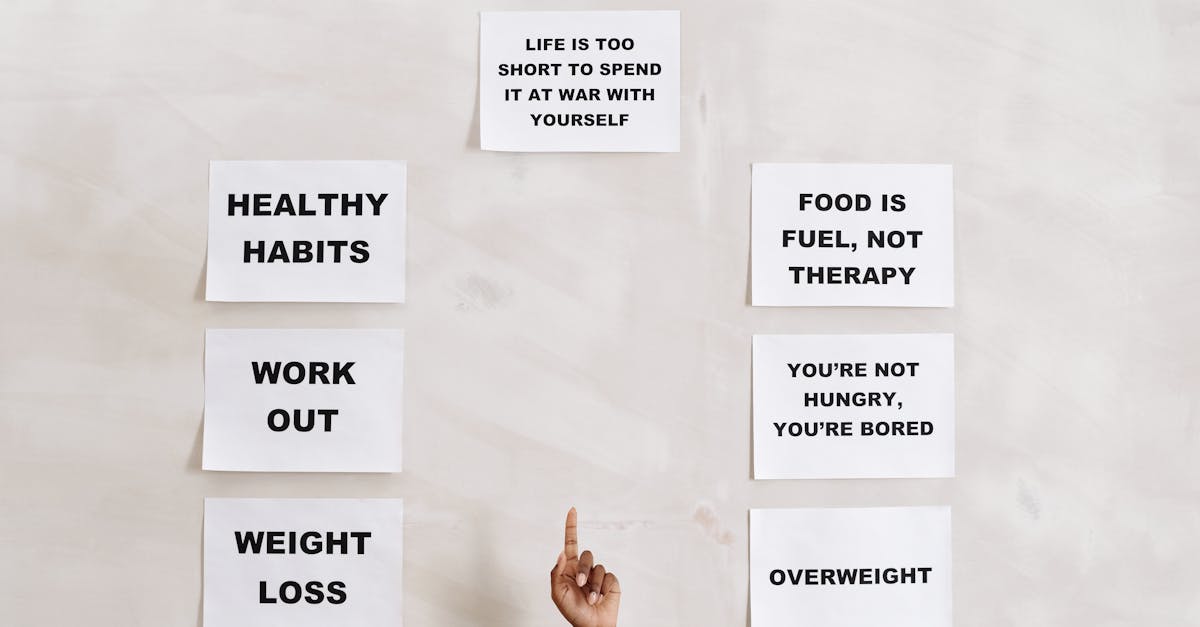
My kitchen counter used to be a graveyard of half-finished intentions. A dusty journal. A meditation app I'd opened exactly twice. A water bottle I kept forgetting to fill. Every January I'd swear this was the year I'd finally get my act together, and every February I'd quietly abandon the whole project.
Then a behavioral scientist friend said something that stuck: "You're not failing at habits. You're failing at sizing them." She was right. I'd been trying to overhaul my entire life in one heroic leap instead of building it one absurdly small brick at a time.
That conversation sent me down a rabbit hole of research on tiny habits — the micro-behaviors that seem almost too small to matter but compound into real change. And with 2026 creeping up on us, there's no better time to start. Here are ten habits behavioral scientists keep pointing to, and why they actually work.
The Two-Minute Rule That Rewires Your Brain
BJ Fogg, the Stanford researcher behind the Tiny Habits method, argues that behavior change happens when you make a habit so small it feels almost silly. His rule? Shrink any new habit until it takes under two minutes.
Want to read more? Read one page. Want to exercise? Put on your sneakers. Want to journal? Write one sentence.
I've found this ridiculously effective — not because two minutes changes anything on its own, but because it removes the friction that kills momentum. Once you're doing the thing, you usually keep going. The hard part was never the activity. It was starting.

Stack Your Habits Like Dominos
Here's what most people miss: new habits don't stick in a vacuum. They stick when you anchor them to something you already do automatically.
This is called habit stacking, and it's the backbone of James Clear's Atomic Habits. The formula is dead simple: After I [existing habit], I will [new tiny habit].
- After I pour my morning coffee, I'll write down one thing I'm grateful for.
- After I brush my teeth, I'll do ten squats.
- After I sit down at my desk, I'll clear one email.
The Science of the 20-Second Friction Rule
Behavioral economists love talking about friction — the tiny obstacles between you and a behavior. The research suggests that even 20 seconds of added effort can dramatically shift what you do.
Want to scroll less? Log out of the app so you have to type your password. Want to snack better? Put the fruit on the counter and the chips on the top shelf.
The genius here is that you're not relying on discipline. You're engineering your environment so the good choice is the easy choice. Let's be honest — we're all a little lazy. Might as well make laziness work for us.

One Minute of Stillness Beats an Hour of Trying
Meditation has a reputation problem. People picture monks on mountaintops or 45-minute sessions they'll never sustain. But the science on brief mindfulness practices is genuinely encouraging — even a single minute of slow breathing can lower stress markers and improve focus.
The tiny habit version: one minute of stillness before you check your phone in the morning. That's it. No app required. No cushion. Just sixty seconds of not immediately flooding your brain with notifications.
I'll be real — I resisted this for months. It felt too small to count. But the point isn't the minute. It's the pattern of pausing before reacting, which slowly bleeds into the rest of your day.
Name It, Tame It: The Labeling Habit
Psychologist Matthew Lieberman's research on "affect labeling" shows that simply naming an emotion reduces its intensity. When you're frustrated and you say "I'm frustrated," your brain's alarm system quiets down a notch.
The tiny habit? When you notice a strong feeling, name it in one word. Not a paragraph of self-analysis. Just: anxious. Irritated. Hopeful.
It sounds almost too basic. But this is one of those habits that transforms your relationship with your own mind over time. You stop being hijacked by feelings and start observing them.

The Gratitude Note Nobody Talks About
Gratitude journaling gets recommended so often it's become background noise. But there's a version that's more powerful than the standard list: *writing one sentence about why something good happened.
Researchers have found that explaining the cause behind a positive event deepens the effect. Instead of "grateful for my friend," you write "grateful my friend called because she remembered I had a rough week."
That tiny shift from what to why is where the real emotional compounding happens.
Move Before You Think You Should
You don't need a gym membership to benefit from movement. Behavioral scientists keep finding that short bursts of activity — even a two-minute walk — improve mood, creativity, and decision-making.
The habit: stand up and walk for two minutes after every hour of sitting. Set a timer if you need to. It's not a workout. It's a reset.
And here's the sneaky part — once you're up, you often walk longer than you planned. The hardest step is always the first one.
The Power of a Pre-Commitment Sentence
One tiny habit that's changed how I plan my days: writing one sentence the night before about what "done" looks like tomorrow.
Not a to-do list. One sentence. Tomorrow, done means finishing the draft and taking a real lunch break.*
This single sentence does two things. It gives your brain a clear target, and it prevents the vague, swirling anxiety of not knowing when to stop. Behavioral science calls this implementation intention — deciding in advance how you'll act — and it's one of the most reliable predictors of follow-through.
Sleep's Tiny Gatekeeper
We treat sleep like a switch we flip at bedtime, but it's really a runway. The tiny habit: dim your lights and put screens away 30 minutes before bed. Just thirty minutes.
I know. Everyone says this. But the research on light exposure and melatonin is rock solid, and the habit itself is small enough to actually attempt. You're not overhauling your evening — you're just softening the landing.
The 2026 Payoff Is Boring (and That's the Point)
Here's the truth nobody puts on a motivational poster: tiny habits don't feel like transformation while you're doing them. They feel like nothing. A page. A minute. A sentence. A walk to the kitchen.
But stack a few of those nothings across two years, and by 2026 you won't recognize the person who used to start over every January. The science is clear — consistency beats intensity, and small is the only size that survives real life.
So pick one. Just one. Start it tomorrow. And when you catch yourself wanting to go bigger, remember what my friend told me in that kitchen: you're not failing at habits. You're just sizing them wrong.
Which one are you starting with? I'd genuinely love to know — drop it in the comments and let's hold each other to it.





