I almost had a panic attack in the cereal aisle.
Not because of the prices — though, let's be honest, those are terrifying too. No, I was paralyzed by options. Forty-seven kinds of granola. Organic, gluten-free, keto-friendly, high-protein, low-sugar, with ancient grains, without ancient grains, in a box designed by someone who clearly studied minimalist aesthetics but missed the memo on actual minimalism.
I stood there for seven minutes. Seven. Minutes. Over cereal.
That's when I realized: minimalism isn't about owning less stuff. It's about having fewer decisions that drain your soul — and your bank account.
Here's what most people miss: the "minimalist lifestyle" influencers with their white couches and single ceramic mug aren't saving that much money. They're just good at making poverty look aesthetic. Real minimalist habits that save cash? They're grittier, weirder, and way more effective than throwing away your Tupperware collection.
Let's get into the ten habits that actually moved the needle for me — and stopped me from having existential crises in grocery stores.
The 80/20 Wardrobe Rule (That Saved Me $600 in Year One)
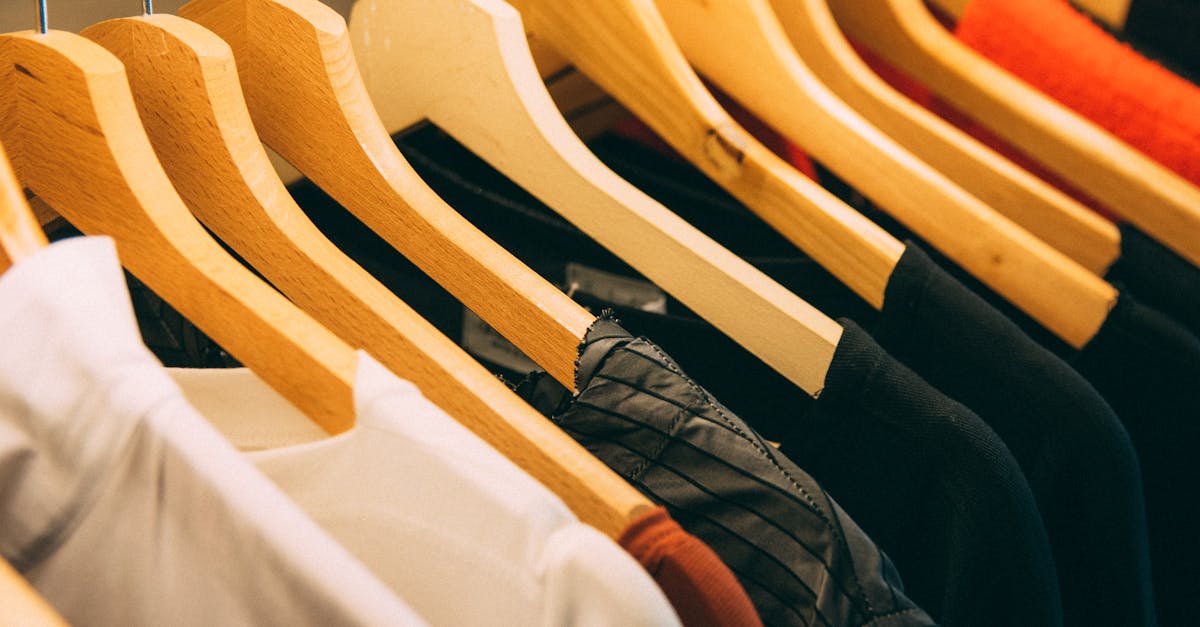
I used to have a closet full of "options." You know the drill: clothes for every possible scenario, including that fantasy life where you're invited to a yacht party and a black-tie funeral in the same weekend.
Here's the truth: you wear 20% of your clothes 80% of the time. The rest? They're just expensive dust collectors.
I flipped my closet. Everything went into boxes. For two weeks, I only wore what I naturally reached for. The result? I kept 28 items total. Sold the rest on Poshmark. Made back $340. And here's the kicker: I stopped buying clothes for six months because I finally knew what I actually liked.
The stress reduction is real too. No more "I have nothing to wear" while staring at a mountain of unworn nonsense. My morning routine dropped from 15 minutes to 90 seconds.
The "One In, One Out" Rule — But With a Twist
Everyone talks about this rule. Buy a new pair of shoes? Donate an old pair. Simple, right?
Wrong. That's maintenance, not progress.
Here's what actually works: for every new thing you bring in, remove two things. Not one. Two. This creates a gradual reduction over time. You're not just maintaining the chaos — you're shrinking it.
I applied this to my kitchen gadgets. Bought an Instant Pot? Bye-bye rice cooker, slow cooker, and that weird egg cooker I used exactly once. My counter space doubled. My stress halved. And I saved money because I stopped buying "solution" products for problems that didn't exist.
The 24-Hour Cart Rule (My Personal Favorite)
Impulse buying is a tax on impatience. The math is brutal: retailers make billions off the 3-second gap between "I want that" and "I bought that."
My hack? Nothing goes in the actual cart. Everything goes in the "Saved for Later" list. Then I wait 24 hours.
You'd be shocked how much you don't actually want. My Amazon spending dropped 40% in the first month. The stuff I did buy? I actually needed it. No returns. No regret. No $40 worth of fancy notebooks I'll never write in.
Pro tip: do this for subscriptions too. Before you sign up for another streaming service, wait 72 hours. You'll realize you already have three shows you haven't finished.
The "Cost Per Use" Calculator You Need in Your Head
That $200 coat? If you wear it twice a week for three winters, that's about $0.64 per wear. A bargain.
That $5 coffee? If you drink it every morning for a year, that's $1,825. Not a bargain.
The real minimalist move isn't "buy less." It's "buy better for longer." I stopped buying cheap Amazon basics and started investing in things that last. My $80 cast iron skillet will outlive me. My $15 "non-stick" pan lasted eight months.
Here's the math that changed my life: I'd rather own 10 high-quality things I love than 50 mediocre things I tolerate. The first option costs less over five years and causes zero stress when things break.

The Kitchen Inventory Reset (AKA Stop Buying What You Already Have)
I was that guy who bought three jars of cumin because I couldn't find the first two. My pantry was a black hole of duplicate purchases and expired canned goods.
The fix was brutal but effective: empty everything onto the counter. Group like items. See what you actually own.
The result? I had seven cans of black beans. Four bags of rice. Enough pasta to feed a small army. I didn't buy groceries for two weeks. Saved $120 immediately. And I stopped the "I think I'm out of X" panic purchases forever.
Now I keep a whiteboard on my fridge with an inventory of staples. Takes two minutes to update. Saves hours of stress and hundreds of dollars a year.
The "No" Budget for Social Obligations
This one's uncomfortable but necessary.
We spend money because we feel obligated. Dinner with friends we don't enjoy. Gifts for coworkers we barely know. Events we'd rather skip but attend because FOMO is real.
Minimalism means saying "no" to things that don't serve you. I started declining invitations that didn't genuinely excite me. My social spending dropped 60%. And the weirdest part? My friendships got better. The people who mattered understood. The ones who didn't? Problem solved.
You're not being rude. You're being selective with your time and money. Both are finite.
The Digital Declutter (Yes, This Saves Money)
Your phone is a leaky faucet of cash. Notifications, ads, "limited time offers" — every ping is designed to separate you from your money.
I did a full digital detox: unsubscribed from all retail emails, turned off notifications for shopping apps, and deleted social media from my phone. The result? I stopped seeing things to buy. Out of sight, out of mind, out of wallet.
Bonus: I gained back about 45 minutes of screen time per day. That's 273 hours a year. Imagine what you could do with that time — or the money you'd save not scrolling through targeted ads.

The "Wait Until It Breaks" Philosophy
We replace things that still work. The shirt with one missing button. The slightly slow laptop. The phone with a cracked screen that still functions.
Minimalist spending means using things until they're actually unusable. I kept my iPhone for four years. Replaced the battery once for $50. The screen for $80. Total cost: $130. New phone? $1,000.
Same with clothes. I learned to sew a button. Patch a hole. Suddenly, my wardrobe lasts twice as long. The stress of "keeping up" vanishes when you realize most people aren't looking at your stuff anyway.
The "No New Hobby" Rule
Every new hobby costs money. Running? Need shoes. Knitting? Need yarn. Photography? Need a camera.
I made a rule: no new hobby without first selling gear from an old one. Want to try pottery? Sell the bread maker you used twice. This creates a natural filter. If you're not willing to let go of an old hobby, you probably don't want the new one that badly.
Saved me from three expensive rabbit holes last year alone.
The "Enough" Check-In
This is the hardest habit. Minimalism isn't about having nothing. It's about knowing when you have enough.
Before every purchase, I ask: "Will this make my life noticeably better, or just different?" Most things are just different. New phone? Different. Same apps, same problems, slightly faster. New couch? Better, if your current one is broken. Just different, if you're chasing a vibe.
The stress reduction here is massive. You stop chasing. You start appreciating what you already have. And you save money because you stop buying upgrades that don't actually upgrade anything.
Here's the thing nobody tells you about minimalist habits: they're not about deprivation. They're about freedom from the noise. Less stuff means less cleaning, less organizing, less worrying. Less spending means less working. Less stress means more living.
Start with one habit. Try the 24-hour cart rule this week. See how it feels. Then add another. Before you know it, you'll have more money, more time, and way less anxiety about that cereal aisle.
Because honestly? The goal isn't to own less. It's to want less. And that's where the real savings begin.