
You know that feeling when you hit 2 PM and your brain feels like it’s running on dial-up? You reach for the third coffee, but honestly, you’re just spinning your wheels.
We usually blame a busy schedule or a bad night's sleep. But here’s the kicker: the average person loses up to 40% of their daily energy to invisible micro-leaks. It’s not the big project that wipes you out; it’s the tiny, seemingly harmless habits you do on autopilot that are siphoning your battery dry before dinner.
I’ve been there. I used to think I was just "tired by nature." But after tracking my own energy slumps, I realized I was the one leaving the faucet running. Let’s find your leaks.
The "Open Tab" Syndrome: Your Brain Is Overheating
Let’s start with the elephant in the room—or rather, the elephant in your pocket.
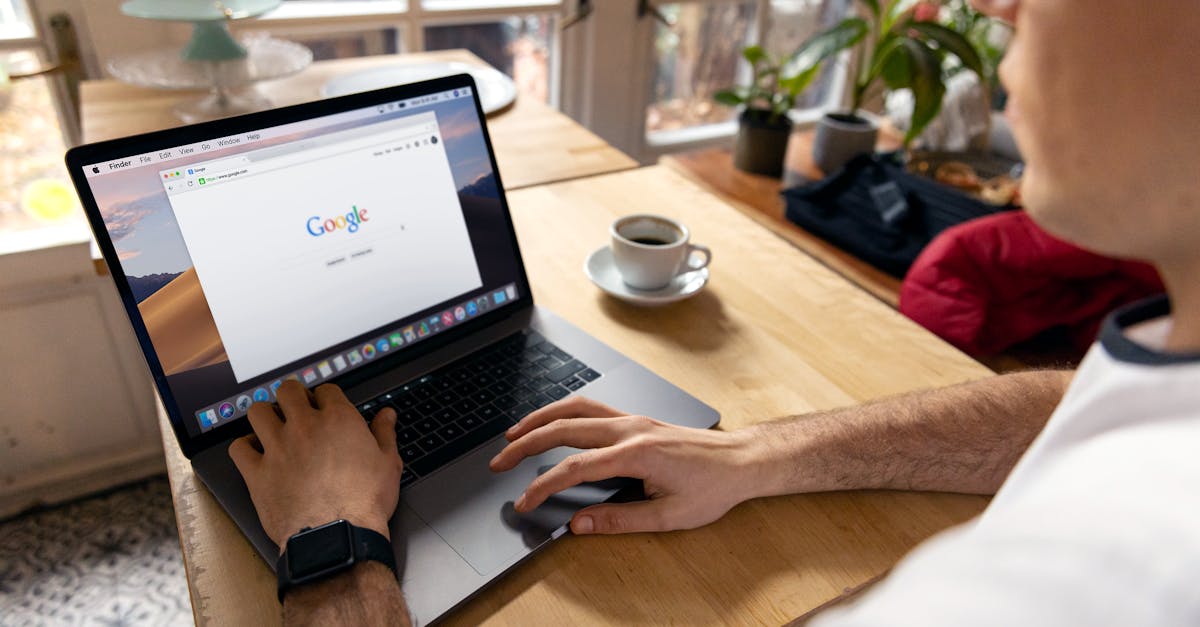
We all do it. We listen to a podcast while scrolling Twitter, while answering a Slack message, while eating lunch. Multitasking feels productive, but it’s actually just rapid-task-switching. Every time you shift focus, your brain burns glucose to re-orient itself.
Here’s what most people miss: The act of switching is more exhausting than the tasks themselves. I’ve found that a 30-second check of my phone during work costs me about 15 minutes of deep concentration afterward.
The Fix: Implement "Single-Tasking" blocks. Set a timer for 25 minutes. On a piece of paper, write down every intrusive thought that pops up (you’ll deal with it later). Then, close the extra tabs. Your brain isn't a computer—it can't handle 15 tabs without smoking.
The "Vampire" Content Diet
What you consume isn't just entertainment; it's fuel. And a lot of us are running on diesel.
I’m not just talking about news (though doomscrolling is a certified energy killer). I’m talking about passive consumption. Scrolling through beautifully curated lives on Instagram or watching reaction videos on YouTube puts your brain in a weird state of "high alert, zero action." It triggers dopamine, but it doesn't satisfy the reward center. You end up feeling restless and drained.
Let’s be honest: that show you’re "watching" while checking your email? That’s not rest. That’s noise.
The Fix: Swap one hour of passive scrolling for active rest. Read a physical book. Go for a walk without music. Do a puzzle. Active rest engages your brain in a linear, calming way, whereas passive consumption fragments your attention span. It feels weird for the first week, but the difference in your wakefulness is night and day.
Decaf Decisions: The 3 PM Mental Crash
You might think you're saving energy by not making "unnecessary" decisions. But have you ever stood in the grocery aisle, staring at 15 types of peanut butter for five minutes?
This is "Decision Fatigue." Every tiny choice—what to wear, what to eat, what font to use—wears down your willpower. By the time you need to make a big, important decision, you're out of juice.
The Fix: It’s time to automate the trivial. I’ve found that creating a "uniform" (Steve Jobs style) or sticking to a "Meal Prep Monday" routine frees up massive mental bandwidth.
Here’s a quick checklist to stop the bleed:
- Pick a daily outfit the night before.
- Eat the same breakfast every day (fuel is fuel).
- Schedule "Open Hours" for email instead of checking it constantly.
The Posture of Defeat (And Energy)
This one sounds like a sales pitch for a chiropractor, but hear me out.
Your body sends signals to your brain. When you slouch—shoulders rolled forward, head tilted down at a screen—your brain gets the chemical signature of a "low-power" state. It literally releases more cortisol (stress) and less testosterone (energy/confidence).
I’ve found that the difference between feeling "blah" and feeling "ready" is often just the angle of my sternum. You can't think your way out of a slump if your physical frame is screaming "surrender."
The Fix: Set a timer to check your posture. But don't just "sit up straight" (that’s rigid and exhausting). Instead, do a "Shoulder Roll Reset." Roll your shoulders back and down, imagine a string pulling the top of your head to the ceiling, and tuck your chin slightly. Hold it for 10 seconds. It’s a micro-dose of alertness that costs nothing but a second of attention.
The "Snooze" Button Sabotage
We've all been guilty of this. The alarm goes off at 6:30 AM. You hit snooze. At 6:39, you hit it again. At 6:48, you jolt awake in a panic.
Here’s the science nobody tells you: Hitting snooze fragments your sleep architecture. You’re not getting "extra rest"; you’re getting broken, low-quality REM sleep that leaves you groggier than if you’d just gotten up at the first alarm.
That fuzzy "sleep inertia" can follow you for hours, making you feel like you’re wading through mud.
The Fix: Place your alarm clock (or phone) across the room. You physically have to get up to turn it off. By the time you walk 5 steps, your brain has engaged your motor cortex. The urge to sleep is gone. If you want to be fancy, use a light-based alarm that simulates sunrise. It’s a gentler wake-up than the fire alarm blare.

The "Yes" Man (and Woman) Trap
This is the biggest energy leak of all, and it’s a tough one to plug.
We say "yes" to lunch dates we don't want, to extra projects at work, to favors for friends we don't have time for. Why? Because we want to be nice. We want to avoid conflict.
But every time you say "yes" to something you don't want to do, you say "no" to yourself. That resentment builds up, and it’s heavy. It’s the feeling of being "busy but unfulfilled." It drains you faster than any workout.
The Fix: Try the "Soft No." You don't have to be rude. You say, "I can't commit to that right now, but I appreciate you thinking of me." Or, "That doesn't work for my schedule, but I hope it goes great!"
Here’s the secret: People respect boundaries. The only person who is upset by your "no" is the person who was trying to take advantage of your time. Guard your energy like it’s your last $20. Once you spend it, it’s gone.
The Bottom Line: It’s About Subtraction
We live in a culture that tells us to add—more productivity hacks, more apps, more supplements. But sometimes, the most radical thing you can do is subtract.
Your energy isn't a bottomless well. It’s a finite resource, and you’re the only one who gets to decide where it flows.
Try picking just one of these habits today. Just one. Turn off the notifications for a single hour. Say "no" to one thing you dread. Watch how quickly the fog lifts. You might just find that the energy was there all along—you were just letting it leak out of a tiny hole in the bucket.





