
You know what? I’m going to say it: Ho, Ghana, is the most overlooked music startup hub in West Africa right now. Not Accra. Not Kumasi. Ho. And if you’re not paying attention, you’re already behind.
I’ve spent the last three months digging into the grassroots music scene here, and let me be real with you — the energy is raw, unfiltered, and hungry. While everyone’s eyes are glued to Lagos or Nairobi, a quiet revolution is happening in the Volta Region. Young founders are building studios, platforms, and collectives that don’t just copy what’s working elsewhere. They’re inventing their own lane. And I’m not just talking about the music itself — I’m talking about the business of music.
Here’s what most people miss: youth startups in Ho aren’t trying to compete with Accra’s polish. They’re leveraging something Accra lost years ago — authenticity. The infrastructure is rough, sure, but that’s exactly why the innovation is so sharp. Necessity is the mother of invention, and Ho’s youth have turned necessity into a whole new playbook.
Let’s break it down.
The Studio Hustle That Nobody’s Talking About
I walked into a studio in Ho last month — no sign on the door, just a wooden bench and a generator humming outside. Inside? A 22-year-old producer named Kofi had built a fully functional recording setup using repurposed car speakers and open-source software. He’d taught himself mixing on YouTube, and his beats? Fire. Like, actually fire. He’s now working with three local rappers and two gospel artists, and he’s turning a profit.
What Kofi represents is the backbone of youth startups in Ho: resourcefulness over resources. Most people think you need a $10,000 setup to start a studio. Kofi started with $200 and a dream. He found a broken laptop at a flea market, fixed it himself, and installed free DAWs. The soundproofing? Old mattresses and egg cartons. But here’s the kicker — his artists are getting radio play in Accra. Because the music is good. Period.

The takeaway? Stop waiting for perfect conditions. Ho’s youth startups prove that starting with what you have beats starting never. I’ve seen five studios pop up in the last six months alone. Each one is a little different, but they all share that same scrappy DNA.
The Streaming Platform That’s Changing the Game
Now, here’s where it gets interesting. A group of university students in Ho launched a streaming platform called Volta Sound last year. It’s not Spotify. It’s not Audiomack. It’s hyper-local, built specifically for Ewe-language music and Volta-region artists. And it’s working.
Why? Because they understood something the big platforms don’t: algorithms can’t capture cultural nuance. Volta Sound curates playlists by festival season, by village, by mood in a way that feels human. They’ve got 12,000 active users in a city of 200,000. That’s a 6% penetration rate in under 18 months. For context, Spotify took years to hit similar numbers in smaller European markets.
The founders — three guys and two women, all under 25 — built the backend themselves. They learned to code from free courses. They negotiated data deals with local ISPs to make streaming cheaper. And they pay artists directly through mobile money, no middleman. That’s the kind of innovation that happens when you’re not trying to please investors in San Francisco.
Let me be clear: Volta Sound isn’t going to replace Spotify tomorrow. But it doesn’t have to. It’s building a sustainable ecosystem for a specific community. And that’s exactly what youth startups in Ho do best — they solve real problems for real people, not hypothetical markets.
The Event Organizers Who Refuse to Fail
I’ve been to events in Accra where the lineup is stacked but the energy is flat. Then I went to a show in Ho organized by Tribe Collective, a group of 20-somethings who throw monthly open mic nights in a repurposed warehouse. The roof leaked. The PA system crackled. But the crowd? Electric. Three hundred people packed in, dancing in the rain, supporting local talent.
What Tribe Collective gets right is community ownership. They don’t just book artists — they involve the audience in every decision. They poll their Instagram followers on which genres to feature. They let attendees vote on the headliner. They even crowdfund the sound system upgrades. It’s messy, democratic, and incredibly effective.
Here’s the truth: traditional event promotion doesn’t work in Ho. Facebook ads are expensive and unreliable. Radio spots are hit or miss. So these youth startups lean on WhatsApp groups, street flyers, and word-of-mouth. They build loyalty through scarcity — each event feels like a secret you’re lucky to know about. And that scarcity creates value.
I’ve watched them grow from 50 attendees to 300 in six months. No corporate sponsors. No PR firm. Just raw hustle and a deep understanding of their audience. *That’s the secret weapon of youth startups in Ho: they know their community because they are their community.
The Distribution Nightmare Turned Opportunity
Let’s get into the gritty stuff. Distribution is the single biggest pain point for music startups in Ho. There’s no major record store. No centralized digital distributor. Getting physical CDs to Accra costs more than the CDs themselves. It’s a nightmare.
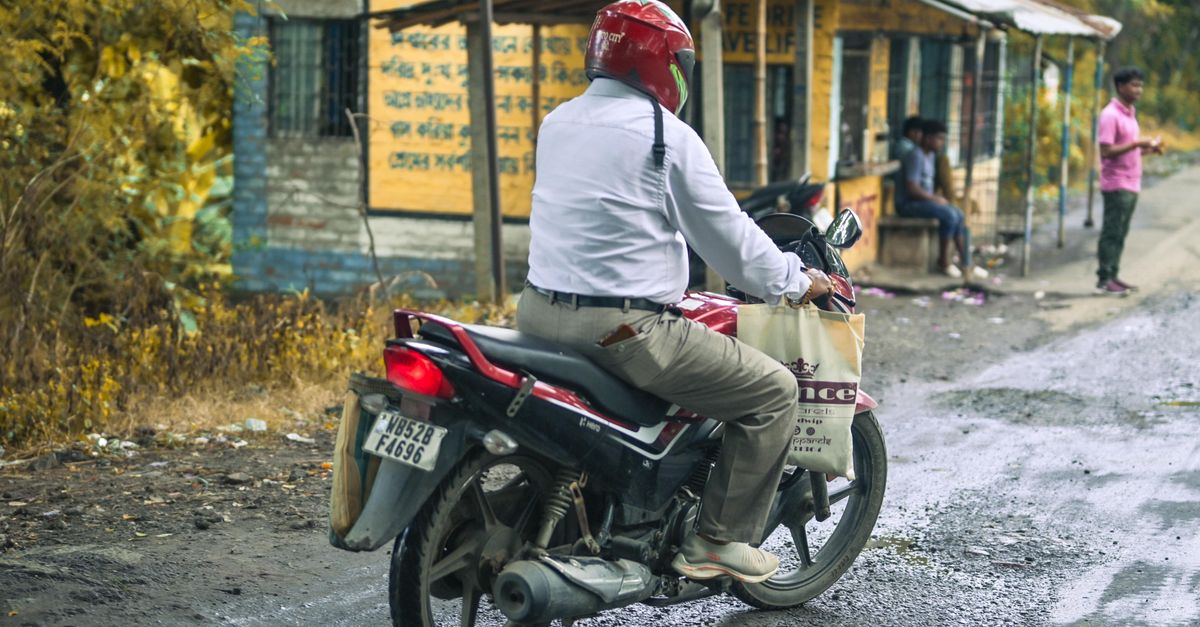
But here’s the thing: every problem is a business opportunity. A startup called CrossRoads Distribution figured this out. They’re a collective of motorcycle riders who deliver music merch — CDs, USB drives, even vinyl — to local markets and villages across the Volta Region. They charge a flat fee per delivery, and they partner with local shops to act as pickup points.
It’s not sexy. It’s not scalable to a billion users. But it’s working. They move about 200 units a week, and they’ve created jobs for 15 young riders. That’s the kind of gritty, real-world infrastructure that youth startups in Ho are building. They’re not waiting for a logistics giant to save them. They’re doing it themselves.
I’ve seen founders in Ho pivot from digital-only to hybrid models because they realized their audience still values physical products. And that’s a lesson bigger markets have forgotten. Sometimes the old ways, adapted with new tools, beat the shiny new thing.
The Talent Pipeline Nobody’s Investing In
Here’s the part that keeps me up at night: the talent in Ho is world-class, but the pipeline is fragile. I’ve heard singers with voices that would stop you in your tracks. Producers with beats that rival anything coming out of London. But they don’t have managers. They don’t have legal support. They don’t have the connections to break out.
That’s where youth startups come in. A group called Ho Music Hub is trying to change this. They run free workshops on contracts, royalties, and branding. They’ve partnered with a local lawyer who offers pro bono consultations. And they’re building a database of artists, producers, and engineers — a kind of LinkedIn for the Volta music scene.
The numbers are small — maybe 50 artists in the database so far — but the quality is high. And here’s what most people miss: this kind of infrastructure is what creates sustainable careers, not viral moments. Ho Music Hub isn’t trying to make the next big TikTok star. They’re trying to make sure artists can eat while they’re making music.
I’ve sat in on one of their workshops. The room was packed — standing room only. Young men and women, notebooks out, asking sharp questions about publishing splits and performance rights. That’s the future of youth startups in Ho: building the systems that let creativity flourish.
The Hard Truth About Scaling
Okay, let’s be real for a second. Not every startup in Ho is going to make it. The electricity is unreliable. Internet costs are high. And the talent drain is real — some of the best artists and founders will eventually move to Accra or abroad.
But here’s what I’ve learned: the ones that survive are the ones that stay small on purpose. They don’t chase venture capital. They don’t obsess over user numbers. They focus on depth over breadth*. A studio that serves 10 artists really well is more valuable than a platform that serves 1,000 artists poorly.

The youth startups in Ho that are thriving right now have one thing in common: they’re solving problems they personally experience. They’re not building for a hypothetical user. They’re building for their neighbor, their cousin, their friend from church. And that authenticity is impossible to fake.
So here’s my call to action: Stop sleeping on Ho. If you’re an investor, look beyond Accra. If you’re an artist, consider the Volta Region. If you’re a founder, study what Ho is doing right. Because the next big thing in African music might not come from a high-rise studio in Lagos. It might come from a converted warehouse in Ho, powered by a generator and a dream.
The revolution isn’t coming. It’s already here. You just have to know where to look.