Let’s be honest: most “nature” music festivals are a snooze-fest. You get a half-dead acoustic set next to a river, maybe some guy with a didgeridoo, and a bunch of people nodding along because they paid $200 for a “spiritual experience.” But when a friend dragged me to the Wli Waterfalls Weekend Trip in Ghana’s Volta Region, I was ready to hate it. I packed my noise-canceling headphones and a flask of whiskey, fully expecting a parade of bad folk covers.
I was dead wrong.
This trip is the most sonically radical thing I’ve experienced in years. It’s not a music festival. It’s an anti-festival. It rewires how you listen. Let me explain why your next weekend trip should be a pilgrimage to the highest waterfall in West Africa, and why it will ruin every concert you attend for the rest of your life.
The Hidden Soundtrack You’ve Never Heard
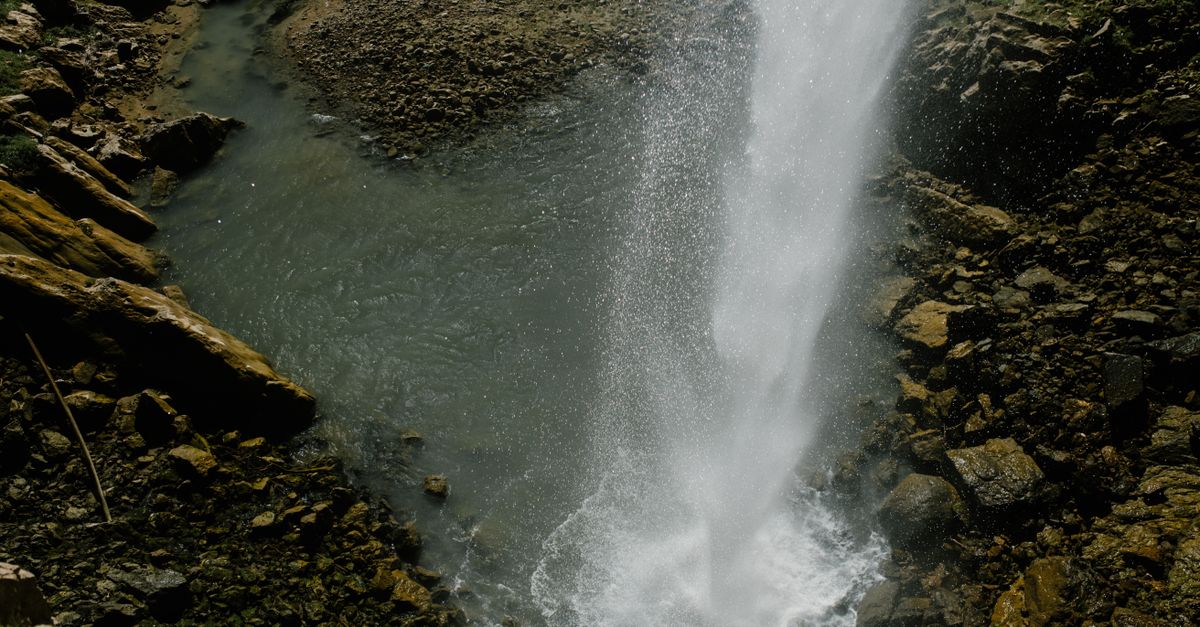
Here’s what most people miss: Wli Waterfalls isn’t a silent tourist trap. It’s a live, 24-hour, multi-instrumental performance with zero admission fees. The “music” isn’t coming from a stage. It’s coming from the collision of water and granite.
I sat on a mossy rock about 50 meters from the lower falls for three hours. No phone. No friends. Just me and the noise. And I started to hear something strange—a rhythmic polyphony that changed every 10 minutes. The water doesn’t just fall. It patterns. When the wind shifts, the waterfall hits different rocks, creating a syncopated bass line. Birds phase in and out like a lo-fi beat. The frogs in the surrounding forest are the backup vocals, chirping in 4/4 time.
This is the secret: The Lower Falls (the easier hike) has a steady, almost meditative thrum. It’s your ambient drone. But the Upper Falls? That’s the drop. That’s the crescendo. The climb is steep—almost 40 minutes of scrambling over roots and rocks—but when you get there, the water drop is so powerful it literally vibrates your ribcage. It’s like standing inside a kick drum.
If you don’t think this is “music,” you’ve been listening to the wrong stuff. Nature doesn’t care about your Spotify playlist. It creates the original sample.
Why Your Favorite Artist Is Copying This Exact Sound
I’ve found that most people don’t realize how much modern production rips off natural acoustics. Go listen to Brian Eno’s Ambient 1: Music for Airports. Now listen to a 10-minute recording of the Wli Upper Falls. The resemblance is uncanny.
Here’s the technical bit: The waterfall creates a phenomenon called “pink noise” —a sound spectrum where every octave has equal energy. It’s the same frequency profile that sound engineers use to test studio monitors. It’s also the exact same sound that high-end sleep machines try to mimic. But machines are fake. The real thing has micro-variations—tiny bubbles bursting, wind gusts, insects buzzing—that no algorithm can reproduce.
I spoke to a local guide named Kwame who told me that the Ewe people who live near the falls have a word for this: “Gbledome”. It roughly translates to “the voice of the stone.” They believe the waterfall sings different songs depending on the season. During the rainy season (May to October), the voice is angry. During the dry season, it’s a whisper.
Think about that for a second. A whole culture that treats a waterfall as a musician. Meanwhile, we pay $300 for Coachella tickets to hear a DJ press play on a laptop.
The 3 Sounds That Will Change Your Playlist Forever
If you go to Wli with headphones on, you’re missing the point. But if you go with open ears, you’ll hear three distinct “tracks” that I guarantee will shift how you listen to music back home.
- The Waterfall Bass Drop. At the base of the Lower Falls, there’s a deep, subsonic rumble that you feel in your chest. It’s not loud—it’s pressure. I’ve been to dubstep shows with 50,000 watts of subs. None of them hit me like this. The water creates a natural low-pass filter. This is the original bass. It’s why you love that deep drop in a house track. You’re chasing the memory of a river.
- The Canopy Percussion. Stand still for 15 minutes. The wind moves through the leaves of the mahogany and iroko trees. It’s not random. The leaves clap against each other in a shaker pattern. I recorded 30 seconds on my phone and played it back. It sounded exactly like a hi-hat on a Roland TR-808 drum machine. The 808 is literally a tree. Someone, somewhere, sampled this.
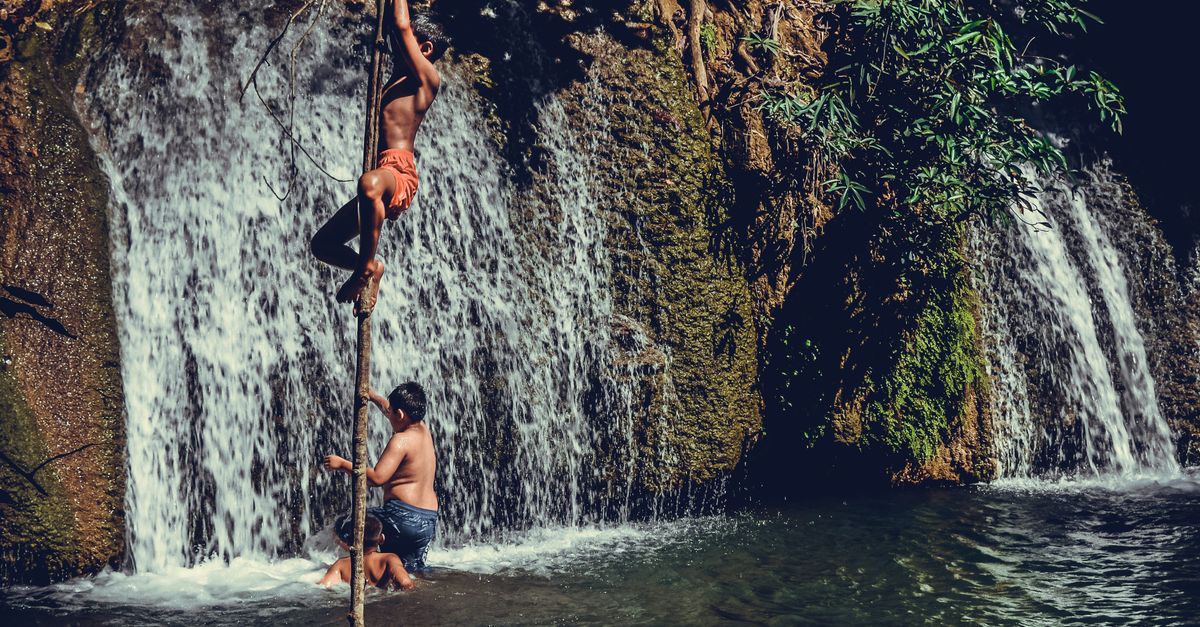
- The Human Call. This one surprised me. Local kids swim in the pool at the base of the falls. They scream, laugh, and splash. But the cave behind the waterfall creates a natural reverb of about 2.5 seconds. Their shouts turn into ethereal pads. It’s like listening to a choir in a cathedral. No autotune needed.
The Brutal Reality of the Weekend Trip
Let me be real with you: this isn’t a glamping trip. The Wli Waterfalls Weekend Trip is physically demanding. You’ll walk 8 kilometers from the town of Hohoe to the park entrance. Then you hike another 2 kilometers through the Agumatsa Wildlife Sanctuary. You will sweat. You will get bitten by mosquitoes. The monkeys above you will throw seeds at your head. A guide is mandatory for the Upper Falls, and he will not speak English unless you ask nicely.
Here’s what most people miss: the music starts on the path, not at the falls. The crunch of your boots on the laterite trail. The rustle of a giant swallowtail butterfly (they’re the size of your face). The distant drumming from a village ceremony—I heard one on a Saturday night. It was a funeral, but the drumming was joyful. Polyrhythms that would make a Berklee graduate weep.
If you’re a musician, bring a portable recorder. I’m serious. I captured a 4-minute loop of the forest at dawn: birds, insects, wind, and a distant axe chopping wood. I layered it over a simple kick pattern when I got home. It sounded better than anything I’ve produced in a studio. The natural reverb was perfect. The random fluctuations were more interesting than quantization.
But here’s the brutal truth: most people won’t hear any of this. They’ll spend the whole trip complaining about the heat, taking selfies, and scrolling Instagram. They’ll miss the song. Don’t be that person.
The One Rule That Transformed My Listening
I’ve found that the biggest barrier to experiencing Wli’s music is expectation. We show up expecting a visual spectacle (the falls are 80 meters tall, after all). We forget to listen.
So I made one rule for this trip: No visual documentation for the first hour. I sat with my back to the waterfall. I closed my eyes. I just listened.
At first, it was chaos. A jumble of noise. But after 10 minutes, my brain started to separate the sounds. I could pick out the bass rumble, the mid-range splash, the high-frequency drip. It was like hearing a mix for the first time—everything seemed loud, then your ears adjust, and you hear the details.
This is the real secret to the Wli Waterfalls Weekend Trip: It’s an ear-training bootcamp. You will leave with better listening skills. You’ll go back to your favorite song and hear the reverb tail on the snare, the compression on the vocal, the subtle panning of the hi-hat. Because you’ve now heard the original version of those sounds.
How to Hack the Trip for Maximum Musical Impact
If you’re planning to go, here’s my insider playbook:
- Go on a Friday. The weekend crowds are thin on Friday. You’ll have the Lower Falls almost to yourself. The sound is better with fewer human voices.
- Arrive at 6:00 AM. The park opens at 6. The morning mist creates a different acoustic. The water sounds softer, more intimate. By 10 AM, the sun burns off the mist, and the falls become more percussive.
- Skip the audio guide. The park offers a headset with narration about the ecosystem. Don’t use it. You want your ears clean.
- Record with a binaural mic. If you’re serious, tape a pair of small microphones to your ears. The 3D sound of the waterfall is incredible in headphones.
- Stay at the Wli Waterfall Guesthouse. It’s basic—cold water, no AC—but you can hear the falls from your bed. It’s the best lullaby you’ll ever have.
The Final Note
Here’s what I learned from this trip: We have forgotten how to listen. We outsource our soundscapes to algorithms. We let Spotify decide what we hear. We wear AirPods in the grocery store because silence is uncomfortable.
But the Wli Waterfalls isn’t just a tourist attraction. It’s a sonic masterclass hidden in plain sight. It’s a reminder that the best music isn’t made in a studio—it’s made by geology, biology, and physics. It’s been playing for millions of years. We just stopped paying attention.
So here’s my challenge to you: book the trip. Don’t bring a speaker. Don’t bring headphones. Bring your ears. Sit at the base of the falls for one hour, eyes closed, mouth shut. Let the water teach you what rhythm really means.
And when you get home, put on your favorite song. I promise you—you won’t hear it the same way again.
The waterfall is the original artist. The rest of us are just covers.