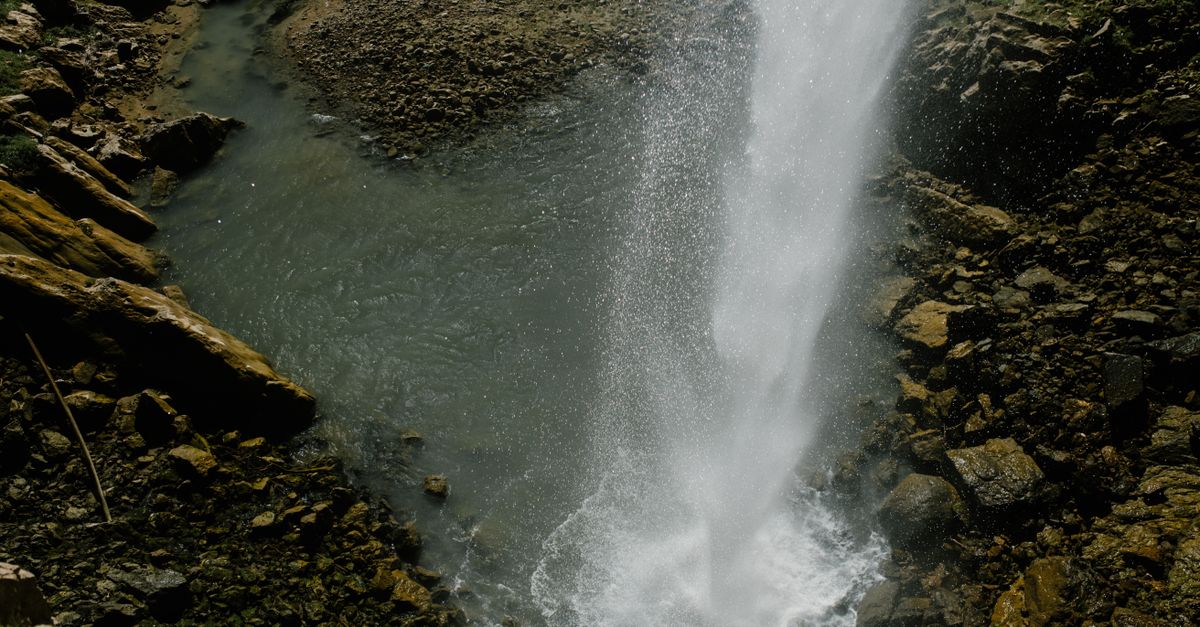
I remember standing at the edge of Wli Waterfalls, completely soaked, and realizing I’d been holding my breath for what felt like an eternity. The roar of water hitting the pool below was so loud it drowned out every thought in my head. My phone was safely tucked away in a dry bag — thank God — because the mist was relentless. And right there, in that chaotic, beautiful mess of nature, I had an epiphany: this is what education should feel like. Not a lecture hall. Not a textbook. A waterfall.
Let’s be honest: most of us treat weekend trips like a checkbox. “Oh, I went to Wli last year. It was nice.” But I’ve found that a weekend at Wli Waterfalls can be one of the most powerful learning experiences you’ll ever have — if you know what to look for. And I don’t mean learning about Ghana’s highest waterfall (though that’s cool too). I mean real, sticky, life-changing lessons that stick with you long after you’ve wrung out your shirt.
So grab a towel and a notebook. We’re going to unpack the hidden curriculum of a Wli Waterfalls weekend trip.
The Shocking Truth About “Just” a Hike
Most people show up at the Wli Waterfalls trailhead thinking they’re about to take a nice nature walk. They’ve got their Instagram outfits, their reusable water bottles, and maybe a granola bar. Two hours later, they’re panting, muddy, and questioning every life choice that led them there.
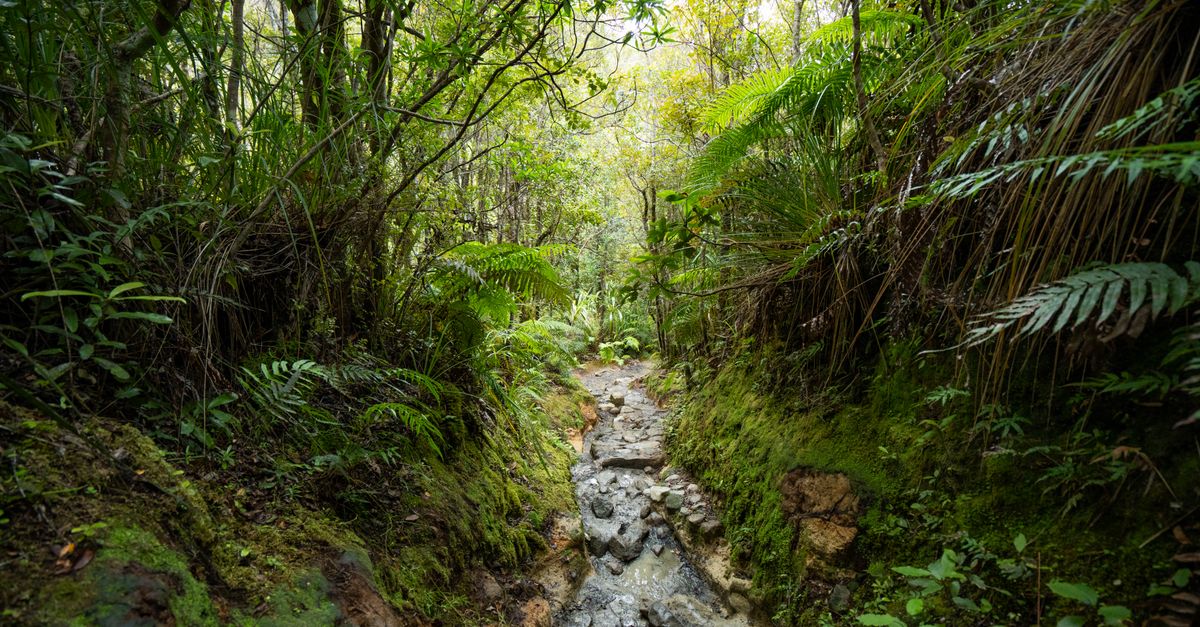
Here’s what most people miss: the hike to Wli is a masterclass in resilience. It’s not brutally difficult — I’ve seen grandparents make it — but it’s long enough to test your patience. The trail winds through the Agumatsa Wildlife Sanctuary, crossing streams, climbing rocks, and weaving through dense forest. About halfway, your legs start burning. Your shoes are wet. You wonder if you’ve taken a wrong turn.
But that’s the point. I’ve found that the best education happens when you’re slightly uncomfortable. When your brain says “stop,” but your body keeps going. When you have to problem-solve on the fly — like figuring out how to cross a slippery log bridge without falling in. That’s not just hiking. That’s applied physics, risk assessment, and emotional regulation all rolled into one sweaty package.
And let’s not forget the surprising biology lesson happening all around you. The sanctuary is home to over 200 species of birds, including the iconic African grey parrot. I once saw a troop of Mona monkeys casually crossing the path, completely unbothered by the humans. That’s not something you learn from a YouTube video. That’s real-time ecology, complete with sound effects and smell.
3 Surprising Lessons Wli Teaches You That No Classroom Can
I’ve been to Wli three times now, and every single trip has taught me something I couldn’t have learned from a lecture. Here’s the shortlist:
- Patience is a skill, not a personality trait. The trail gets crowded on weekends. You’ll have to wait for groups to pass, for kids to stop crying, for the guy with the selfie stick to get his shot. I used to get annoyed. Now I see it as a training ground for emotional regulation. Waiting without frustration is a superpower, and Wli offers plenty of practice.
- You are not the main character. That sounds harsh, but it’s freeing. Standing at the base of the 80-meter waterfall, you realize how small you are. The water doesn’t care about your deadlines, your social media metrics, or your drama. It just falls. That perspective shift is worth more than any motivational seminar.
- Failure is data, not a verdict. I’ve slipped on those rocks. I’ve taken wrong turns. I’ve gotten soaked to the bone because I didn’t bring a proper rain jacket. But each “failure” taught me something specific: where the moss is slickest, which path leads to a dead end, what gear actually works. Mistakes are just expensive tuition — and Wli’s tuition is a pair of wet socks.
Why the Waterfall Pool Is the Best Classroom You’ll Never Pay For
Let’s talk about the main event: the waterfall pool itself. This is where most people stop, snap a photo, and call it done. But I’ve found that the real education happens when you go deeper — literally and figuratively.
The pool at the base of Wli is cold. Not refreshing-cold. Brain-freeze, gasp-for-air cold. I’ve seen grown adults scream like children when they first step in. But here’s the thing: if you stay in the water for more than 30 seconds, something shifts. Your body adapts. Your breathing slows. You start to notice the way the light filters through the mist, the sound of water hitting water, the feeling of being completely present.
That’s a mindfulness lesson that no meditation app can replicate. The cold forces you into the moment — you can’t think about your to-do list when your body is screaming “COLD!” But then, after a minute, the cold becomes bearable. And then, after five minutes, it’s almost comfortable. That’s not just biology (vasoconstriction, shivering response, etc.). That’s a metaphor for how we handle stress in real life. Every challenge feels unbearable at first, but if you stay in it, you adapt.
I’ve also noticed something else: the water is surprisingly clear. You can see the rocks at the bottom, the fish darting around your feet. That clarity is rare. Most of our lives are filtered through screens, notifications, and noise. At Wli, the world becomes sharp and unfiltered. You see what’s actually there, not what you’re told to see.
The Secret Curriculum Nobody Talks About
Here’s a truth that most travel blogs won’t tell you: a Wli weekend trip will teach you more about Ghanaian culture than a semester of classes. I’m not exaggerating.
The community around Wli is the Avatime people. They’ve lived in this area for centuries, and the waterfall isn’t just a tourist attraction — it’s a sacred site. I once spoke with an elder who explained the traditional beliefs about the waterfall spirits. He told me that before entering the water, you should ask permission. Not out of superstition, but out of respect. That mindset shift — from consumer to guest — is the most important lesson you can learn anywhere, anytime.
You’ll also notice the guides. They’re not just pointing out trails; they’re sharing knowledge passed down through generations. Which leaves are edible. Which trees have medicinal bark. How to read the weather by watching the birds. That’s indigenous knowledge, and it’s disappearing fast. Spending a weekend with these guides is like taking a crash course in sustainable living.
And let’s not forget the food. The local restaurants serve fufu and light soup made from fresh ingredients. I’ve learned more about Ghanaian cuisine — and the economics of small-scale farming — by eating lunch at a roadside stall than from any academic paper. Education isn’t just what’s in a textbook. It’s what’s on your plate.
How to Turn a Weekend Trip Into a Lifelong Lesson
Okay, so you’re convinced. You want to go to Wli, and you want to actually learn something. How do you do it? Here’s my no-nonsense guide:
- Go with an open notebook. Don’t just take photos. Write down what you see, smell, hear, and feel. I keep a small waterproof notebook in my pocket. You’d be surprised how much you forget if you don’t capture it in the moment.
- Ask the dumb questions. Why is this rock that color? How old is this tree? What happens if it rains? The guides love curious visitors. Curiosity is the only prerequisite for real learning.
- Disconnect from your phone. I know, I know. But trust me: the waterfall looks better when you’re not trying to frame the perfect shot. The best memories are the ones you experience, not the ones you document.
- Embrace the discomfort. The hike will be hot. The water will be cold. The bugs will be annoying. That’s the point. Growth happens outside your comfort zone, and Wli is the ultimate comfort-zone destroyer.
What You’ll Actually Take Home (Spoiler: Not Just Wet Clothes)
I’ve been on dozens of weekend trips. Most blur together after a while. But Wli sticks. It sticks because it demands something from you. It asks you to be present, to be humble, to be curious. It doesn’t care about your resume or your GPA. It just asks you to show up and pay attention.
The last time I left Wli, I sat in the car for ten minutes before starting the engine. I was wet, tired, and covered in mud. But I also felt something I rarely feel in my daily life: complete satisfaction. Not the fake “I achieved something” satisfaction. The real one. The one that comes from connecting with something bigger than yourself.
So here’s my challenge to you: stop treating weekend trips as time off from learning. Start treating them as time for learning. Go to Wli. Get wet. Ask questions. Take notes. And when you come back, don’t just tell people about the waterfall. Tell them about what it taught you.
Because the best education doesn’t happen in a classroom. It happens when you step into the water, feel the cold shock, and decide to stay anyway.