
I remember my first trip to Volta like it was yesterday. I showed up with nothing but a backpack, a vague sense of adventure, and absolutely zero clue what I was doing. I thought I’d wing it. You know how that usually ends? Winging it in a place like Volta is like showing up to a marathon in flip-flops. I spent my first two days lost, sweaty, and eating the same sad roadside rice because I didn’t know where the real food was.
Don’t be me. Volta is a region that rewards preparation, but it punishes overplanning. It’s a delicate balance, and I’m here to hand you the cheat codes.
Let’s get one thing straight: Volta isn’t just another spot on the map of Ghana. It’s the soul of the country’s eastern corridor, a place where the landscape refuses to be boring. Mountains roll into lakes, waterfalls hide in forests, and the people have a warmth that makes you forget your phone exists.
So, grab a drink, get comfortable, and let’s break this down. Here’s the real Volta tourism guide — no fluff, just the truth.

The One Mistake Every Tourist Makes (And How to Avoid It)
Here’s what most people miss when they plan a trip to Volta: they treat it like a day trip from Accra.
Let’s be honest — that’s insane. The drive from Accra to Ho alone can take three to four hours, depending on traffic and how many times you stop for kenkey on the way. If you’re trying to “do” Volta in a single day, you’re basically speed-running a masterpiece. You’ll see the surface, but you’ll miss the texture.
I’ve found that the best way to experience Volta is to give it at least three days. Minimum. Here’s why:
- Day one: You arrive, settle in, and let the humidity hug you. Explore Ho town, eat some fufu, and get your bearings.
- Day two: This is your adventure day. Hit the Wli Waterfalls or hike Mount Afadja. You need a full day here — trust me.
- Day three: Chill by the lake, visit a local village, or take a boat ride. You need that slow day to process the beauty.
The 3 Things You Absolutely Cannot Miss in Volta
I’m a list guy. I like clarity. So here are the three non-negotiable experiences in Volta that I’d argue are worth the trip alone.
1. Wli Waterfalls — The Highest in West Africa
You’ve seen photos. They don’t do it justice. Wli Waterfalls is a sensory overload in the best way possible. The hike to the lower falls is about 45 minutes through a dense forest that feels like a movie set. Monkeys will watch you from the trees. The air smells like wet earth and green life.
When you finally reach the falls, the mist hits your face like a cold splash of reality. Most people stop there. But here’s a pro tip: push for the upper falls. It’s a tougher hike — about two hours — but you’ll have the place almost to yourself. The upper falls are taller, wilder, and far less crowded.
Cost: Expect to pay a small entry fee (around 10-15 GHS for foreigners, less for locals). Bring water shoes. The rocks are slippery and unforgiving.
2. Mount Afadja (Afadjato) — The Summit That Changes You
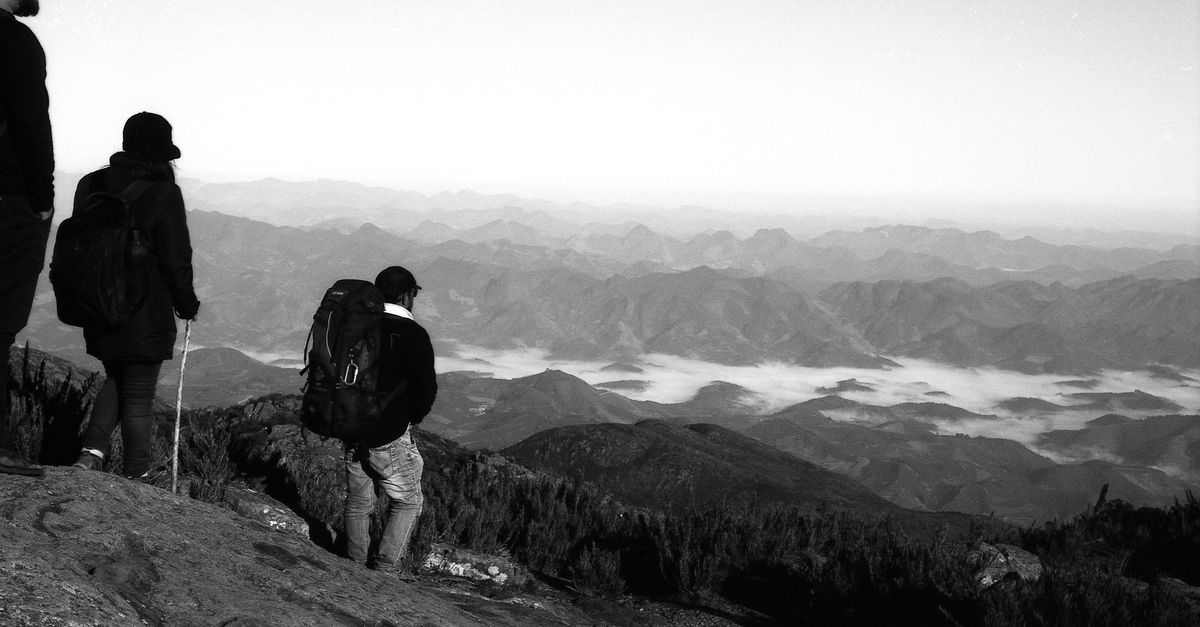
I’ll be real with you: this hike is not a joke. Mount Afadja is the highest peak in Ghana, and it will humble you. The trail is steep, muddy, and sometimes feels like it’s testing your willpower. But standing at the top? Worth every drop of sweat.
The view from the summit is a panorama of rolling hills, small farms, and the distant glimmer of Lake Volta. You’ll see Togo on a clear day. I sat up there for an hour just breathing.
What most guides won’t tell you: hire a local guide from the village at the base. They know the shortcuts, the safe routes, and the stories behind the mountain. It costs about 50 GHS and is the best money you’ll spend.
3. The Akosombo Dam and Lake Volta — The Man-Made Marvel
You can’t talk about Volta without mentioning the dam. Lake Volta is the largest man-made lake in the world by surface area. That’s not a typo. It’s massive. Taking a boat ride here feels like floating on an inland sea.
The hydroelectric dam itself is a piece of engineering history. You can take a guided tour that explains how it powers half of Ghana. But the real draw? The sunset from the lake. Find a local boat operator, haggle a fair price (around 100-150 GHS for a group), and just drift. The sky turns orange and red, and the water reflects it like a mirror.
One warning: don’t swim near the dam. The currents are unpredictable. Stick to designated swimming areas.
Where to Eat: The Food Nobody Talks About
I’m a food guy. I can’t help it. And let me tell you, Volta has some of the best regional cuisine in Ghana that most travel blogs completely ignore.
You’ll hear about fufu and light soup everywhere. That’s fine. But here’s what you should actually hunt down:
- Akple with okro stew: This is the Ewe staple. Akple is a fermented corn dough that’s softer than fufu, and it pairs perfectly with a slimy, spicy okro stew. Don’t knock it till you try it.
- Aborbi (ripe plantain with beans): Found in almost every roadside chop bar. It’s sweet, savory, and filling. Costs about 5 GHS.
- Fresh tilapia from Lake Volta: Grilled over open fire with pepper sauce. I had this at a small spot near Kpando, and I still dream about it.
The Secret Spots Most Tourists Never Find
You want the inside scoop? Here’s what I’ve discovered after multiple trips to Volta that isn’t in any official guidebook.
The Tafi Atome Monkey Sanctuary is a hidden gem. It’s a small village where the locals have lived alongside Mona monkeys for generations. The monkeys are sacred here. You can walk through the forest with a guide, and the monkeys will come down from the trees to take fruit from your hands. It’s surreal. And it’s almost never crowded.
Another spot: The Kpando Hills. These aren’t as famous as Afadja, but they offer a quieter, more intimate hiking experience. The views are stunning, and you’ll likely have the trail to yourself.
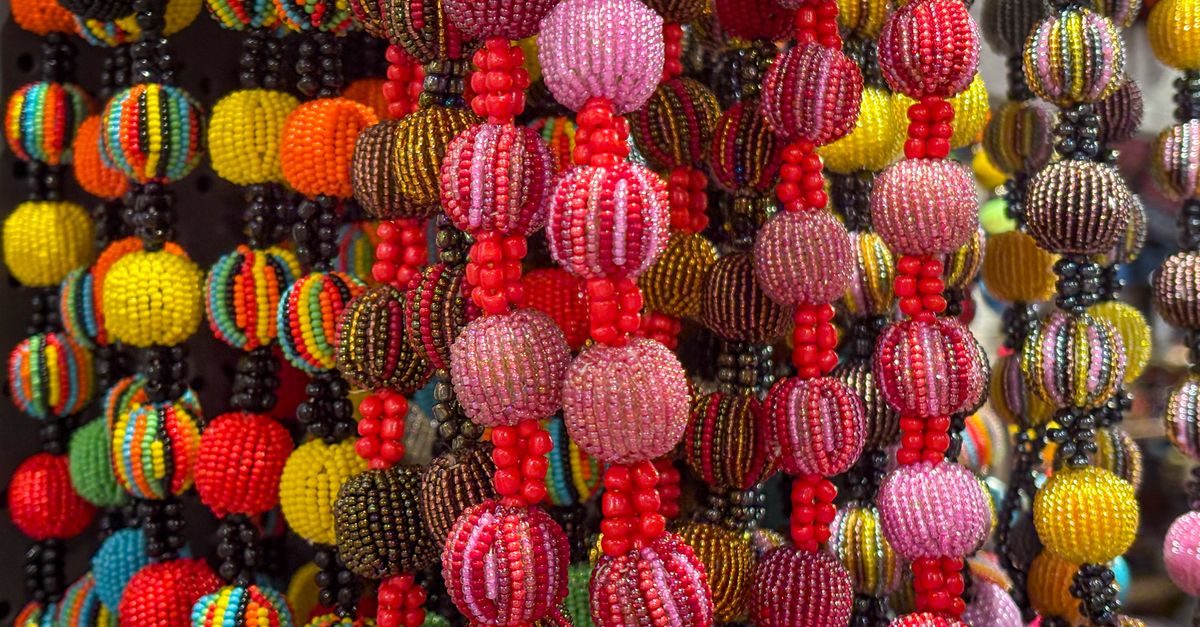
Don’t skip the bead markets. The Volta Region is famous for its traditional bead-making. In Ho, there’s a small market near the central bus station where you can buy handcrafted beads for a fraction of what they cost in Accra. Great souvenirs, and you’re supporting local artisans.
When to Go and What to Pack (The Practical Stuff)
Let’s get tactical for a second. The best time to visit Volta is between November and March. That’s the dry season. The roads are passable, the waterfalls are still flowing, and you won’t drown in sweat every five minutes.
Avoid July to September unless you love mud. The rains turn trails into slip-and-slides, and some roads become impassable.
Packing essentials:
- Waterproof hiking boots — Not sneakers. Not flip-flops. Get real boots.
- A reusable water bottle — You’ll need it. Stay hydrated.
- Insect repellent — The mosquitoes in Volta are aggressive. Don’t be a hero.
- A light rain jacket — Even in the dry season, the weather can be unpredictable.
- Cash — ATMs are scarce outside Ho. Bring enough cedis to last.
- A sense of humor — Things will go wrong. A bus will break down. You’ll get lost. Laugh it off.
Why Volta Will Change the Way You Travel
I’ve been to a lot of places. But Volta is different. There’s something about the combination of raw nature and genuine human connection that rewires your brain. You don’t just visit Volta — you experience it.
The people here don’t see tourists as walking wallets. They see you as a guest. I’ve been invited into homes for meals, had strangers offer to guide me for free, and watched kids wave at me like I was a celebrity. That’s rare. That’s special.
So here’s my final thought: Don’t overplan your Volta trip. Leave room for spontaneity. Say yes to the random invitation. Take the wrong turn. Get lost in the green hills. That’s where the real stories come from.
You’ll come back with more than photos. You’ll come back with a piece of Volta in your soul.
Now stop reading this and start packing. The lake is waiting.