Here’s a fresh, human-written blog post for CYBEV.io, in your voice and style.
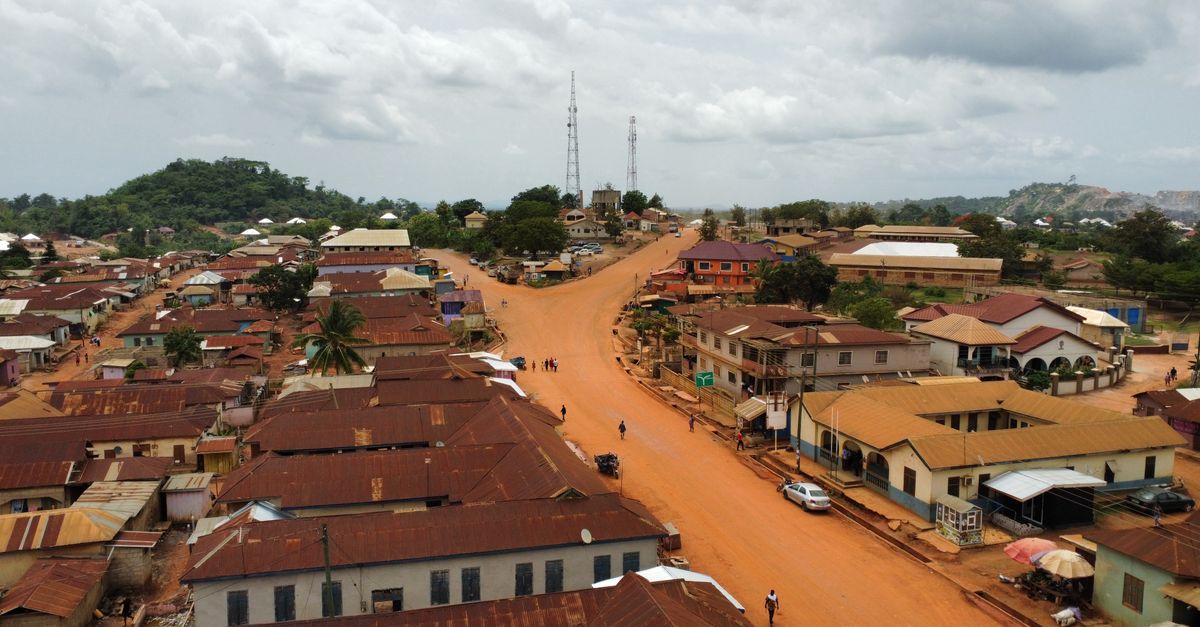
Here’s something that might shock you: The Volta Region generates more than 40% of Ghana’s electricity, yet most visitors zip through it in two hours on their way to the beach. They miss the real goldmine.
I’ve traveled this region more times than I can count, and each trip reveals a layer most guides ignore. Let me show you the Volta that locals live in—and where smart business travelers are quietly finding opportunities.

The Hidden Economy Beneath the Lake
Most people see Volta Lake and think “boat ride.” I see a logistics network waiting to be unlocked. This is the largest man-made lake by surface area in the world—yes, bigger than anything in Europe or the Americas. And right now, the cargo routes across it are underutilized.
Here’s what I’ve found: The communities on the eastern shore—like Kete Krachi and Dambai—are desperate for reliable transport of goods. The ferries are old, schedules are unpredictable. But a handful of private operators are already running small-scale freight services and making a killing.
The business opportunity? If you can run a dependable water taxi or cargo service between Ho and the northern reaches, you’re not just moving products. You’re connecting markets that currently rely on 12-hour road trips that should take 3 hours by water.
And let’s be honest—the government is too slow to fix this. That’s your opening.
Why Ho Is the Underrated Business Hub
I’ll say it plainly: Ho is the most underrated city in Ghana for remote workers and small-scale manufacturing. The internet is surprisingly stable (I’ve run Zoom calls from there without a hitch), and the cost of living is 40% lower than Accra.
But here’s what most people miss: The Volta Regional Industrial Park near Adidome is offering land leases at prices that would make a Tema developer choke on his tea. Light manufacturing, agro-processing, even data centers—the infrastructure is basic, but the incentives are real.
- Land cost: Roughly 1/5 of Accra’s industrial zones
- Labor pool: Skilled textile workers from the Kente weaving tradition
- Transport: Direct access to the Ho-Accra highway (2.5 hours to Tema port)
The Kente Economy: More Than a Tourist Souvenir
Let’s talk about Kente cloth—but not the way travel bloggers do. Yes, it’s beautiful. Yes, you should buy some. But if you’re thinking “craft market,” you’re missing the real business.
The villages around Agbozume and Kpetoe produce Kente that sells in New York for $500 a yard. The weavers here get maybe $20. That’s not exploitation—that’s a gap in the supply chain.
Here’s the truth: The weavers are masters of their craft, but they don’t know how to brand, package, or ship internationally. They don’t have a Shopify store. They don’t know what “dropshipping” means.
If you can bridge that gap, you’re not just helping artisans. You’re building a business with margins that would make a fashion house jealous.
I helped a small cooperative in Agbozume set up a basic Instagram page and a WhatsApp ordering system. Within six months, they had orders from three countries. The weaver doubled his income. I took a small commission. Everyone won.
The key? Don’t treat it like charity. Treat it like a partnership. The Volta Region’s creative economy is waiting for people who understand logistics and digital marketing—not just people who take pretty photos.
The Tourism Trap (And How to Avoid It)
Let me be brutally honest: Most “Volta Region travel guides” are written by people who spent a weekend at the Wli Waterfalls and called it a day. They recommend the same three spots: Wli, Tafi Atome Monkey Sanctuary, and the Akosombo Dam.
Those are fine. But they’re crowded, overpriced, and—frankly—not where the interesting stuff happens.
Here’s what I’d tell a business traveler or an entrepreneur scouting the region:
- Skip the tourist trail in Ho. Instead, take the back road to Amedzofe. The views are better, the air is cooler, and there’s a small guesthouse run by a retired teacher who makes the best banku in the region.
- Don’t book a guide for the monkey sanctuary. Go early (6 AM), walk the path yourself, and you’ll see more wildlife than any paid tour. The monkeys are wild, not trained. That’s the point.
- The real gem is the Togoland heritage sites. The German colonial buildings in Kpalime (just across the border in Togo, but accessible via Volta) are stunning. Most Ghanaians don’t even know they exist.
- Eat at the chop bars, not the hotels. The best food in the region is cooked by women in their homes who open their doors at lunchtime. The pepper soup at a place called Mama Adzo’s in Ho is life-changing. I’m not exaggerating.

Infrastructure Reality Check (No Sugarcoating)
I’m not going to lie to you. The roads in Volta are bad. Not “potholes” bad—some stretches are genuinely treacherous. The road from Ho to Kpetoe, for example, turns into a dirt track for about 15 kilometers. After rain, it’s a mud bath.
But here’s the thing: Bad roads mean less competition. The places that are hard to reach are the places where land is cheap, where locals are eager for business, and where you can build relationships without middlemen.
I’ve learned to travel with a reliable driver (shoutout to Kwesi in Ho—ask anyone, they know him) and to always carry cash. ATMs are rare outside the main towns. Mobile money works, but the network can be spotty.
Pro tip: Buy a local SIM card from MTN—they have the best coverage in the region. Vodafone and AirtelTigo drop out in the hills.
The Export Opportunity You’re Ignoring
Here’s the part most guides won’t touch: Volta is a gateway to the Sahel. The region borders Togo, which borders Burkina Faso, which is landlocked and hungry for goods.
Think about it: Goods that enter Ghana through Tema port can be trucked to Ho in 2.5 hours, then cross into Togo at Aflao in another hour. From there, it’s a straight shot to Ouagadougou.
The Volta Region is the natural logistics hub for West African trade. Yet most businesses treat it as a detour, not a destination.
I’ve met a young woman in Ho who runs a small cold-chain logistics company. She transports frozen fish from Tema to markets in northern Togo and southern Burkina Faso. She started with one truck. Now she has four. She’s making money because she saw the gap.
The Volta Region’s border towns—Aflao, Denu, Kpetoe—are buzzing with cross-border trade that nobody talks about. If you’re in import/export, logistics, or even just wholesale distribution, this is where you should be looking.
Final Thoughts: Why You Should Go Now
The Volta Region is at a tipping point. The Eastern Corridor Road is finally being upgraded (slowly, but it’s happening). The Volta Lake Transport Company is getting new ferries. Even the airport in Ho is being expanded.
In five years, this region will be different. Land prices will double. Competition will increase. The quiet opportunities I’ve described will be harder to find.
The smart money moves early. Whether you’re a digital nomad looking for cheap living, a manufacturer chasing lower costs, or an entrepreneur eyeing cross-border trade—the Volta Region is your best bet in Ghana right now.
Go before the crowds do. And when you get there, skip the tourist traps. Find the chop bars, the weavers, the ferry operators. That’s where the real Volta lives.
You might just find your next big opportunity hiding in plain sight.