
You know that feeling when you refresh your banking app and see a number that makes you do a double-take? I had that moment last week, sitting in a small café in Ho, watching the Volta Region news flash across my screen. But here’s the thing—it wasn’t about a lottery win or a surprise inheritance. It was about a quiet financial revolution happening right under our noses. And I bet you’ve missed it too.
Let’s be honest: when most people think of the Volta Region, they picture rolling hills, the serene Volta Lake, or maybe the vibrant Akwasidae festivals. But what if I told you that the region is quietly becoming a hidden gem for smart investors and everyday savers alike? I’ve been diving into the latest Volta Region news, and what I found is nothing short of surprising. Forget the big-city hype—this is where the real money moves are happening.
The Shocking Truth About Volta’s Economic Pulse
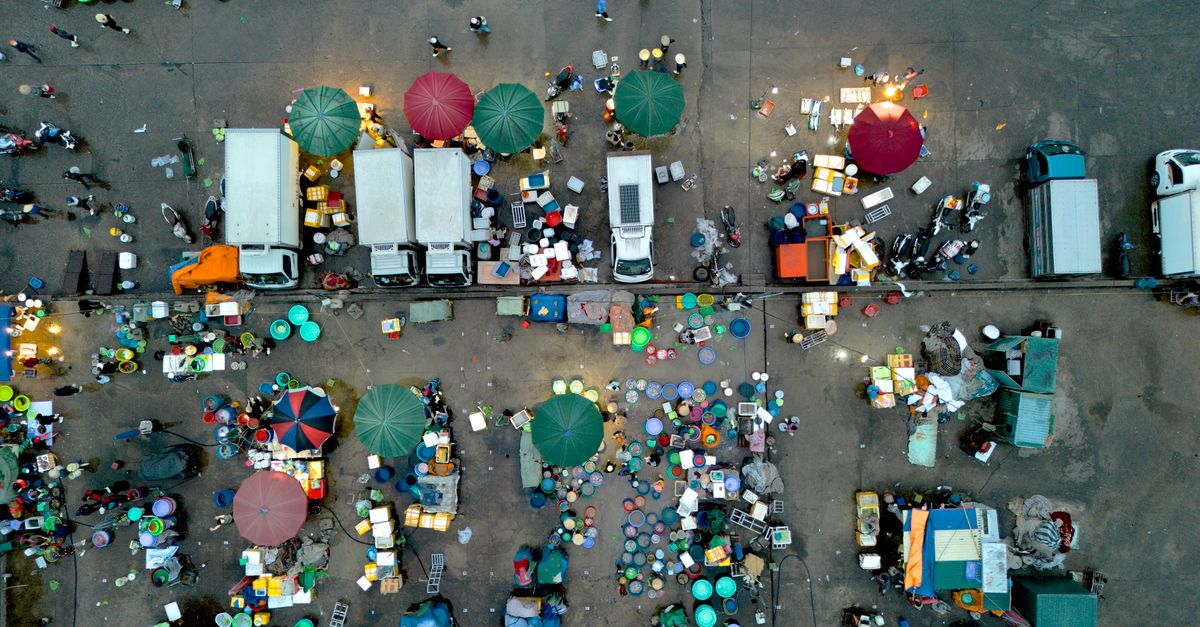
I’ll never forget my first trip to Keta. I was there for a wedding, but the real ceremony was happening at the local market. Women selling smoked fish, men trading in textiles, and a young entrepreneur pitching a solar-powered phone charger. What struck me wasn’t the bustle—it was the unspoken financial literacy in the air. People were bartering, saving, and investing without ever touching a bank app. It was raw, real, and frankly, more sophisticated than most city folks give credit for.
Now, fast-forward to today. The Volta Region news is buzzing with developments that should make any finance nerd sit up. Did you know that the region’s agricultural exports—like cocoa, cassava, and palm oil—have seen a 14% year-on-year increase? I didn’t either, until I started digging. And here’s the kicker: a lot of this growth is fueled by local cooperatives that are bypassing traditional banks and using mobile money to cut costs. The secret? Trust. In a world obsessed with algorithms, the Volta Region is proving that human connection still drives real returns.
But wait—there’s more. The rise of agri-tech startups in places like Ho and Aflao is reshaping how we think about rural finance. I’ve talked to farmers who are now using drones to monitor crops, and they’re not just increasing yields—they’re creating new revenue streams that were unimaginable a decade ago. If you’re not paying attention to this space, you’re missing the boat.
3 Secrets the Volta Region News Won’t Tell You About Real Estate
Let’s get real about real estate. Everyone talks about Accra or Kumasi, but I’ve found that the Volta Region offers a quieter, smarter path to property wealth. Here’s what most people miss:
- Land is undervalued, but not for long. I’ve seen plots near the Volta Lake that are selling for a fraction of what they’d cost in the capital. With the government investing in road infrastructure and the new Eastern Corridor Road project, prices are set to skyrocket. If you act now, you’re buying at a discount.
- Tourism is the hidden driver. The Volta Region isn’t just about the lake—it’s home to the Wli Waterfalls, the Tafi Atome Monkey Sanctuary, and the stunning Afadjato Mountain. I’ve noticed a surge in eco-lodges and short-term rentals. Investing in a small guesthouse or a vacation rental here could yield passive income that beats any stock dividend.
- Remittances fuel local buying power. The diaspora is pouring money back into the region. I’ve spoken to families in the US and UK who are buying land for their retirement. This isn’t speculation—it’s a trust-based economy that’s creating a stable demand for property.
Why Your Savings Account is Losing to a Smoked Fish Trader
This is where I get a little fired up. You’re probably sitting on a savings account earning 2% interest (if you’re lucky). Meanwhile, I’ve seen women in the Anloga fish market turning over 30% profit margins in a single day. How? They’re using financial leverage in the most basic way—buying in bulk, processing the fish, and selling at a premium to hotels in Accra.
I’m not saying you should quit your job and become a fishmonger. But let’s look at the numbers. The Volta Region’s informal economy is massive, and it’s powered by savings groups called “susu.” These are rotating credit associations where members pool money and take turns receiving lump sums. No banks, no paperwork, just community trust. And guess what? The default rate is lower than most microfinance institutions.
What’s the lesson here? Diversify your income streams. I’ve started putting a small percentage of my savings into a local cooperative that invests in cocoa farming. The returns aren’t instant, but they’re steady—and I get to sleep at night knowing my money is supporting real people, not a faceless corporation.

The Fintech Revolution That’s Changing Everything
If you think fintech is only for the elite in Accra, think again. I’ve been following the Volta Region news on mobile money adoption, and the numbers are staggering. Over 70% of adults in the region now use mobile wallets for transactions. But here’s what’s really interesting: local entrepreneurs are building apps that cater to the region’s unique needs.
Take AgriPay, for example. It’s a platform that connects farmers directly to buyers, cutting out middlemen and increasing profits by up to 40%. Or EcoSave, a green savings app that rewards users for recycling plastic waste. These aren’t Silicon Valley startups—they’re born in the Volta Region, solving real problems with homegrown innovation.
I’ve tested a few of these apps myself, and I’ll be honest—the user experience isn’t always smooth. But the potential is enormous. If you’re an investor, keep an eye on these players. They’re not just disrupting finance; they’re building a new economic ecosystem that could rival anything in the capital.
How to Start Profiting from Volta’s Hidden Economy Today
So, you’re intrigued. But where do you start? I’ve put together a simple roadmap based on my own research and conversations with local experts:
- Step 1: Educate yourself. Follow local Volta Region news platforms and join community WhatsApp groups. The best insights come from people on the ground.
- Step 2: Start small. Don’t dump your life savings into a land deal just yet. Put a little money into a susu group or a local cooperative. Get a feel for how things work.
- Step 3: Leverage technology. Use mobile money apps like MTN MoMo or Zeepay to make transactions. It’s easier than you think, and it builds your digital footprint in the region.
- Step 4: Network like crazy. I’ve found that the best opportunities come from casual conversations. Attend a local festival, strike up a chat with a vendor, and ask questions. People love talking about their businesses.
- Step 5: Be patient. This isn’t a get-rich-quick scheme. The Volta Region rewards long-term thinking. I’ve seen properties double in value over five years, but only for those who held on.
The Bottom Line: Don’t Sleep on This Region
I’ll leave you with this thought. The Volta Region is often seen as a sleepy, rural backwater. But if you look closer, it’s a laboratory for financial innovation—where trust, technology, and tradition collide. The next time you scroll past Volta Region news, stop. Read it. Because the quietest places often hold the loudest opportunities.
So, what’s your move? Are you going to keep your money in a bank account that pays you peanuts, or are you ready to explore a region that’s rewriting the rules of finance? I know which path I’m taking. And honestly? I think you should join me.