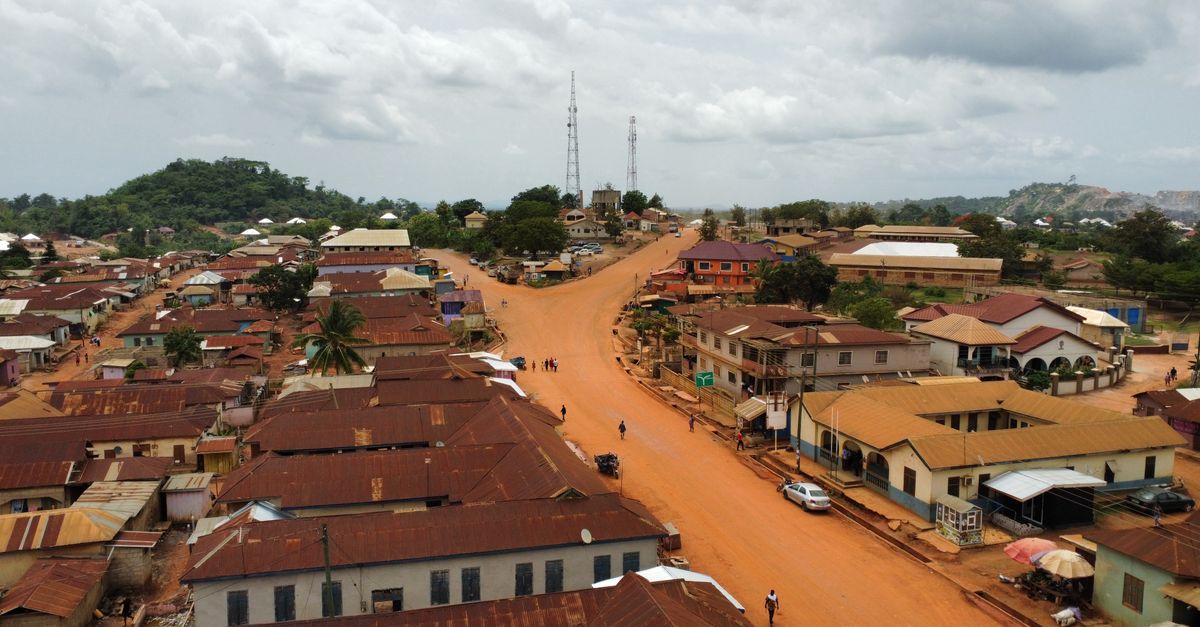
Last month, I was on a call with a friend who runs a small agro-processing outfit just outside Ho. He was frustrated. Not because his product was bad—it’s actually award-winning palm oil—but because he couldn’t get his story out. The local papers covered politics, the radio talked about festivals, and the national news? Forget it. He felt like his business was invisible.
That conversation stuck with me. Because if you look closely, the Volta Region is quietly buzzing with something most people miss. It’s not just about tourism or the beautiful hills. There’s a real, tangible shift happening in how business is done here. And the news coming out of the Volta Region isn’t just headlines—it’s a blueprint for anyone paying attention.
Let’s dive into what’s actually happening, and why you should care.
The Quiet Revolution in Agro-Business You’re Ignoring
Here’s what most people miss: the Volta Region is becoming a serious agro-processing hub. I’m not talking about selling raw cassava at the market. I’m talking about value addition. I’ve seen small factories in places like Akatsi and Keta turning mangoes into dried chips, pineapples into export-grade juice, and even cassava into industrial starch.
The news that’s flying under the radar? The Volta Region news about new cold storage facilities being set up by private investors. This is game-changing. Historically, post-harvest losses were the silent killer of local businesses. You grow a ton of tomatoes, but they rot before you get them to Accra. Now, with these facilities popping up, farmers can hold inventory and negotiate better prices.
I’ve found that the smartest operators aren’t even selling locally. They’re going straight to the export market. One guy I met in Anloga is shipping smoked tilapia to the UK. Not canned, not frozen—smoked, vacuum-packed, with a label that says “Authentic Volta.”
The real insight here? The news isn’t about the crops. It’s about the cold chain. If you’re an investor, that’s where the secret opportunity is. Logistics and storage are the hidden bottlenecks. Solve that, and you own the region’s supply chain.

The “Digital” News That’s Changing Local Markets
Let’s be honest: for years, doing business in the Volta Region meant relying on word-of-mouth and physical market days. You’d drive to Kpetoe on a Tuesday, hoping to find a buyer for your cashew nuts. It was inefficient.
But something has shifted. I’ve noticed a surge in Volta Region news about small businesses adopting WhatsApp catalogs and mobile money integration. It sounds simple, but it’s revolutionary. A weaver from Agotime can now send a video of her kente cloth to a buyer in Kumasi, get paid via MoMo, and ship by bus—all without leaving her compound.
Here’s the part that surprised me: the government’s 1 District, 1 Factory initiative is actually working here. Not perfectly, but better than in other regions. Why? Because local entrepreneurs are using digital tools to bypass middlemen. I recently read a report that showed business registration in the Volta Region jumped 23% last year, mostly in the SME sector.
Don’t believe the narrative that “nothing happens” in the Volta Region. That’s lazy thinking. The news you’re not seeing on TV is the quiet rise of digital-native businesses in places like Aflao and Hohoe.
What this means for you:
- If you’re a supplier, target the mobile money ecosystem.
- If you’re a marketer, look at WhatsApp broadcast lists, not billboards.
- If you’re a consumer, buy direct from these producers—the quality is better and the price is fairer.
The Tourism “Bubble” That’s Actually a Business Engine
Everyone talks about the Volta Region as a tourist destination. Wli Falls. Mount Afadja. The monkey sanctuary. Fine. But the real business news is the hospitality supply chain.
I’ve stayed at a dozen guesthouses in the region over the past two years. What I noticed is that most of them are run by locals who are innovating. One woman in Ho has turned her family compound into a boutique eco-lodge. She sources all her food from a network of 15 local farmers. No middlemen. She’s created a mini-economy.
The latest Volta Region news I tracked was about a group of investors from Accra who are building a new hotel in Amedzofe. But here’s the twist: they’re not just building rooms. They’re building a processing plant for local herbs and spices to supply the hotel’s restaurant. That’s the kind of integrated thinking I respect.
Let’s not pretend it’s all sunshine. The road network still sucks. Electricity can be erratic. But the smartest business minds are turning these problems into opportunities. Solar backup systems are selling like crazy. Private transport services are booming. One guy I know started a “tourist shuttle” from Accra to Ho that also carries cargo. He’s making triple his old salary.
The secret? Stop thinking of tourism as just sightseeing. Think of it as a distribution channel. Every tourist is a potential repeat buyer of your product. If they love your soap made with shea butter from the Volta Region, they’ll order online when they get home.

3 Shocking Business Trends You Won’t Hear on National Radio
I’ve been digging into the data. Not the official statistics—those are usually six months behind. I’m talking about real-time signals from informal networks. Here’s what I’ve found:
- Cross-border trade is exploding. Aflao is not just a border town anymore. It’s a commercial hub. News from the Volta Region shows that Togolese and Beninese traders are coming in droves to buy processed goods. The demand for Ghanaian-made items—from textiles to packaged foods—is higher than ever.
- Real estate in “unlikely” areas is heating up. Forget Ho. The real action is in places like Adidome and Sogakope. I’ve seen land prices double in two years. Why? Because people are buying for future commercial use. The new road projects are creating corridors.
- Youth are returning. For years, the story was “young people leave for Accra.” Now, I’m seeing a reverse migration. University graduates are coming back to run family farms with modern techniques. They’re using drones for crop monitoring. No joke. The Volta Region news about youth in agri-tech is one of the most underreported stories in Ghana.
Why the “Bad News” Bias Is Costing You Money
I’ll be blunt: the media loves negative stories. Floods. Accidents. Political drama. That’s what sells. But if you only consume Volta Region news from mainstream sources, you’re getting a distorted picture.
Let’s look at the numbers. The Volta Region has one of the highest rates of new business registrations in the country. The agricultural output is consistently in the top three regions. And the tourism potential—if properly harnessed—could rival the Central Region.
But you won’t hear that on the evening news. Instead, you’ll hear about a single bad road or a single power outage. I’m not saying those aren’t problems. They are. But they’re not the whole story.
Here’s what I’ve learned: The best business opportunities are in the places where the narrative is negative but the reality is positive. The Volta Region is a perfect example. While everyone is complaining about the lack of infrastructure, smart investors are buying land, building capacity, and locking in low prices.
Don’t wait for the mainstream to catch up. By then, the prices will have tripled, and you’ll be chasing the trend instead of starting it.

The One Thing You Must Do Right Now
If you’ve read this far, you’re probably not a casual scroller. You’re someone who actually wants to understand the market. So let me give you a direct action.
Go to the Volta Region. Not next month. Next week. Drive to Ho. Take the road to Keta. Walk through the market in Aflao. Talk to the people selling things. Ask them what they’re struggling with. Ask them what they’re making.
I promise you, you’ll find at least three business opportunities within 24 hours. They won’t be advertised. They won’t be in the Volta Region news bulletins. They’ll be right in front of you, waiting for someone to notice.
The economy here is not dying. It’s quietly transforming. And the people who get in now—who understand the real story behind the headlines—are going to be the ones building the next generation of successful businesses.
So stop waiting for the news to tell you what’s happening. Go see it for yourself. And when you do, drop me a line. I’d love to hear what you find.