
Last Tuesday, I was on a Zoom call with a client based in Ho Chi Minh City. He was frustrated. Not about supply chains or currency fluctuations, but about something far more mundane: finding a decent workspace that didn't feel like a prison cell. He told me, "Leo, I've been here three months, and I still don't know where to take a client for coffee without shouting over techno music."
I laughed, but I knew exactly what he meant. Ho Chi Minh City—Saigon to the locals—is a beast. It's chaotic, intoxicating, and absolutely relentless. If you're here on business, you're not just fighting traffic; you're fighting a system that rewards local knowledge. Most expats and traveling professionals wing it, and they pay the price in wasted time and missed connections.
Let's fix that. I've spent the last four years bouncing between co-working spaces, hidden cafes, and rooftop bars in this city. I've made the mistakes so you don't have to. Here are the real, actionable things to do in Ho Chi Minh City that will actually move your business forward.
The Art of the "Third Space" in Saigon
Most people think business happens in boardrooms. In Ho Chi Minh City, it happens in third spaces—places that aren't home and aren't the office. The trick is finding ones that aren't overrun by digital nomads with bad Wi-Fi or locals who treat the cafe like a nap zone.
I've found that The Workshop on 27 Ngô Đức Kế is the gold standard. It's a co-working space that feels like a curated art gallery, but the real magic is the coffee. They source beans from the Central Highlands, and the baristas actually know what they're doing. Take a client there, and you're signaling sophistication without trying too hard.
But here's what most people miss: the secret back alleys of District 3. Walk two blocks off the main drag, and you'll find tiny coffee shops run by aunties who've been making egg coffee since the 90s. These spots have no Wi-Fi, no power outlets, and zero pretense. Why go there? Because business in Vietnam is built on trust, not spreadsheets. Sitting on a plastic stool, sipping a $1 coffee, and talking about family—that's where deals get done.

Pro tip: Always carry small bills (20,000-50,000 VND notes). Many of these hidden spots don't take cards, and you don't want to be that person fumbling for change while your client watches.
Networking Without the Cringe
Let's be honest—most networking events are soul-crushing. People handing out business cards like they're candy, pretending to be interested in "synergy." In Ho Chi Minh City, it's different, but only if you know where to look.
Skip the official "business mixer" events at hotels. They're packed with people selling insurance and multi-level marketing schemes. Instead, head to Bui Vien Street on a Thursday night—but not for the beer. There's a speakeasy called The Iron Bank hidden behind a fake wall. It's quiet, dimly lit, and attracts a crowd of journalists, startup founders, and creatives.
I once sat next to a guy there who was building a logistics platform for the Mekong Delta. We talked for three hours about river transport and blockchain. By the end of the night, we'd sketched out a partnership on a napkin. That would never happen at a sterile hotel ballroom.
The real insider move: Join the Saigon Business Networking group on Facebook. It sounds basic, but the admins actually vet members. You'll find posts about everything from "looking for a tax accountant" to "who wants to co-invest in a coffee roastery?" The comments are gold. People share real numbers, real referrals, and real warnings about bad actors.
The Lunch That Closes the Deal
You've heard the phrase "lunch meeting." In Ho Chi Minh City, lunch is a weapon. The right meal can turn a skeptical partner into a collaborator. The wrong one can kill your reputation.
For high-stakes clients: Book a table at Anan Saigon in the old market. It's run by chef Peter Cuong Franklin, and the tasting menu is a masterclass in Vietnamese cuisine with a modern twist. The pho poutine is legendary. Price tag is steep (around $80 per person with wine), but the impression is worth every dong. You're showing you understand quality, not just cost.
For relationship building: Take them to Bến Thành Street Food Market—not the touristy stalls, but the ones at the back. Order bánh xèo (crispy pancakes) and bún thịt nướng (grilled pork noodles). Eat with your hands. Encourage them to do the same. Business in Vietnam is personal, and sharing messy food breaks down walls faster than any PowerPoint slide.

What most people get wrong: They try to impress with Western food. Don't. Vietnamese clients will be polite, but they'll think you're closed-minded. Embrace the local cuisine. Learn to use chopsticks properly. Say "ngon quá" (so delicious) when you eat. It's a small gesture that pays huge dividends.
The Digital Nomad Trap (And How to Escape It)
Let's talk about the elephant in the room: the digital nomad scene. It's a double-edged sword. On one hand, places like Saigon Coworking and The Hive offer reliable internet and networking events. On the other hand, they're full of people who talk about "passive income" and "digital nomad life" while sipping $6 lattes.
Here's the truth: if you want to build a real business in Ho Chi Minh City, you need to get out of the expat bubble. The real opportunities are with local SMEs—the family-run garment factories, the logistics companies, the small tech shops in District 4.
How to find them: Walk around Tôn Thất Đạm Street in District 1. It's the hardware and electronics district. You'll see shops selling everything from industrial sewing machines to circuit boards. Walk in, introduce yourself, and ask about their biggest challenge. I did this two years ago and ended up consulting for a company that makes custom parts for Japanese car manufacturers. That lead never would have come from a Facebook group.
Another hidden gem: The Saigon Trade Center on 37 Tôn Đức Thắng. Most expats think it's just a mall. But the upper floors have offices for trade consultants, export agents, and shipping companies. Walk the hallways. Introduce yourself to the receptionists. They know everything about who's looking for what.
The Rooftop That Rewrites Your Strategy
You need a place to decompress, to think, to strategize. The hotel bars are fine, but they're full of tourists. The real power spots are hidden rooftops that locals keep to themselves.
My favorite is Saigon Saigon Rooftop Bar at the Caravelle Hotel. It's not hidden, but it's perfect for a reason: the view of the Opera House and Notre-Dame Cathedral. I've closed three deals on that terrace. Something about the city lights and the cool breeze makes people open up.
But here's the secret: Go at 5:30 PM, just before sunset. Order a Saigon Special beer—it's cheap, it's local, and it shows you're not a snob. The early crowd is all businesspeople winding down. By 7 PM, it turns into a party. You want to leave before the DJ starts.
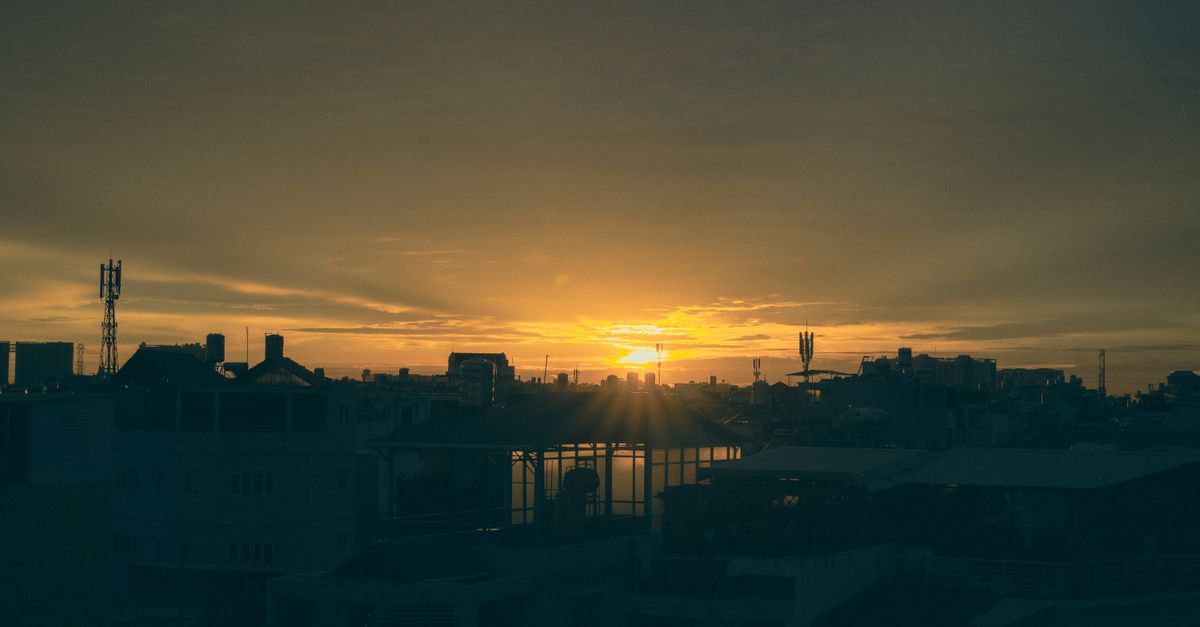
The alternative: Chill Sky Bar on Lê Duẩn. It's more upscale, but the real draw is the Sunday afternoon jazz sessions. I've seen venture capitalists, fashion designers, and even a retired general there. The acoustics are terrible for conversation, but the people-watching is unmatched. You can learn a lot about the city's power dynamics just by watching who walks in with whom.
The One Thing Nobody Tells You About Ho Chi Minh City
Here's the hard truth: Ho Chi Minh City will not respect your schedule. The traffic is a living organism. The bureaucracy moves at its own pace. The humidity will ruin your shirt in five minutes.
But that's exactly why it's the best place in Southeast Asia for business. Because when you adapt—when you learn to negotiate over a bowl of pho at 6 AM, or when you sit through a two-hour coffee meeting that feels like small talk—you win. The city rewards patience and humility.
My final piece of advice: Buy a good raincoat. Not an umbrella—the rain here comes sideways. And learn to say "tạm biệt" (goodbye) with a smile. The business you do here isn't just transactions. It's relationships. And relationships in Saigon are built one shared meal, one rooftop sunset, and one honest conversation at a time.
So, what's your next move? Are you going to keep working from that hotel lobby, or are you going to step into the real Ho Chi Minh City? I know which one I'd choose.