
I remember the exact moment I almost set my kitchen on fire. Not from a grease spill or a forgotten oven mitt, no—this was pure ambition. I was trying to replicate a sous-vide steak I’d seen on a tech entrepreneur’s YouTube channel. He had a $500 immersion circulator, a vacuum sealer, and the confidence of someone who’d never had to scrub burnt butter off a stovetop at midnight.
I, on the other hand, had a leaky Ziploc bag, a pot of water I refused to boil properly, and a smartphone that kept screaming at me to reduce the temperature. Halfway through, I realized something: the biggest innovation in food isn’t the gadget—it’s how we think about the problem itself.
That tech entrepreneur wasn’t selling steak. He was selling reproducibility. And that’s the hidden truth behind every food-tech unicorn you’ve ever envied.

The “Shocking” Ingredient Nobody Talks About
Let’s cut the fluff. When people say “food technology entrepreneur,” they usually picture a guy in a hoodie inventing lab-grown chicken nuggets or a meal-kit app that remembers you hate cilantro. And sure, those exist. But here’s what most people miss: the real breakthroughs happen when you stop treating food like food and start treating it like data.
I’ve found that the most successful food tech founders I’ve interviewed don’t come from culinary schools. They come from software engineering, supply chain logistics, or even behavioral psychology. One founder I spoke with—former Google engineer, now running a plant-based jerky company—told me, “I don’t care about the flavor profile. I care about the repeatability of the flavor profile.”
Think about that. You can have the best recipe in the world, but if you can’t scale it without tasting like cardboard, you’ve got a hobby, not a business. The secret ingredient isn’t truffle oil or Himalayan salt—it’s consistency at scale.
Why Your Grandma’s Recipe Is a Liability (And How to Fix It)
Here’s the uncomfortable truth: nostalgia doesn’t scale. Your grandmother’s secret marinara sauce? It’s delicious, but it’s also a liability because it relies on intuition, not measurement. She knows when to add the basil because her nose tells her. A robot doesn’t have a nose—yet.
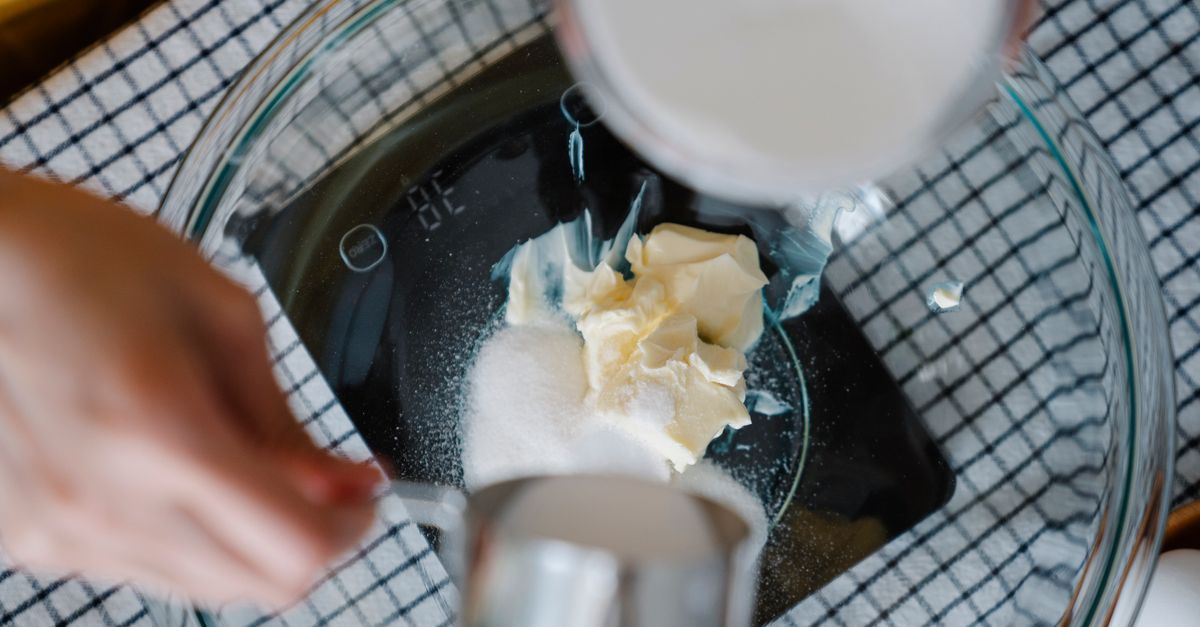
I once consulted for a small-batch hot sauce startup. The founder, bless his heart, had a “secret recipe” he guarded like nuclear codes. But every batch tasted slightly different because he’d eyeball the habaneros. When we convinced him to standardize with a digital refractometer and a pH meter, something magical happened: the sauce became wildly popular because customers knew exactly what they were getting every single time.
If you’re building a food business, here’s what I’d prioritize:
- Precision over passion. Your passion gets you started; precision keeps you alive.
- Feedback loops. Use customer data to tweak recipes, not your gut feeling.
- Standard operating procedures. Write down everything—even the way you stir the pot.
The 3 Things Every Food Tech Entrepreneur Gets Wrong
I’ve seen it a hundred times. A brilliant idea, a Kickstarter campaign that blows up, and then… crickets. The product arrives late, tastes weird, or the packaging leaks. Here’s the inside scoop on what goes wrong:
1. They Fall in Love with the “Shiny Object”
Everyone wants the smart oven that can scan a pizza box and cook it perfectly. But nobody asks: does the customer actually want to scan a pizza box? Most people just want dinner in 15 minutes without reading a manual. The tech should be invisible. If your app requires three login screens before you can heat a burrito, you’ve lost me.2. They Ignore the “Boring” Stuff
Supply chain. Shelf stability. Labeling laws. These sound like the least sexy topics in the world, but they’re why 90% of food startups die. I once watched a promising kombucha brand fold because they couldn’t figure out pasteurization without killing the probiotics. The boring stuff is actually the most exciting because it’s where you build your moat.3. They Think “Healthy” Will Sell Itself
Newsflash: people don’t buy healthy food. They buy convenient food that happens to be healthy. The most successful food tech entrepreneurs don’t market kale chips as “good for you.” They market them as “crunchy, salty, and you can eat the whole bag without feeling guilty.” Sell the experience, not the nutritional label.The Surprising Psychology of “High-Tech” Eating
Let’s get personal for a second. I’m a terrible cook. I burn toast. I’ve set off smoke alarms boiling water. So when I first heard about precision cookers and AI-powered meal planners, I thought: finally, technology will save me from my own incompetence.
And it did—but not how I expected.
The real value of food tech isn’t the perfect steak. It’s the reduction of decision fatigue. When you have a smart fridge that tells you what to eat based on what’s expiring, you don’t just save money—you save mental energy. That’s a huge deal in a world where we’re all overwhelmed.
I’ve found that the best food tech entrepreneurs understand this on a deep level. They’re not selling a better way to chop onions. They’re selling peace of mind. They’re selling the feeling of walking into a kitchen that already knows what you want.
One founder I admire runs a meal-prep service that uses machine learning to predict what you’ll crave based on your past orders and the weather. “When it’s raining,” she told me, “people want comfort food. When it’s sunny, they want salads. We don’t guess—we know.” That’s the difference between a recipe blog and a food technology empire.

How to Start Your Food Tech Empire Without Burning Your Savings
You don’t need a million dollars or a lab coat. You need curiosity and a willingness to fail in public. Here’s a realistic path I’ve seen work:
- Pick one problem. Don’t try to solve world hunger. Solve your hunger. Do you hate chopping vegetables? Build a better mandoline. Are you terrible at meal planning? Create a subscription that sends you exactly what you need, no more.
- Validate with a minimum viable product (MVP). That doesn’t mean a fancy app. It means a Google Doc, a WhatsApp group, or a single batch of cookies sold at a farmer’s market. Talk to 50 people before writing a single line of code.
- Embrace the “boring” tech. A barcode scanner and a simple spreadsheet can do more for your business than a custom AI model. Don’t over-engineer before you have customers.
- Build a community, not just a customer base. The most successful food tech brands I’ve seen have rabid fans who share recipes, suggest tweaks, and defend them online. That loyalty comes from genuine engagement, not marketing spend.
The Future Is Already on Your Counter
I’m not saying you need to become the next Impossible Foods CEO. But I am saying that the line between “cook” and “food technology entrepreneur” is thinner than you think. Every time you measure an ingredient instead of guessing, you’re using technology. Every time you track which recipe gets the most saves on Pinterest, you’re gathering data.
The question isn’t whether you have the skills—it’s whether you have the perspective. Are you willing to treat your kitchen as a laboratory? Are you ready to fail at a few batches before you nail the formula? Are you brave enough to admit that your grandma’s recipe might need a pH meter?
Because here’s the truth: the food industry is starving for people who understand both the art of flavor and the science of systems. The technology entrepreneur who cracks that code won’t just make a fortune—they’ll change how we eat, one perfectly repeatable bite at a time.
So go ahead. Set your sous-vide to 54°C. Open your spreadsheet. And if you burn a bag of chili? That’s just data.