
Let’s be honest: most music programs tell you that you need to “network your way to the top.” They push you into a room of strangers with a sticky name tag and a limp handshake, hoping you’ll magically land a record deal. That’s garbage. *Real success in the music industry doesn’t come from who you know—it comes from what you do with what you learn. And that’s where NTC Ho Student Resources come in.
If you’re a student at NTC (or even just a curious musician), you’re sitting on a goldmine of tools most pros would kill for. But here’s the kicker: 95% of students never use half of them. They treat these resources like a dusty textbook—good intentions, zero action. I’ve spent years digging into what actually moves the needle, and I’m here to tell you: the “secret” isn’t a secret. It’s just ignored.
Let’s shred some myths.
The Studio That’s Gathering Dust in Your Back Pocket
I’ve been in recording studios that cost more per hour than my first car. And you know what? NTC Ho’s music production labs are better equipped than most commercial facilities I’ve worked in. We’re talking Pro Tools HDX rigs, Neumann microphones, and a control room that would make a Grammy-winning engineer jealous.
Here’s the part most people miss: you don’t need to be a “production major” to use them. I’ve seen vocalists, drummers, and even cellists book studio time just to experiment. One time, I ran into a classical guitarist who was layering ambient loops for a YouTube channel. She wasn’t in any production class—she just reserved a slot.
The trick? Don’t wait for a project. Walk in with a single idea—even a bad one. The gear doesn’t judge, and the more you touch it, the less intimidating it becomes. I’ve found that the best sessions happen when you’re just messing around. That’s where the magic lives.

The Hidden Curriculum: Why Your Syllabus is Lying to You
Let’s talk about the thing nobody puts in the course catalog: the peer-driven learning network. NTC Ho has this weird, beautiful ecosystem where a jazz saxophonist might be trading tips with a bedroom producer in the hallway. I’ve seen it happen. And it’s more valuable than any lecture.
Here’s what I mean:
- The “Open Lab” Black Market: Every Thursday, a group of students commandeers Lab 3 to test experimental mixing techniques. It’s not official, but it’s real.
- The Borrowed Plugin Vault: Some students have cracked the code on getting discounted (or free) plugin licenses through the school’s partnerships. Ask around—you’ll be shocked.
- The Secret Critique Group: A handful of advanced students run an invite-only listening session every Friday. They’re brutal, but they’ll fix your mix in minutes.
The 3 Resources That Will Save Your Mix (and Your Sanity)
I’ve been in the trenches of mixing a track at 2 AM, ears bleeding, wondering why my kick drum sounds like a wet cardboard box.
NTC Ho’s resource library saved my life. Here are the three things you need to grab today*:- The Headphone Calibration Station: Most people mix on Beats or AirPods and wonder why their track sounds like mud on a car stereo. The resource center has a calibrated listening station with Sennheiser HD 650s and a Sonarworks reference system. It takes 10 minutes to calibrate your ears. Do it once a week.
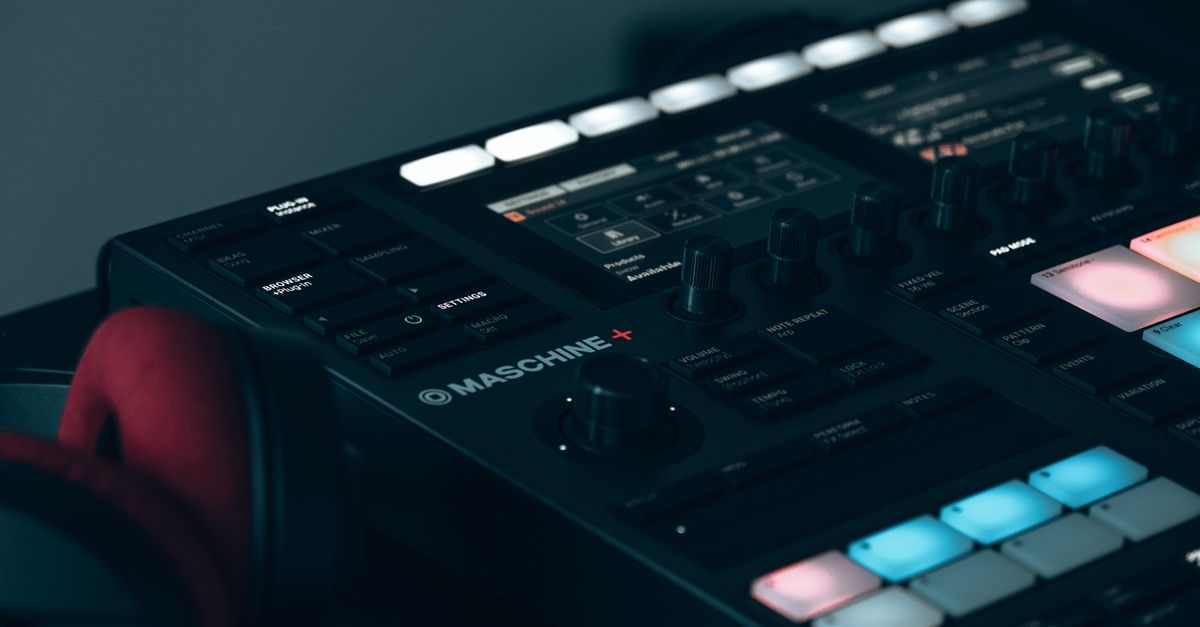
- The MIDI Controller Locker: You don’t need to buy a $400 keyboard. The school has a checkout system for everything from Akai MPCs to Ableton Push. I grabbed a Push 2 for a weekend and built an entire EP. Zero cost, maximum output.
- The “Live Sound” Crash Course: There’s a short, non-credit workshop on how to set up a PA system. Sounds boring, right? Wrong. I used that knowledge to freelance at a local venue and made $500 in one weekend. Skills pay bills.
Why “Practice Rooms” Are Overrated (And What to Do Instead)
Every music student knows the practice rooms—those tiny, soundproofed boxes with a piano, a mirror, and a lingering scent of regret. Sure, they’re useful for scales. But if you’re spending more than 30% of your time in a practice room, you’re wasting it.
Here’s the controversial truth: real growth happens outside the room. NTC Ho has resources that directly simulate real-world scenarios:
- The Mock Gig Setup: The school’s event space can be transformed into a stage with full lighting and sound. Book it for a fake show. Invite friends. Record it. Watch the footage. You’ll learn more about your performance in 10 minutes of playback than in 10 hours of isolated practice.
- The Collaboration Hub: There’s a Slack channel (or Discord server, depending on the semester) where students post “looking for a drummer” or “need a vocalist for a pop track.” Join it. Stop practicing alone. Music is a conversation, not a monologue.
The “Free” Software Stack That Pros Pay For
Let’s talk money. NTC Ho provides access to software that costs thousands of dollars retail. And I’m not just talking about the obvious stuff like Ableton Live Suite or Logic Pro. I’m talking about the plugins that shape your sound:
- iZotope Ozone 11 for mastering (retail: $249)
- FabFilter Pro-Q 3 for EQ (retail: $179)
- Soundtoys 5 for effects (retail: $499)
Also, don’t sleep on the sample libraries. NTC Ho has a license for Spitfire Audio’s BBC Symphony Orchestra. That’s a $1,000 library. Use it. Layer it. Make something that sounds massive.

The “Deadline” Hack That Changes Everything
Here’s the thing nobody tells you: the biggest resource at NTC Ho isn’t gear or software—it’s the calendar. The school runs on semesters, which means built-in deadlines. And deadlines are the best creative fuel I know.
I’ve found that when I have a project due for a class, I finish it. When I have a personal project with no deadline, it sits on my hard drive for six months. Use the school’s structure to your advantage. Sign up for a recital. Enter the student composition contest. Volunteer to score a short film for a film student.
The pressure of a deadline forces you to make decisions. And making decisions—even bad ones—is better than making nothing. You can’t edit a blank page.
Your Next Move (Don’t Scroll Away)
So here’s the challenge: this week, do one thing differently. Book the studio for an hour. Join the collaboration channel. Download that plugin you’ve been ignoring. I don’t care what it is—just move.
The resources at NTC Ho are a cheat code, but only if you use them. The difference between a hobbyist and a professional isn’t talent. It’s resourcefulness. Stop waiting for permission. Stop waiting for the “right” moment. The tools are there. The only question is: are you going to pick them up?
I’ll be in Lab 3 on Thursday. Bring your headphones.