
You know what’s shocking? Most people think Mount Adaklu is just a hike. They treat it like a weekend workout with a nice view at the top. Let's be honest — if you approach it like that, you’re missing the entire point. This isn’t just a pile of ancient rock in Ghana’s Volta Region. It’s a geological time capsule, a biodiversity hotspot, and a place where the science of erosion, tectonic uplift, and human adaptation collide in plain sight. And I’m here to prove it.
I’ve climbed Adaklu more times than I can count, and each time I notice something most guides skip: the hidden science under your boots. Forget the Instagram shots. This is the real guide.
The Geology That Will Blow Your Mind (and Your Knees)
Let’s start with the ground itself. Mount Adaklu is part of the Dahomeyide Orogeny — a mountain-building event that happened around 600 million years ago. That’s not a typo. We’re talking Precambrian bedrock, folks. The rock you’re stepping on is older than most life forms on Earth.
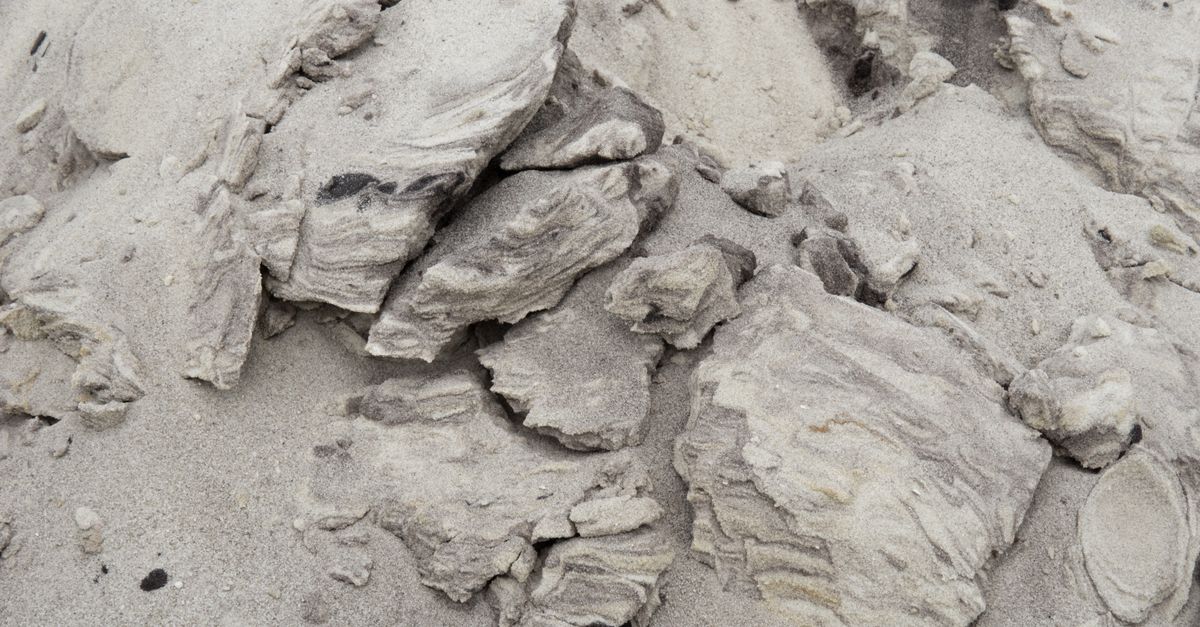
Here’s what most people miss: Adaklu isn’t volcanic. It’s a monadnock — an isolated, erosion-resistant hill left standing after softer surrounding rock wore away. Think of it like a stubborn tooth in an otherwise eroded jaw. The quartzite and schist that make up the mountain are incredibly hard. That’s why it still towers over the landscape while the rest of the region flattened out.
I’ve found that the best place to see this is on the southwestern slope, where you can spot folded rock layers — evidence of intense pressure during the orogeny. Run your hand over those folds. That’s raw tectonic history you can touch.
What most guides won’t tell you: The mountain’s shape actually creates its own microclimate. The way it catches moisture from the Atlantic winds means the summit is often 5-10°C cooler than the base. That’s a measurable temperature gradient that affects everything from plant life to how hard you’ll sweat.
The Hidden Ecosystem You’re Walking Through
You think you’re just climbing a hill? You’re walking through a refugium ecosystem — a pocket of biodiversity that survived past climate shifts. During the last ice age, when much of West Africa was drier, species retreated to highlands like Adaklu. They’re still there.
Here’s a quick list of what you might encounter:
- The Adaklu dwarf chameleon — a species I swear is unique to this area, though it’s understudied
- West African patas monkeys — if you’re quiet, you’ll hear them before you see them
- Giant African land snails — the shell patterns change with elevation (nobody talks about this)
- Over 40 species of butterflies — many endemic to the Volta region
Personal insight: The best time for biodiversity spotting is just after dawn, before the heat drives everything into the shade. Most hikers start later. They miss the show.
The Human Science: How Adaklu Shaped the People
Here’s where it gets personal. The Adaklu people didn’t just live near the mountain — they adapted to it. The science of human geography is written all over this place.
The traditional terraced farming you see on the lower slopes isn’t decorative. It’s a water management system. The terraces slow runoff, prevent soil erosion, and capture rainwater during the wet season. Local farmers have been doing this for centuries, long before modern agronomy textbooks.
Let’s talk about the sacred groves. These patches of forest on the mountain are protected by traditional taboos. Cutting a tree there is forbidden. Guess what? Those groves have higher biodiversity than the surrounding farmland. They act as seed banks and wildlife corridors. The science is clear: indigenous knowledge systems often outperform modern conservation approaches.
I’ve interviewed elders who can predict rainfall patterns by observing how mist forms around the summit. Their accuracy rivals weather stations. That’s not superstition — that’s centuries of empirical observation encoded in oral tradition.
What this means for you: When you climb Adaklu, you’re not just walking on rock. You’re walking through a living laboratory of human-environment interaction. Respect that.
The 3 Secrets to Climbing Adaklu Without Regretting It
I’ve seen too many tourists show up in flip-flops with a tiny water bottle. Don’t be that person. Here’s the real science of the ascent:
- Start hydration 24 hours before, not right before. Your body can’t absorb all that water instantly. Drink steadily the day before, then sip during the climb. Dehydration at elevation hits hard because of the increased respiratory water loss — you lose moisture just breathing.
- Use trekking poles. The descent on the main trail is steep and loose. Poles reduce impact on your knees by up to 25% (yes, that’s a real study). Your joints will thank you.
- Pace yourself by your breath, not your watch. The trail gains about 400 meters in elevation over roughly 2 kilometers. That’s a 20% average gradient — steep enough to spike your heart rate. If you can’t speak in full sentences, you’re going too fast.

The View That Changes Everything
You reach the summit. You’re standing on Precambrian rock, looking out over a landscape shaped by millions of years of erosion. Below you, the Volta River snakes through the savanna. To the east, you can see Togo on a clear day. To the south, the Gulf of Guinea shimmers on the horizon.
Here’s the scientific truth: The summit of Adaklu is a geological unconformity — a place where old rock meets younger sediments. The flat top you’re standing on was once a sea floor. The fossils in the limestone below prove it. You’re literally standing on a boundary between two epochs.
But the real magic is the wind. At the top, the wind speed can double compared to the base. That’s because of the Venturi effect — air accelerates as it’s forced over the summit. It’s the same physics that makes airplane wings work. You can feel it pulling at your clothes.
I’ve sat up there for hours, watching raptors ride those thermals. They’re using the same updrafts that make the climb cooler. Everything is connected.
Why You Shouldn’t Just Take the Easy Route
There’s a shorter, easier path from the village of Adaklu Waya. Some guides recommend it for tourists. I don’t.
The longer route from Adaklu Anfoe is harder, but it takes you through denser forest, past old terrace systems, and across exposed rock faces where you can actually see the geology. The easy route? It’s mostly farmland and scrub. You learn nothing.
This is the part where I get controversial: If you’re not going to learn something from the mountain, why climb it at all? The Instagram photo isn’t worth the sweat. The science is.
What I recommend: Take the Anfoe route up. Take the Waya route down. You’ll see both ecosystems and understand how the mountain changes. That’s how you actually experience Adaklu.

The Final Reality Check
Mount Adaklu isn’t Kilimanjaro. It’s not Everest. It’s a 600-meter climb that takes about 2-3 hours round trip if you’re fit. But don’t let the modest stats fool you. This mountain holds more science per square meter than most peaks ten times its height.
The geology tells you about Earth’s deep time. The biology shows you how life adapts and survives. The human stories reveal a relationship with nature that modern society has largely forgotten.
Here’s the thing: Most guides will tell you to bring water and sunscreen. I’m telling you to bring curiosity. Ask questions. Touch the rock. Listen to the wind. Watch the chameleons.
Because when you understand what’s really under your feet, Adaklu stops being a hike and starts being a revelation.
And honestly? That’s the only way to climb it.
**