
I’ll never forget the first time I heard someone say, “If you haven’t climbed Mount Adaklu, you haven’t really seen Ghana.” I was sitting in a dusty Accra café, half-listening to a travel blogger rant about hidden gems, and that line hit me like a cold splash of water. I’d been writing about lifestyle and travel for years, but somehow, this mountain had slipped under my radar. So I packed a bag, laced up my rattiest hiking boots, and went to see if the hype was real.
Let me tell you something: Mount Adaklu isn’t just a hike. It’s a whole lifestyle shift waiting at 1,200 feet above sea level. And the best part? Most people completely miss what makes this place special. They show up, snap a few selfies, and leave without scratching the surface. I’m going to show you the hidden layers — the secrets that turn a simple climb into a soul-stirring experience.

Why Everyone Gets Mount Adaklu Wrong
Here’s the truth: Mount Adaklu isn’t a tourist trap. It’s not a polished, Instagram-ready destination with gift shops and handrails. It’s raw, rugged, and deeply personal. Most visitors treat it like a checkbox — “climbed a mountain in Ghana, done.” But if you approach it that way, you’re cheating yourself out of the real magic.
I’ve found that the locals around Adaklu have a saying: “The mountain doesn’t give itself to those in a hurry.” And they mean it literally. The first time I tried to summit in three hours, I ended up lost, exhausted, and missing the best views. The second time, I took an entire day. I sat with farmers, shared groundnuts with kids, and let the mountain set the pace. Guess which trip changed my life?
The secret most guidebooks skip: Mount Adaklu is a living museum of Adaklu culture. The trails pass through ancient shrines, sacred groves, and villages where time seems to stand still. If you rush, you’ll miss the stories carved into the rocks and whispered by the wind.
The 3 Things You Absolutely Need to Pack (and 2 You Can Leave Behind)
Let’s talk gear, because nothing kills a vibe faster than blisters or a dead phone. I’ve made every mistake in the book, so you don’t have to.
Bring these three things:
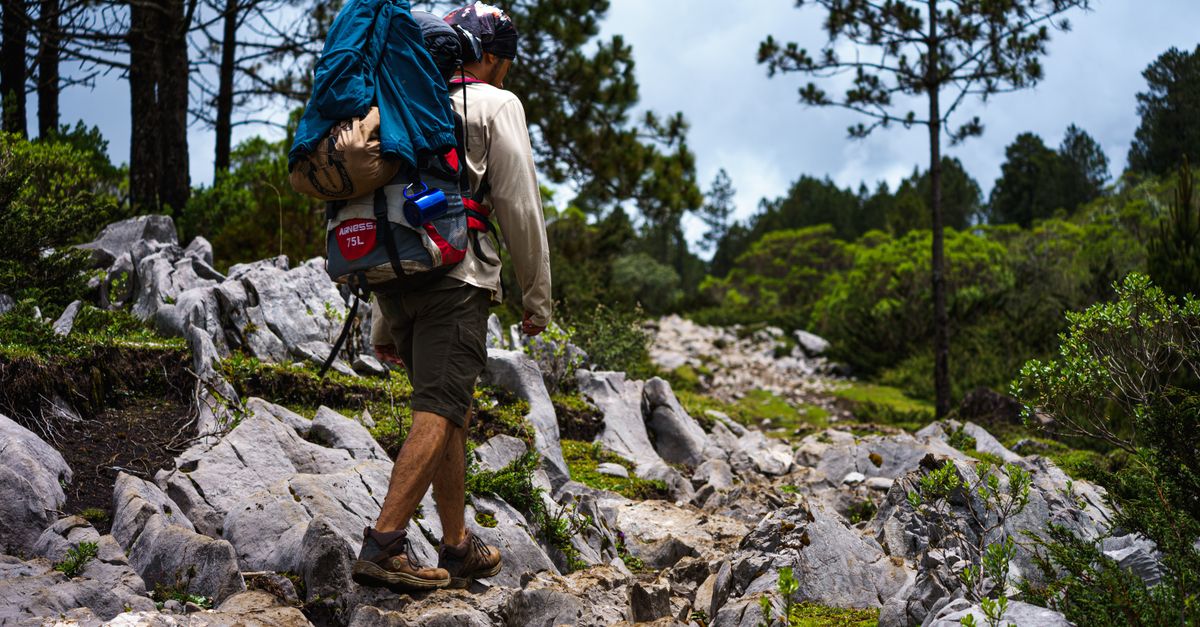
- Sturdy, broken-in hiking shoes — not sneakers, not sandals. The trail has loose rocks, steep sections, and slippery patches after rain. Your ankles will thank you.
- At least 2 liters of water — there are no vendors on the trail. Dehydration here hits fast because of the humidity and elevation gain.
- A local guide — this is non-negotiable. I hired a guy named Kofi from the village for about 10 cedis. He pointed out edible plants, warned me about a snake I almost stepped on, and told me legends that made the whole climb feel like a movie.
- Fancy camera gear — the best photos I got were from my phone. Dragging a DSLR up the mountain is just punishment. Trust me, you’ll be too busy soaking in the views to fiddle with lenses.
- Designer “hiking” clothes — you’ll look like a catalog model, but you’ll sweat through everything in ten minutes. Wear breathable, quick-dry stuff you don’t mind getting muddy.
The Best Time to Climb (and Why Most People Get It Wrong)
Everyone says “dry season, November to March.” And sure, that’s fine. But let’s be honest — dry season means crowds, dust, and that harsh midday sun that makes you question your life choices.
I’ve climbed Mount Adaklu four times now, in different seasons. Here’s my hot take: the sweet spot is late April or early May. Yes, you might get a passing shower. But the landscape is explosively green, the air is cool and clean, and the wildflowers are out. Plus, the locals are more relaxed because it’s not peak tourist season.
Here’s what most people miss: The best views happen at sunrise. If you start climbing at 5:30 AM, you’ll reach the top just as the sun spills gold over the Volta Region. The mist clings to the valleys, and you can see all the way to the Togo border on a clear day. I’ve done it twice, and both times I sat on that summit and cried a little. Not because I was emotional (okay, maybe a little), but because the beauty is that overwhelming.
How to Actually Connect With the Adaklu Community
This is the part that most travel blogs skip, and it drives me crazy. Mount Adaklu isn’t just a rock — it’s home to thousands of people. The Adaklu people have deep spiritual ties to this mountain. They believe it’s a resting place for ancestors and a source of protection.
I made a huge mistake on my first visit: I treated the climb like a solo adventure. I ignored the village, didn’t stop to talk to anyone, and basically acted like a ghost. The locals were polite but distant. On my second trip, I did things differently.
Here’s how to do it right:
- Spend time in the village first. Walk around, greet people, buy some fresh coconut or plantain chips. Learn a few words in Ewe — “Akpe” (thank you) goes a long way.
- Hire a guide from the community — not a random driver from Ho. The local guides know the sacred spots and can get you permission to enter certain areas.
- Ask about the legends. The Adaklu people have a story about a giant snake that created the mountain’s shape. Kofi told it to me, and I swear the rocks looked different after he did.
- Respect the shrines. There are small stone altars along the trail. Don’t touch them without permission. Don’t take anything. Leave an offering if you feel moved — a coin, some kola nuts, even just a silent prayer.

What Happens After You Summit (The Part Nobody Talks About)
You made it. You’re standing on top of Mount Adaklu, wind whipping through your hair, panoramic views stretching forever. Now what?
Most people take a photo, check their phone, and head down. That’s a waste. The summit is a place to sit still. I’ve found that the best moments happen in the quiet — when you stop trying to capture the view and just let it sink in.
I brought a notebook on my third climb and wrote down everything I was grateful for. It sounds cheesy, I know. But sitting on that ancient rock, looking out over the land my ancestors walked (I’m Ghanaian-American, so this hit different), I felt a connection I can’t put into words. Mount Adaklu has a way of stripping away your ego and reminding you that you’re part of something bigger.
Practical tip: Bring a snack and eat it at the summit. There’s a small flat area near the top that’s perfect for a picnic. I always pack groundnut soup and fufu from a local spot in Ho — it tastes ten times better when you’ve earned it.
The Hidden Danger Nobody Warns You About
Let’s get real for a second. Mount Adaklu is not a theme park ride. There are real risks, and pretending otherwise is dangerous.
The biggest danger? Getting caught in a sudden storm. The weather in the Volta Region can shift in minutes. I once watched a clear blue sky turn into a grey wall of rain in under twenty minutes. The trail becomes slick, visibility drops, and lightning is a real threat. Always check the forecast before you go, and turn back if you see dark clouds forming.
Other things to watch for:
- Loose rocks — especially on the descent. Take your time.
- Snakes — I’ve seen green mambas and puff adders. Keep your eyes on the trail, not your phone.
- Dehydration — you sweat more than you realize. Drink water even if you’re not thirsty.
- Getting lost — the main trail is marked, but side paths can confuse you. Stay with your guide.
Why Mount Adaklu Will Change Your Definition of Adventure
I’ve climbed mountains on three continents. I’ve done the tourist-packed trails in Nepal and the luxury hikes in the Alps. And I’m telling you, Mount Adaklu offers something those places can’t: raw, unpolished authenticity.
There’s no cable car. No souvenir shop. No Instagram-perfect cafe at the top. Just you, the rock, the sky, and a community that welcomes you like family if you let them.
The real question isn’t “Should I climb Mount Adaklu?” It’s “Am I ready to let this place change me?” Because it will. It changed me. I went from being a cynical travel writer who thought she’d seen it all, to someone who cries at sunrises and buys kola nuts from strangers.
So pack your bag, book that ticket to Ho, and go. But don’t go to conquer the mountain. Go to let the mountain conquer you. You’ll come back different — I promise.
Now get out there. The trail is waiting.