
Let me tell you something that’s been gnawing at me for months. We’re all walking around with smartphones glued to our hands, yet most people still treat their mobile wallets like glorified piggy banks. They check the balance, maybe Venmo a friend for pizza, and call it a day. But here’s the truth: mobile money isn’t just about convenience—it’s a cultural earthquake. The way we earn, spend, and even think about cash is shifting beneath our feet, and if you’re not paying attention, you’re going to get left behind in the digital dust.
I’ve been writing about tech and culture for years, and I’ve never seen anything like this. Mobile money trends are rewriting the rules of personal finance, social status, and even rebellion. Think I’m exaggerating? Let’s dig into the messy, fascinating reality.

The Great Unbanking: Why Cash Is Becoming a Relic
I remember the first time I paid for a street taco in Mexico City with my phone. The vendor, a grandmother with a weathered face and a smile that could melt glaciers, scanned my QR code like she’d been doing it for decades. That moment hit me harder than any tech conference keynote. Mobile money isn’t just for Silicon Valley hipsters anymore—it’s the backbone of emerging economies.
Here’s what most people miss: the real trend isn’t about Apple Pay or Google Wallet. It’s about the unbanked revolution. In Kenya, M-Pesa has transformed mobile money into a lifeline—over 50% of the country’s GDP flows through it. In India, UPI payments have turned every corner shop into a digital transaction hub. We’re witnessing a cultural shift where financial inclusion is no longer a dream; it’s a text message away.
But let’s be honest—the West is playing catch-up. We’re still fumbling with chip readers while my friend in Nairobi can split a bill with six people using nothing but a phone number. The trend isn’t just about technology; it’s about trust. Mobile money cultures thrive where traditional banking failed. It’s a quiet rebellion against the suits and the paperwork.
The Social Currency of Digital Tipping
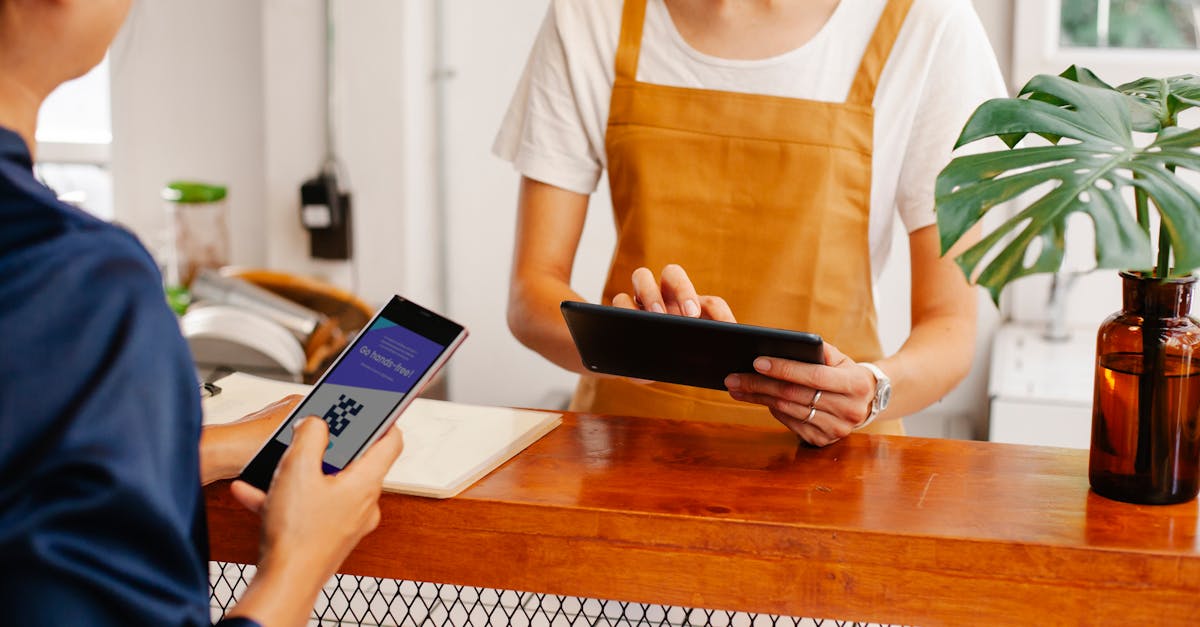
I’ve found that one of the most overlooked mobile money trends is how it’s changing our social dynamics. Think about tipping. Used to be you’d fumble for crumpled bills or awkwardly ask to add a tip to the credit card slip. Now? Platforms like Cash App, Venmo, and even Twitter’s tip jar have turned gratuity into a digital handshake. It’s faster, more transparent, and honestly, more fun.
But here’s the kicker: digital tipping is creating new hierarchies. I’ve seen creators brag about their “Tip Jar” totals on Instagram like it’s a trophy. There’s a whole subculture around who gets tipped and how much—it’s micro-patronage for the digital age. And it’s not just about money; it’s about recognition. When you tip a street musician via QR code, you’re not just paying them—you’re validating their art in a way that a coin in a hat never could.
Let me share a personal story. Last year, I tipped a barista $5 through a mobile app because she remembered my order and drew a little cat on my cup. She teared up. That transaction wasn’t about the money—it was about connection. Mobile money is turning every payment into a potential moment of human interaction. That’s culture, folks.
The Dark Side: Ghost Money and Digital Anxiety
Now, I’m not going to pretend this is all sunshine and rainbows. Every trend has a shadow. Mobile money brings a new kind of anxiety: the fear of ghost transactions, accidental transfers, or worse, getting hacked. I’ve had friends lose hundreds of dollars to phishing scams that looked like legitimate payment requests. It’s terrifying because money that wasn’t physical never feels real until it’s gone.
Here’s what most people miss: the cultural impact of this anxiety. We’re seeing a rise in digital minimalism around mobile money. People are intentionally limiting their payment apps to avoid the “phantom spending” that feels like Monopoly money. There’s even a growing subreddit community dedicated to “mobile money detoxes.” Think about that—we’re creating new rituals to cope with the very tools designed to simplify our lives.
And let’s talk about the social pressure to be always-on. If you don’t have a mobile wallet, you’re suddenly the weirdo who slows down the line. I’ve been that person. It’s embarrassing. Mobile money is creating a new cultural divide: the digital haves and have-nots. And it’s not just about access—it’s about literacy. Knowing how to navigate these systems is becoming as essential as knowing how to sign a check used to be.
The Rise of Micro-Economies and Crypto Currencies
Here’s where it gets really interesting. Mobile money is the gateway to micro-economies. I’m talking about communities built entirely around small, frequent transactions. Think about games like Axie Infinity or platforms like Twitch—they’ve created economies where people earn, spend, and trade digital currencies for everything from virtual swords to real-world groceries.
Cryptocurrencies are the wild west of this trend, and they’re forcing us to rethink what money even means. I’ve seen teenagers in the Philippines earn a living through mobile gaming and crypto trading, all from their phones. It’s not just a trend—it’s a cultural shift in how we define work and value. The 9-to-5 is being replaced by the 24/7 micro-transaction.
But let’s be real—most people are still confused by Bitcoin. That’s okay. The culture isn’t about understanding the blockchain; it’s about trusting the system. Mobile money trends are building that trust one transaction at a time. And when trust scales, economies scale.

5 Secrets You Didn’t Know About Mobile Money Culture
I’ve been digging into this topic for months, and here are some things that surprised me:
- The “Tip War” is real: In some communities, tipping via mobile apps has become a competitive sport. People screenshot their tip amounts and share them on social media. It’s a new form of status signaling.
- Mobile money is changing dating: I’ve heard stories of couples splitting dates via payment apps, and it’s actually reducing awkwardness. Some apps even let you send “love payments” with heart emojis. Yes, that’s a thing.
- It’s killing cash-based rituals: In many cultures, giving physical money at weddings or holidays was a sacred act. Now, digital gifts are replacing envelopes. It’s efficient but controversial—older generations are pushing back hard.
- The “micro-mogul” phenomenon: I’ve seen teenagers turn pocket money into small businesses using mobile payment platforms. They’re learning entrepreneurship without ever touching a bank.
- Privacy is the new luxury: Some people are paying premiums for anonymous mobile money services. It’s a rebellion against the surveillance economy. Want to be invisible? Pay with cash—or use an encrypted wallet.
The Future: Will Mobile Money Replace Everything?
I’m not going to pretend I have a crystal ball, but I can tell you this: mobile money is becoming as natural as breathing for the next generation. My nephew, who’s six, asked me the other day why people use “old paper” when they could just tap their watch. That’s the future, folks.
But here’s the question that keeps me up at night: Are we losing something in the process? The tactile pleasure of counting bills, the trust in a handshake sealed with cash, the anonymity of a paper trail that disappears—all of that is fading. Mobile money is convenient, but it’s also a tool for control. Every transaction leaves a digital footprint. Every purchase is tracked. We’re trading privacy for speed.
So here’s my challenge to you: Don’t just use mobile money—understand it. Ask yourself what you’re giving up and what you’re gaining. Experiment with different platforms. Tip someone today just to see their reaction. Start a micro-economy with your friends. Because the culture of mobile money isn’t being written by corporations or governments—it’s being written by you, me, and that grandmother in Mexico City.
The future is in your pocket. What are you going to do with it?