
Picture this: I’m standing in a bustling market in Marrakech, clutching a handful of Moroccan dirhams that a local shopkeeper had just handed me as change. My phone buzzes—it’s my bank, alerting me that I’ve been charged a $5 foreign transaction fee for a coffee I bought an hour ago. Meanwhile, a traveler next to me taps her phone against a terminal, pays in seconds, and walks away with a smile. I felt like a time traveler stuck in 2015, while she was living in 2025. That’s when it hit me: the way we move money while traveling is changing faster than we are. And if you’re not paying attention, you’re leaving cash on the table—literally.
Let’s be honest: travel is already stressful enough. Lost luggage, delayed flights, and the eternal debate over whether to pack an extra pair of shoes. But money? That’s the silent stressor that can ruin a trip faster than a canceled reservation. I’ve found that mobile money trends are the unsung heroes of modern travel, and they’re evolving in ways that most people miss. So grab your passport (and your phone), because I’m about to spill the tea on what’s actually happening with mobile payments on the road.
The Cashless Nomad: Why Your Wallet Is Collecting Dust
Remember when “travel money” meant a fanny pack stuffed with foreign cash, a traveler’s check, and a prayer? Yeah, me neither—I’m not that old. But even a few years ago, I’d still hit up an ATM at the airport, praying the exchange rate wasn’t a robbery in disguise. Now? My phone is my wallet, my bank, and my currency converter rolled into one.
Here’s the shift: mobile money isn’t just about convenience anymore—it’s about financial inclusion on the go. In places like Kenya, M-Pesa has been a game-changer for locals, but now travelers are catching on. I was in Nairobi last year, and I paid for a safari guide, a street-side chapati, and even a matatu ride (those wild minibuses) using just my phone. No cash, no cards, no hassle. The trend? Peer-to-peer mobile payments are becoming the norm for cross-border travel. Apps like Wise, Revolut, and even PayPal are letting you hold multiple currencies without the fees that used to eat your budget.
But here’s what most people miss: it’s not just about the apps. The infrastructure is catching up. Airports, hotels, and even remote villages are installing QR code systems that work with your phone’s camera. I remember hiking in the Andes, and a local weaver accepted payment via a QR code taped to her alpaca wool stall. I was floored. The travel industry is finally realizing that cashless doesn’t mean clueless—it means smoother, faster, and often cheaper transactions.

The Hidden Fees Trap: How Your Phone Is Saving You (Or Not)
Let’s get real for a second. Not all mobile money is created equal. I learned this the hard way when I used my bank’s app to pay for a hostel in Thailand. The transaction went through, but I later saw a 3% foreign transaction fee, a currency conversion markup, and a “convenience fee” that made me want to throw my phone into the Chao Phraya River. That’s the dirty little secret of mobile money trends: the tech is amazing, but the fees can be sneaky.
So, what’s the solution? Specialized travel wallets. I’ve been testing a few, and here’s my honest take:
- Wise – No hidden fees, real exchange rates. I used it to pay for a train ticket in Japan, and it was almost identical to the mid-market rate.
- Revolut – Great for multi-currency accounts, but watch out for weekend markup fees.
- PayPal – Ubiquitous, but the conversion rates are brutal for small transactions.
- Local apps – In China, Alipay and WeChat Pay are king. In India, UPI is the standard. Don’t assume your Western app works everywhere.
The Rise of Digital-Only Banks for Travelers
I’ll never forget the time I lost my physical wallet in Barcelona. Panic set in—I had cash, a card, and my ID in there. But here’s the thing: my digital bank was already my backup. I had accounts with Monzo and N26, and within minutes, I could freeze my cards, transfer money to a friend, and even get a virtual card for online bookings. That’s the power of mobile money trends in travel: your bank is now in your pocket, not in your pocket.
Digital-only banks are exploding for a reason. They offer no-fee international transactions, instant notifications, and budgeting tools that traditional banks can’t match. I’ve found that using a digital bank for travel is like having a personal finance assistant who never sleeps. For example, Monzo’s “pots” feature let me set aside a “fun fund” for spontaneous street food adventures, while my main account stayed untouched. And when I needed to split a hotel bill with friends, the app handled it in seconds—no awkward “who owes what” conversations.
But here’s the truth: not all digital banks are travel-friendly. Some have daily withdrawal limits that are laughably low (looking at you, some US-based neobanks). Others charge for ATM withdrawals after a certain number. My advice? Test your digital bank before you travel. Make a small transaction in a different currency, check the fees, and see if the app works offline (because you won’t always have Wi-Fi in the middle of a Moroccan souk).

The Secret Weapon: Cryptocurrency and Travel
Okay, I know what you’re thinking: “Lily, are you about to tell me to buy Bitcoin for my trip?” No, relax. But here’s the thing—crypto is becoming a legit mobile money trend for travelers, and it’s not as crazy as it sounds. I met a digital nomad in Bali who paid for her entire month-long stay using Ethereum. She wasn’t a tech bro; she was a freelance writer who got tired of bank fees.
The trend is small but growing: more travel companies are accepting crypto. You can book flights on Travala, pay for hotels on Expedia via BitPay, and even buy travel insurance with Bitcoin. The real magic? Stablecoins. These are cryptocurrencies pegged to the dollar, so you avoid the volatility that makes Bitcoin a roller coaster. I’ve used USDC to pay for a hostel in Colombia, and the transaction was instant, with a fraction of the fees a bank would charge.
But let’s be real: crypto travel isn’t for everyone. You need a wallet, some technical know-how, and a willingness to deal with tax implications. Plus, not every corner store in Vietnam accepts crypto. Yet. But if you’re someone who values privacy and low fees, it’s worth exploring. The trend is clear: mobile money is becoming decentralized, and travelers are the early adopters.
The Future: Biometrics and AI-Powered Payments
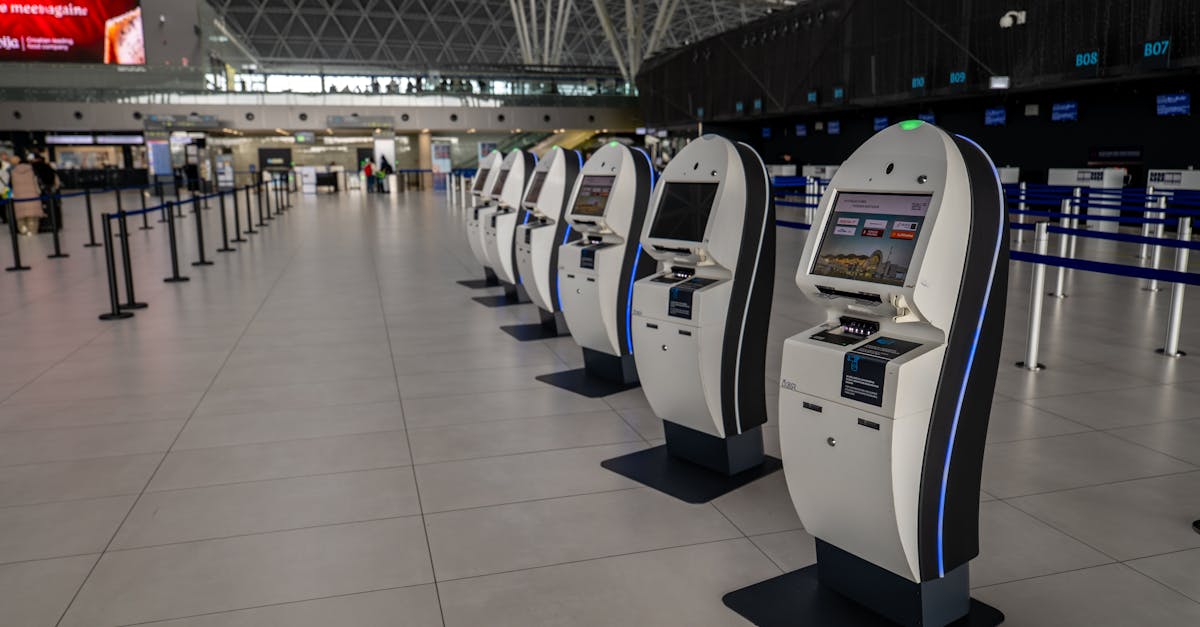
Here’s where it gets wild. I recently tested a biometric payment system at a hotel in Singapore. I just looked at a screen, and my payment was processed. No phone, no card, no PIN. It felt like something out of a sci-fi movie, but it’s real. The trend? Mobile money is moving beyond your phone.
Imagine this: you’re at a airport lounge, and your face is your boarding pass and your wallet. Or you’re at a museum, and your fingerprint pays for the ticket. Biometric payments are already rolling out in major travel hubs like Dubai, Tokyo, and London. The benefit? Speed and security. No more fumbling for your phone or worrying about pickpockets.
But there’s a catch: privacy concerns. Are you okay with your biometric data being stored by a third party? I’m not entirely sure yet. Still, the convenience is undeniable. I think we’re heading toward a future where your identity is your payment method, and mobile money apps are just the middlemen.
The Bottom Line: Your Phone Is Your Passport (And Your Wallet)
So, what’s the takeaway from all this? Mobile money trends are reshaping travel in ways that save you time, money, and headaches. Whether you’re using a digital bank, scanning QR codes in a market, or dabbling in crypto, the key is to stay adaptable. Don’t rely on one method—have a backup. I always travel with a physical card (just in case), a digital wallet, and a small stash of local cash for emergencies.
Here’s my challenge to you: before your next trip, audit your mobile money setup. Ask yourself: Are you paying unnecessary fees? Do you have a backup if your phone dies? Can you pay in local currencies without getting ripped off? The answers might surprise you.
And if you’re feeling adventurous, try paying for something using a method you’ve never used before—like a QR code at a street vendor or a crypto transaction. The worst that can happen is you learn something new. The best? You’ll never look at travel money the same way again.
Now, go forth and travel light—your phone is all you need.