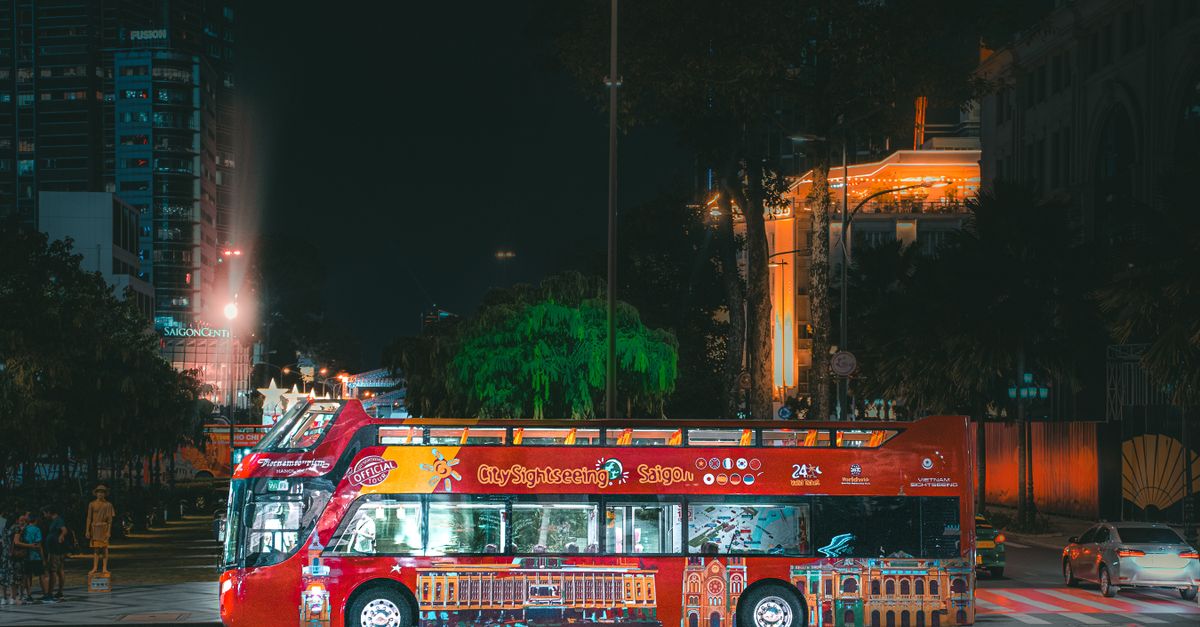
I still remember the exact moment I understood why we travel. I was sitting on a worn wooden bench in a small village in Ghana, watching a group of tourists rush past a local elder without a second glance. They were so focused on checking boxes—the waterfall, the market, the "authentic" dance performance—that they completely missed the living, breathing culture right in front of them. That day, I had a quiet revelation: most people see a place, but they never truly experience its soul. And that’s where Ho Tourism—the art of slowing down and immersing yourself in the heartbeat of a destination—becomes a game-changer.
Let’s be honest: the world is obsessed with travel. We post the perfectly curated Instagram shots, the sunset cocktails, the "off-the-beaten-path" hikes. But too often, we return home feeling… hollow. We saw the sights, but we didn’t feel the place. We collected photos, but not stories. We consumed, but we didn’t connect.
Here’s what most people miss: real travel isn’t about where you go—it’s about how you show up. And Ho Tourism (yes, named after the vibrant Ho region in Ghana, but now a philosophy for any traveler) is the antidote to the checklist culture. It’s about presence, patience, and the profound joy of being a guest, not a consumer.
Why Your "Perfect" Vacation Is Actually Empty
Think about your last trip. Did you spend more time planning your itinerary than actually talking to a local? Did you feel a rush of dopamine when you booked the "experience," only to feel a quiet emptiness afterward?
I’ve been there. I planned a "dream" trip to a famous city once—every museum, every landmark, every recommended restaurant. By day three, I was exhausted, my camera roll full, my spirit empty. I was a ghost in someone else’s home.
Here’s the uncomfortable truth: the travel industry has turned culture into a commodity. We pay for "authentic experiences" that are often staged. We photograph people like they’re exhibits. We leave a trail of plastic bottles and missed human connections.
Ho Tourism flips the script. It asks you to slow down, to listen more than you talk, and to realize that the best "attractions" are often the unplanned moments.
The 5 Pillars of Ho Tourism (That Will Change How You Travel Forever)
I’ve distilled this philosophy into five principles that have transformed my own journeys. And trust me, once you adopt them, you’ll never travel the same way again.
- Presence Over Pre-Planning: Stop over-scheduling. Leave empty space in your day. The magic happens in the gaps—the unexpected invitation to a family dinner, the conversation with a market vendor that leads to a secret viewpoint.
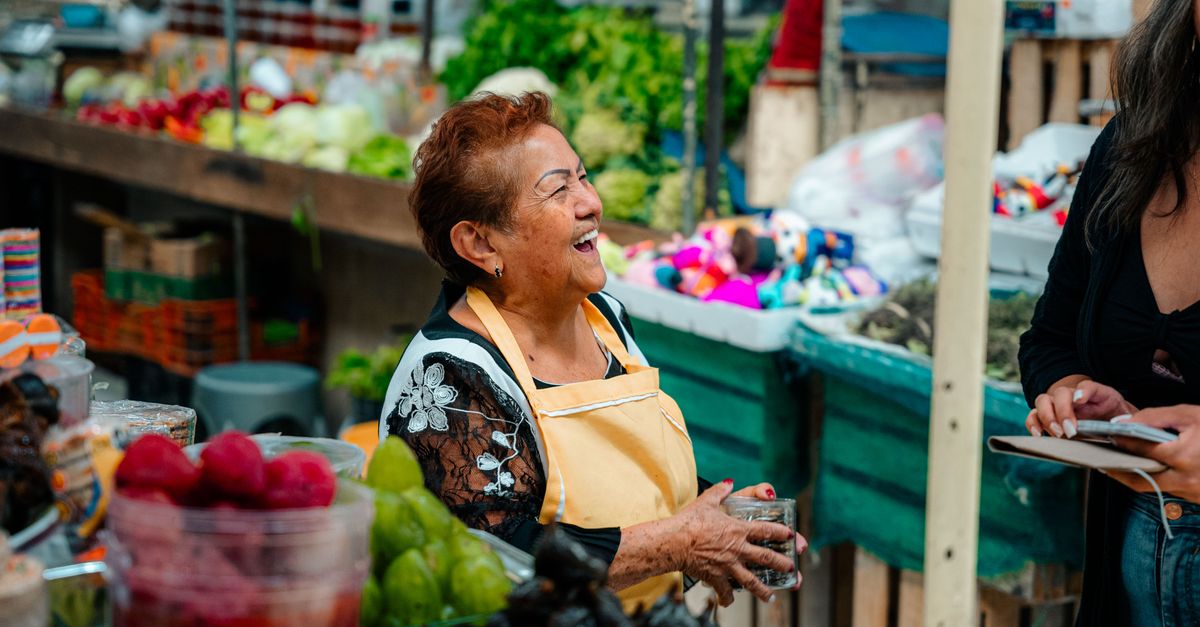
- Connection Over Consumption: Instead of asking "What can I see?", ask "Who can I meet?" The currency of real travel is conversation, not cash. Share a meal, learn a greeting in the local language, ask about someone’s day.
- Humility Over Expertise: You are a student, not a critic. You don’t know the local customs better than the people who live them. Approach every interaction with awe, not arrogance.
- Patience Over Efficiency: Things will be "slow." The bus will be late. The food will take time. That’s not a problem—it’s a feature. In slowness, you find depth. Rush through a place, and you only skim the surface.
- Impact Over Photos: Take fewer pictures. Engage more. Your memory will be richer than any filter can make it. And the small choices—buying from a local artisan, tipping generously, respecting sacred spaces—create ripples that last long after your flight leaves.
The Surprising Science Behind "Slow Travel" (Yes, It’s Real)
Now, I’m not just making this up. There’s actual research behind why Ho Tourism makes you happier. Psychologists call it "deep immersion" —the state where your brain stops multitasking and starts truly absorbing.
When you rush from one attraction to the next, your brain stays in "survival mode." You’re checking items off a list, which activates the same stress pathways as completing work tasks. But when you slow down, sit still, and observe, your brain shifts into a state of "awe"—that feeling of being part of something bigger than yourself.
I’ve found that awe is the secret ingredient to transformative travel. It’s the feeling you get when you watch a sunset without checking your phone, or when a stranger shares their story with you. It’s not about the destination—it’s about the quality of your attention.
And here’s the kicker: this isn’t just about travel. It’s a life skill. The more you practice Ho Tourism, the more you realize that the same principles apply to your daily life. Are you rushing through your own home town? Are you consuming your own culture instead of connecting with it?
How to Practice Ho Tourism Right Now (Even If You Can’t Travel)
You don’t need a plane ticket to start. In fact, the best place to begin is right where you are.
Start With Your Own Backyard
I challenge you to play tourist in your own city this weekend. Leave your phone at home. Walk a street you’ve never walked. Talk to a shopkeeper you’ve walked past a hundred times. You’ll be shocked at what you’ve been missing.
Hack Your Next Trip (The Ho Way)
When you do travel, here’s my personal checklist:
- Day 1: Do nothing. Seriously. Just wander. Get lost. Acclimate.
- Find a "third space": A café, a park bench, a community center. Go there twice. The locals will start to recognize you. That’s where the real stories begin.
- Learn one phrase: Not "Where is the bathroom?" but "How are you?" or "That’s beautiful." Language is the key to the heart.
- Say yes to awkward invitations: That weird-looking fruit? Try it. The uncle who insists you come for dinner? Go. The best memories live outside your comfort zone.

The Hidden Danger of "Bucket List" Travel (And What to Do Instead)
I’m going to say something controversial: bucket lists can be toxic. They turn travel into a competitive sport. They make you focus on "collecting" countries instead of experiencing them.
I’ve met people who have "done" 50 countries and can barely remember a single person’s name from any of them. And I’ve met people who have only visited one village but can tell you the names of every child, the stories behind every scar, and the rhythms of every season.
Which traveler is richer?
Ho Tourism isn’t about the quantity of stamps in your passport. It’s about the quality of the imprints left on your heart.
Here’s my personal rule: I now travel to receive, not to achieve. I go to a place to learn from it, to be changed by it, not to conquer it. This shift in mindset has made every journey infinitely more meaningful.
The One Question That Will Change Your Travel Forever
Before you book your next trip, ask yourself this: "Am I going to see a place, or am I going to meet a place?"
If you’re going to see it, you’ll return with photos.
If you’re going to meet it, you’ll return with a piece of its soul.
And that’s the heart of Ho Tourism. It’s not a destination—it’s a way of being. It’s the decision to trade the checklist for the conversation, the itinerary for the invitation, the photo for the feeling.
The world is not a museum to be observed. It’s a home to be visited.
So the next time you step off a plane, take a deep breath. Leave your expectations at the gate. Open your heart instead of your guidebook.
You might just find that the best "attraction" in any place is the person standing next to you, waiting to be seen.
And that, my friend, is the real journey.