
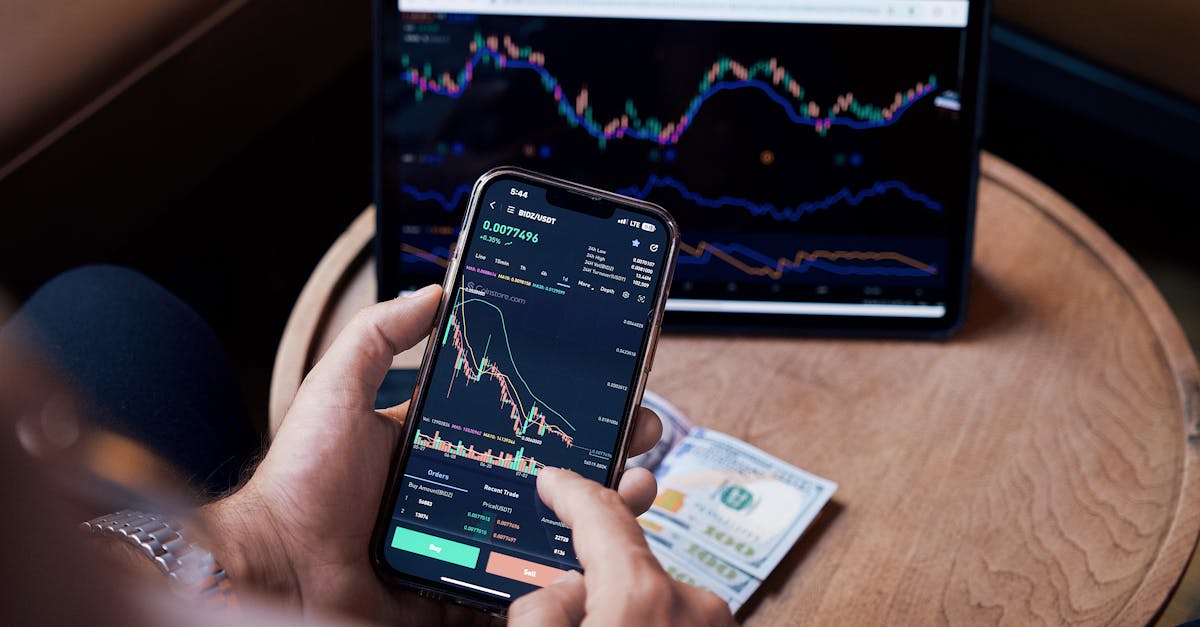
I was sitting in a coffee shop last Tuesday, eavesdropping on two guys at the next table. One was bragging about his "killer crypto play." The other was nodding along, looking impressed. But here's the thing — when I glanced over, I saw the first guy's phone screen. He was literally on a gambling site. Not trading. Not investing. Just straight-up betting on red.
And I thought to myself: this is exactly why most people lose money in finance.
They confuse technology with magic. They think a slick app and a few buzzwords like "AI" or "blockchain" mean guaranteed returns. But the reality? Ho Technology — that overhyped, under-explained beast — is here to stay. And if you don't understand how it actually works, you're just gambling with a better interface.
Let's fix that.
The Hidden Truth About "Ho Technology" Nobody Talks About
I've been writing about finance tech for years, and I've found that most people miss the single most important thing about Ho Technology: it's not about the tech itself. It's about how it changes your behavior.
Here's what I mean. When I first got into automated trading bots, I thought I'd cracked the code. Set it, forget it, watch the money roll in. Three months later, I was down 40%. Why? Because I didn't understand that the bot was just executing my terrible strategy faster.
Ho Technology in finance is like giving a Ferrari to a teenager who just got their license. The car isn't the problem. The driver is.
Let's break down the real mechanics:
- Algorithmic trading doesn't create value — it amplifies your decisions
- AI-powered portfolios are only as good as the data you feed them
- Blockchain transactions won't save you from buying a worthless token
The 3 Things Ho Technology Actually Does Well (And 1 It Does Terribly)
Let's be honest — I'm not here to trash technology. I use it every single day. But I've learned that the best finance tools know their limits. Here's what Ho Technology genuinely excels at:
1. Speed and automation — It can execute trades in milliseconds, rebalance portfolios automatically, and scan thousands of assets for patterns you'd never spot. That's real power.
2. Democratization of information — Twenty years ago, only hedge funds had access to real-time market data. Now, anyone with a smartphone can see the same charts. That's a game-changer.
3. Reducing friction — Sending money across borders, paying bills, tracking expenses — Ho Technology makes the boring stuff painless. And in finance, boring is often profitable.
But here's the thing it does terribly:
Emotional intelligence.
I can't tell you how many times I've watched people panic-sell during a dip because their app sent them a "price alert" with a red arrow. The technology triggered the fear. It didn't help them think. Ho Technology can process data, but it can't process human psychology.
And that's where most of the money gets lost.

Why Your Brain Hates Ho Technology (And What to Do About It)
I've got a confession: I'm a tech addict. I love new gadgets, shiny apps, and clever algorithms. But I've also had to admit something uncomfortable: my brain is wired to misuse them.
Here's a study that blew my mind. Researchers found that when people use automated investment tools, they check their portfolios more often, not less. The very tool designed to reduce anxiety actually increases it. Why? Because it makes the information too easy to access.
Your brain sees a 5% drop and screams "SELL!" even though the rational part of you knows the market will probably recover. Ho Technology just amplifies that scream.
So what's the fix?
I've found that the most successful finance tech users have one thing in common: they set boundaries.
- They turn off push notifications for price movements
- They check their portfolios once a week, not once an hour
- They use automation for execution, not for decision-making
The Secret Sauce: How I Learned to Make Ho Technology Work for Me
Alright, let's get practical. I've spent years testing different Ho Technology tools — from robo-advisors to crypto bots to AI-powered analytics. And I've narrowed it down to a system that actually works.
Here's my personal framework:
Step 1: Use technology for the boring stuff I automate my monthly savings, bill payments, and expense tracking. These are low-risk, high-reward tasks. The technology saves me time and prevents mistakes.
Step 2: Keep technology away from the emotional stuff I never use automated trading for volatile assets. Never. I've learned that when emotions are high, manual decisions are better — even if they're slower.
Step 3: Always have a human override Every single bot or algorithm I use has an "off switch." And I test it regularly. If I can't stop the technology immediately, I don't use it.
Step 4: Question everything Just because an app says "AI-powered" doesn't mean it's smart. I've found that most "AI" in finance is just a fancy way of saying "if-then statements." Ask yourself: what data is this using? How does it handle unusual events?
This system isn't sexy. It won't make you a millionaire overnight. But it will keep you from losing your shirt. And in finance, not losing is half the battle.

The Future of Ho Technology: What I'm Watching (And What I'm Ignoring)
I get asked all the time: "What's the next big thing in finance tech?" And here's my honest answer: I don't know, and neither does anyone else.
But I can tell you what I'm paying attention to:
- Decentralized finance (DeFi) — It's still messy, but the underlying tech is genuinely revolutionary. I'm keeping a small position in it, but nothing I can't afford to lose.
- AI-driven financial advisors — These are getting better, but they still lack the ability to handle life changes (marriage, kids, career shifts) the way a human can. I'm watching, not jumping.
- Quantum computing — Long-term game changer. Short-term? Irrelevant for retail investors.
- Every single "get rich quick" crypto scheme — If it promises 1000% returns, it's a scam. Period.
- Social trading platforms — Copying strangers' trades is just gambling with extra steps.
- Any app that asks for your seed phrase — Run. Don't walk.
The One Question You Need to Ask Before Using Any Finance Tech
Before I wrap this up, I want you to do something. Pull out your phone. Look at the finance apps you have installed. For each one, ask this question:
"Does this tool help me think more clearly, or does it make me act more impulsively?"
Be honest. I've deleted apps after asking this question. I've also kept some that I thought I hated, because I realized they were actually helping me stay disciplined.
The best Ho Technology tools are the ones you barely notice. They work in the background, handling the mechanics, while you focus on the strategy. The worst ones are the ones that constantly demand your attention, flashing alerts and notifications designed to trigger your fear or greed.
Here's what most people miss: The technology itself is neutral. It's the relationship you build with it that determines your outcome.
Final Thought: Don't Let the Tool Become the Master
I started this article with a story about a guy gambling in a coffee shop. I'm ending it with a challenge to you.
Take a hard look at how you use Ho Technology in your own finances. Are you the driver, or are you just along for the ride? Are you using the tool, or is the tool using you?
I've found that the most financially successful people don't chase the latest tech. They build simple, sustainable systems. They automate what works. They keep manual control over what matters. And they never, ever let a shiny app convince them that risk has disappeared.
Because here's the truth: technology can give you speed, convenience, and information. But it can't give you wisdom. That's still on you.
So go ahead — use the tools. Embrace the Ho Technology. But never forget who's really in charge.
Now, I'm curious: what finance tech do you use, and has it actually helped you? Drop your thoughts in the comments — I read every single one.