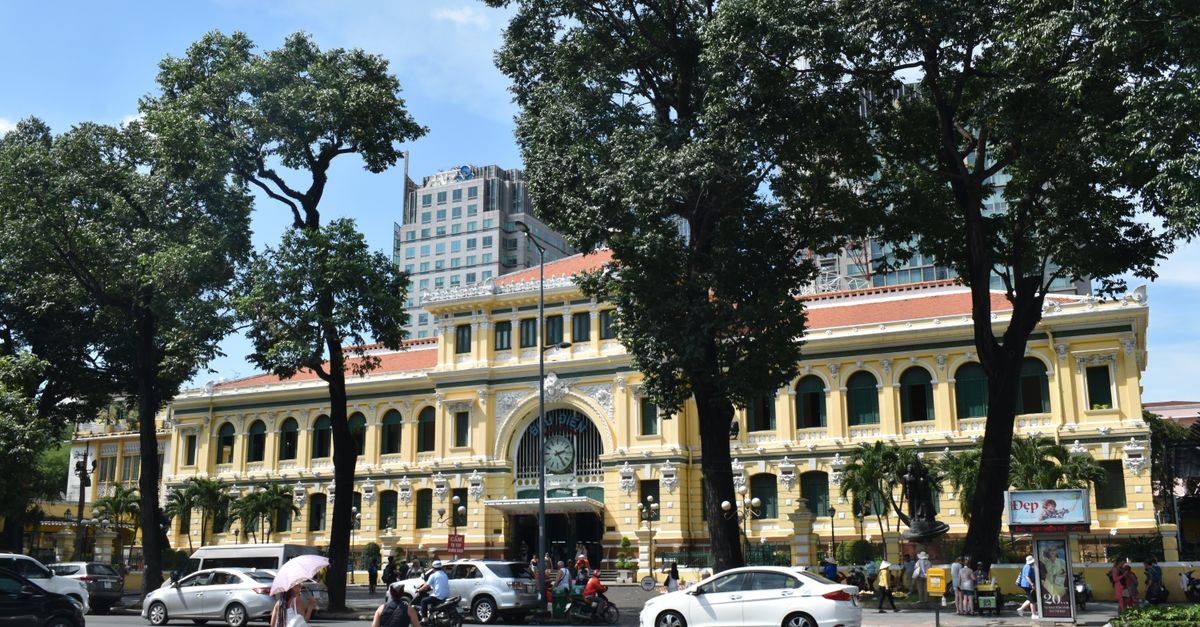
Let me tell you something about the first time I walked into Ho Central Market. I thought I knew what a chaotic Asian market felt like. I’d been through Bangkok’s floating markets, Seoul’s sprawling night markets, and even the dizzying alleys of Tokyo’s Tsukiji. But Ho Central Market? It slapped me awake in a way I never saw coming. It’s not just a place to buy vegetables or bargain for souvenirs. It’s a living, breathing organism that will mess with your senses, your wallet, and your expectations. And honestly? That’s exactly why you need to experience it.
I’m Kadek Firmansyah, and I’ve spent years digging into the soul of travel spots most people skim over. Ho Central Market isn’t on every “Top 10 Must-Visit” list — and that’s its secret weapon. It’s raw, unfiltered, and absolutely unforgettable. If you’re the type of traveler who wants to feel a place rather than just photograph it, this market will become your obsession. Let me walk you through the hidden chaos, the unexpected treasures, and the one thing most visitors completely miss.
The Honest Truth: Why Ho Central Market Will Overwhelm You (In a Good Way)
Let’s be real for a second. When you first enter Ho Central Market, the noise hits you like a wave. Sellers shouting prices in rapid-fire local dialect, the clatter of metal scales, the hum of buzzing fans over piles of dried fish. Your brain will scream, “Where do I even start?” I’ve found that most people make a critical mistake here: they freeze. They stand in the entrance, phone out, trying to document the chaos instead of diving in. Don’t be that person.
Here’s what most people miss: the market has its own rhythm. The early morning hours (6 AM to 8 AM) are for locals — serious shoppers who know exactly where to find the freshest produce and the cheapest cuts of meat. By 9 AM, the tourist wave crashes in, and the prices subtly shift. I’ve learned to arrive at 7:30 AM, grab a coffee from a tiny stall near the north entrance (the old lady with the chipped teapot makes the best brew), and just watch for 15 minutes. You’ll notice patterns. The fruit sellers near the center rotate their stock every hour. The spice vendors have a secret handshake with regulars.
The overwhelm is the point. It forces you to slow down, to use your instincts instead of a map. I’ve seen travelers walk in, take one look, and leave within five minutes. They missed everything. The real experience? It’s in the sticky humidity, the accidental elbow bumps, the moment you lock eyes with a seller and they offer you a taste of something you’ve never heard of. That’s where the magic lives.
5 Surprising Things You Can Only Find at Ho Central Market
I’ve been to dozens of markets across Southeast Asia, and I’ll tell you straight up: Ho Central Market has some items that will blow your mind. Not the generic “handmade crafts” you see everywhere — I’m talking about genuine, WTF-did-I-just-find treasures.
- Smoked snakehead fish that tastes like bacon. I’m not kidding. A vendor named Mr. Li has been smoking these fish for 40 years. He uses a secret blend of tamarind and wild pepper. One bite, and you’ll understand why locals buy them by the kilo.
- Vintage medicine bottles from the 1960s. Tucked in a corner near the fabric section, an old man sells glass bottles with faded Chinese labels. Some still have dried herbs inside. He doesn’t speak English, but he’ll gesture for you to smell the contents. It’s eerie, fascinating, and oddly beautiful.
- Hand-painted funeral urns. Yes, you read that right. Not morbid — artistic. A woman in her 70s paints intricate scenes of village life on small ceramic urns. Each one tells a story. I bought one (for decoration, not burial, relax) and it’s my favorite conversation starter.
- Fermented shrimp paste that will ruin all other shrimp paste for you. The smell alone will clear a room, but the flavor is a punch of umami that’s almost spiritual. The vendor, a quiet guy named Tran, has been making it for 30 years. He won’t sell to you unless you taste it first. Fair warning: your breath will smell for hours. Worth it.
- A hidden photo studio in the back. No sign, no advertising. Just a curtain and a wooden stool. An elderly photographer named Mrs. Hoa takes black-and-white portraits using a vintage Rolleiflex. She’s been doing it since 1972. The photos look like they belong in a museum. She charges $5. Bring cash and a willingness to laugh at yourself — she’ll make you pose in ways you never imagined.

The Hidden Alley Most Tourists Walk Right Past
Here’s the insider move: find the alley that smells like burnt sugar. It’s not on any map. It’s not in any guidebook. It’s a narrow passage between a dried seafood stall and a shop selling plastic buckets. Most people walk right past because it looks like a dead end. It’s not.
This alley leads to a mini-compound of five families who’ve been making traditional rice paper for three generations. The process is hypnotic. Women sit on low stools, dipping bamboo screens into vats of rice batter, then flipping them onto bamboo mats to dry in the sun. The smell of toasted rice and charcoal fills the air. One family lets you try your hand at making a sheet. I failed miserably — my rice paper came out lumpy and tore apart. But the grandmother running the operation laughed so hard she nearly fell off her stool. That moment alone was worth the trip.
Inside this compound, you’ll also find a tiny stall selling grilled pork skewers with a dipping sauce that’s been passed down since the 1950s. The sauce is a family secret — they won’t tell me what’s in it, but I suspect fermented pineapple and fish sauce. I ate three skewers standing in the alley, juice running down my chin, while a stray cat watched me with judgmental eyes. It was one of the best meals of my life.
If you want to experience Ho Central Market like a local, skip the main aisles for an hour. Find this alley. Get lost. Let the smell guide you.
How to Bargain Without Being a Jerk (The Local Way)
Let’s be honest: bargaining can feel awkward. You don’t want to insult anyone, but you also don’t want to pay triple the price. I’ve seen tourists haggle aggressively, waving hands and frowning, and it kills the vibe. Here’s the truth I’ve learned after years of market hunting: bargaining in Ho Central Market is a dance, not a fight.
Start with a smile. A genuine one. These sellers deal with hundreds of faces every day — a smile makes you memorable. Then, pick up an item, make eye contact, and ask, “Bao nhieu?” (How much?). They’ll throw out a price. Counter with half. They’ll laugh, shake their head, and offer something in between. That’s the sweet spot. Don’t push for more unless you’re buying multiple items. If you’re buying three or more of the same thing, you can ask for a “family discount” — just use the word “gia dinh” (family) and wink. It works every time.
One more thing: never walk away in anger. If the price isn’t right, simply say “Cam on” (thank you) and walk slowly. If they call you back, you know you’ve got a deal. If they don’t, that price was final. Respect it. I’ve made friends with three vendors this way, and now I get prices that locals pay. It took time, but it’s worth it.
The Food You Didn’t Know You Needed (And Where to Find It)
Ho Central Market isn’t just about shopping — it’s a food paradise hidden in plain sight. But you have to know where to look. The main food court is fine, but it’s for tourists. The real action is in the back corners.
Near the southeast exit, there’s a woman who sells nothing but bun thit nuong (grilled pork vermicelli) from a cart that’s older than me. She’s been at the same spot for 35 years. Her pork is marinated in a secret blend of lemongrass, honey, and fish sauce, then grilled over charcoal until it’s caramelized. She serves it with fresh herbs, crushed peanuts, and a fish sauce dressing that’s perfectly balanced — sweet, sour, salty, and spicy. I’ve eaten bun thit nuong in Hanoi, Hoi An, and Saigon. Hers is better. I’ll die on that hill.
Then there’s the che (Vietnamese dessert soup) stall run by a teenage boy who inherited the recipe from his grandmother. He serves a version with mung beans, coconut milk, and crushed ice that’s so refreshing, it’ll reset your entire day. He only makes 50 bowls a day, and they’re usually gone by 11 AM. Get there early.

And if you’re feeling adventurous, look for the man who sells silkworm pupae from a plastic bucket. Yes, it’s weird. Yes, it’s crunchy. And yes, it tastes like a nutty, buttery popcorn. He’ll give you a free sample if you make eye contact. I tried it once on a dare. Now I buy a bag every time I visit.
The One Thing You Should Never Buy (And What to Buy Instead)
I’m going to save you some money and regret. Never buy the “antique” coins or “vintage” watches displayed near the main entrance. They’re mass-produced replicas designed to catch tourists who want a “unique” souvenir. The sellers know this. They’ll tell you stories about how the coins were found in a temple or passed down through generations. Lies. All lies.
Instead, spend your money on hand-painted lacquerware from a family stall in aisle 7. The Nguyen family has been making lacquer bowls and trays for four generations. Each piece is hand-painted with scenes of lotus flowers, dragons, or village life. The quality is stunning — the lacquer is thick, the colors are vibrant, and they’ll last for decades. I bought a set of six bowls five years ago, and they still look brand new. The cost? About $15 per bowl. That’s a steal for art that took three weeks to make.

Another smart buy: local spices. The spice vendors near the center sell small bags of ground cinnamon, star anise, and wild pepper for pennies. I stock up every time I visit. The cinnamon is so fragrant, it’ll make your kitchen smell like a bakery for weeks. And the wild pepper? It has a citrusy kick that’ll ruin all other pepper for you. Trust me.
Why You’ll Leave Different Than You Arrived
Here’s the thing about Ho Central Market that I can’t put into a guidebook: it changes you. Not in some dramatic, life-altering way — but in small, cumulative shifts. You’ll leave with sticky fingers, a bag full of weird spices, and a new understanding of what it means to be part of a place rather than just passing through.
I’ve found that the best travel experiences aren’t the ones you plan — they’re the ones that ambush you. The random conversation with a spice vendor who shows you how to grind pepper by hand. The bowl of noodles shared with a stranger who becomes a friend. The moment you realize you’ve been wandering for three hours and haven’t checked your phone once.
Ho Central Market isn’t pretty. It’s loud, messy, and sometimes overwhelming. But it’s real. And in a world of curated Instagram feeds and sanitized travel experiences, real is the rarest thing you can find.
So go. Get lost. Smell the burnt sugar. Eat the weird stuff. Bargain with a smile. And let the market work its magic on you. You’ll come back with more than just souvenirs — you’ll come back with stories that actually mean something.
Now stop reading and go book that ticket. The market’s waiting.