My cousin Fatou called me last week in a panic. Her eight-year-old son, Amadou Jr., had just come home from school with a note saying he’d need a physical before soccer tryouts. She’s a single mom working two jobs, and her immediate thought wasn’t “Great, he’s active!” — it was “Where am I going to find $200 and three hours off work?” That moment, right there, is the gap between healthcare being a right and being a privilege in our education system. Let’s be honest, most of us have been there. We’re not talking about broken bones on the playground; we’re talking about the broken system that keeps kids from even getting on the playground in the first place.
Here’s the shocking truth most people miss: Healthcare and education are not separate planets. They’re the same damn solar system. You can’t teach a child who can’t see the board, can’t hear the lesson, or is too hungry to focus. Yet, we treat school health like an afterthought — a band-aid on a bullet wound. I’ve seen it in my own neighborhood: kids with untreated asthma missing 20 days of school a year. That’s not an educational problem; that’s a health crisis masquerading as truancy.
The 3 Things Schools Get Wrong About Student Health (And It’s Not Their Fault)
Let’s give teachers and administrators some grace. They aren’t doctors. But the system is set up to fail everyone. Here’s what I’ve observed after talking to dozens of educators and parents:
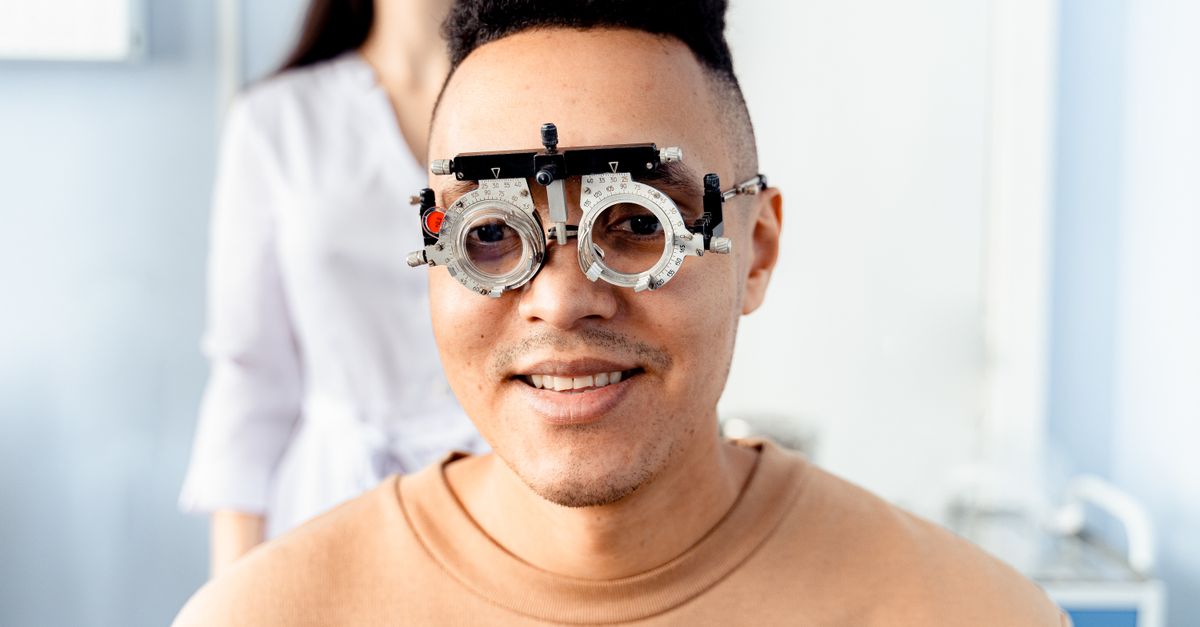
- Vision screenings are a joke. We still use the Snellen chart from 1862. A kid squints at a wall, reads a few letters, and gets a pass. Meanwhile, 1 in 4 children has an undiagnosed vision problem that directly impacts reading comprehension. I’ve met kids labeled “slow readers” who just needed glasses.
- Mental health is treated like a discipline issue. A kid having a panic attack gets sent to the principal’s office. A kid with ADHD gets detention for fidgeting. We’ve criminalized symptoms of illness. It’s backwards.
- The school nurse is a myth. In many districts, one nurse covers three or four schools. A full-time nurse? That’s a luxury. I’ve heard stories of secretaries administering insulin. Let that sink in.
Why Your Kid’s Absenteeism Is a Health Red Flag
Here’s a stat that keeps me up at night: Chronic absenteeism (missing 10% or more of school days) has doubled since the pandemic. Everyone blames the phones, the laziness, the lack of motivation. But the data tells a different story.
When I dug into the research from the American Academy of Pediatrics, the number one driver of chronic absenteeism? Health issues. Asthma, dental pain, unmanaged diabetes, anxiety. Kids aren’t skipping school because they’re bad kids. They’re skipping because their bodies are screaming at them.
I remember a boy named Ibrahim in my own community. He missed 30 days of third grade. The school labeled him “disengaged.” His mom was at her wit’s end. Turned out, he had severe tooth decay — an infection that made it impossible to concentrate. One root canal later, he was a different student. We’re punishing kids for having cavities we failed to treat.
The takeaway here is simple: if your child is missing a lot of school, don’t just punish them. Ask about their body. Ask about their sleep. Ask about their stomach. The answer is almost always health-related.
The Hidden Link Between Nutrition and Test Scores (Spoiler: It’s Not What You Think)
We all know breakfast is important. But let’s get specific. The brain runs on glucose, but not just any glucose. A Pop-Tart and a carton of chocolate milk? That’s a sugar spike and a crash by 10 AM. A kid who eats that is literally unable to focus during the math block. Their brain is screaming for stable energy.
I’ve found that schools with universal free breakfast programs see a 5-10% increase in math and reading scores — not because the food is magical, but because the stability removes a stressor. When a kid isn’t wondering where their next meal is coming from, their brain can actually learn.
Here’s what most people miss: School lunch debt shaming is a public health crisis. I’ve seen kids get their trays thrown in the trash because their account was negative. That’s not a lesson in responsibility; that’s trauma. We wouldn’t do that to adults in a restaurant, yet we do it to seven-year-olds.
The solution? Universal free meals. Period. It’s not socialism; it’s investing in a workforce that can actually read and do math.

The Mental Health Elephant in the Classroom
Let’s talk about the thing nobody wants to say out loud: Our kids are not okay. The CDC reported that 44% of high school students felt persistently sad or hopeless in 2023. That’s nearly half. And what do we do? We give them one 30-minute session with a guidance counselor who’s also handling college applications and scheduling.
I’m not a therapist, but I’ve seen the difference that school-based mental health services can make. In schools that have integrated behavioral health — where a therapist is literally down the hall from the math classroom — discipline referrals drop by 40%. Suspensions drop. Attendance goes up.
The trick? Stop calling it therapy. Call it “check-in time” or “wellness break.” Kids don’t want to be stigmatized. But if you normalize it — if every kid gets a 10-minute mindfulness break or a chat with a counselor once a week — the stigma disappears.
I’ve started a small initiative in my local school: “The Quiet Room.” It’s not a punishment room. It’s a space with beanbags, noise-canceling headphones, and a trained adult where any kid can go if they feel overwhelmed. No questions asked. The results have been incredible. Kids regulate themselves. They go back to class calmer. It costs almost nothing to implement, but it requires a shift in mindset.
The One Policy Change That Would Fix Half the Problem
If I could wave a magic wand and change one thing in education healthcare, it would be this: Require every school to have a comprehensive health center, funded by a mix of federal grants and local taxes.
I’m not making this up. The School-Based Health Alliance has data showing that schools with health centers see:
- 50% fewer emergency room visits for asthma
- 33% fewer hospitalizations
- Higher graduation rates, especially for low-income students
But here’s the kicker: Only about 2,500 schools in the U.S. have one. That’s roughly 2% of all public schools. The rest? They’re relying on a part-time nurse and a prayer.
I’ve seen it work in a school in Baltimore. They had a mobile health van that parked outside every Tuesday. Kids could get flu shots, physicals, and even mental health counseling. The school saw a 20% reduction in chronic absenteeism in one year. It’s not rocket science. It’s logistics and political will.

What You Can Do Tomorrow (Without Waiting for the Government)
Okay, I know this feels overwhelming. You’re a parent, a teacher, or just a concerned human. You can’t change the entire system overnight. But here’s what you can do:
- Talk to your school nurse (if they exist). Ask about vision and hearing screenings. If they’re not happening, be the squeaky wheel.
- Volunteer for a school health fair. Many schools would love to have a dentist or optometrist come in for a day. Even a simple “check your child’s vision” flyer can help.
- Advocate for universal free meals. Write to your school board. It’s a proven intervention.
- Normalize mental health check-ins. Ask your kid “How are you feeling in your body?” instead of “How was school?” The answers might surprise you.
The next time you hear someone say “schools should stick to teaching,” remind them that a healthy child is the only child who can actually learn. Everything else is just noise.