
Did you know that one in four Gen Zers now reads the Bible at least once a week outside of church services? That’s not a typo. While the media loves to paint my generation as godless, chronically online hedonists, the reality is way more complicated — and way more interesting. I’ve found that this isn’t a return to religion as your grandma knew it. This is something else entirely. This is the Gen-Z Bible.
Let’s be honest: if you handed a 17-year-old a leather-bound King James Version today, they’d probably use it as a laptop stand. But hand them a digital app, a meme-based devotional, or a podcast breaking down the Book of Job like a true-crime series? Suddenly, they’re hooked. What most people miss is that Gen Z isn’t rejecting spirituality — they’re rejecting the packaging. The old church model feels like a dusty museum. The Gen-Z Bible feels like a survival guide for an apocalypse.
The Burnout Generation Meets Ancient Wisdom
Here’s the thing nobody talks about: we are exhausted. Anxious. Broke. Climate-scared. We’ve been told to “hustle” until our brains melt, and then we’re shocked when depression rates spike. So where do you turn when therapy costs $200 an hour and your TikTok feed is just doomscrolling?
Enter the Bible — but not the one you think.
I’ve noticed that Gen Z is gravitating toward the raw, messy parts of scripture. We don’t want polished sermons about prosperity. We want the Psalmist screaming, “My God, my God, why have you forsaken me?” because that hits different when you’re drowning in student debt. We want Ecclesiastes — “Vanity of vanities, all is vanity” — because it perfectly describes the emptiness of chasing likes and followers.
Here’s what most people miss: this generation is desperate for meaning that doesn’t come from an algorithm. The Gen-Z Bible isn’t about rules. It’s about resonance. If a verse doesn’t slap, we scroll. But when it does? We screenshot it, post it to our story, and start a group chat about it.

The 3 Surprising Formats That Hook Gen Z
If you think Bible reading still requires a pew and a hymnbook, you’re living in 1995. Gen Z consumes scripture in ways that would make your grandmother’s head spin. Here’s what I’ve seen work:
- The App Ecosystem – YouVersion isn’t just popular; it’s a cultural force. Over 600 million downloads. But the secret sauce? Reading plans with titles like “Anxiety: A 7-Day Devo” or “When You Want to Quit Everything.” It’s fast, it’s visual, and it fits between TikTok videos.
- The Audio Takeover – Podcasts like The Bible Recap or Bible in a Year with Fr. Mike Schmitz are pulling millions of listens. Why? Because you can “read” while doing dishes, commuting, or crying in the shower. Audio removes the barrier of “I don’t have time.”
- The Meme-Fication – Yes, I’m serious. Instagram pages like @genztheology or @bible_memes turn verses into shareable, funny, but genuinely deep content. A meme about Jonah being swallowed by a fish hits harder than a lecture on obedience. It’s disarming. It makes ancient texts feel like they’re talking to you, not at you.
Why “Deconstruction” Isn’t the End — It’s a Reboot
You’ve heard the word “deconstruction” thrown around. It’s the process of questioning everything you were taught about faith. For Boomers, this sounds terrifying. For Gen Z, it’s as natural as updating your phone’s operating system.
Here’s what I’ve found: the Gen-Z Bible isn’t about abandoning faith. It’s about stripping away the toxic parts. We don’t want the version of God that supports homophobia, political power grabs, or judgmental hypocrisy. We want the version that hangs out with prostitutes and tax collectors. We want the Jesus who flipped tables, not the one who endorses tax cuts.
This is where the tension lives. A 2023 Pew study found that 70% of Gen Z believe in some form of higher power, but only 30% identify as religious. We’re spiritual freelancers. We borrow from Buddhism’s mindfulness, Judaism’s justice focus, and Christianity’s grace. The Gen-Z Bible is a remix — and that drives traditionalists crazy.
But here’s the secret: this remix is actually more biblical than you think. The Bible itself is a collection of diverse voices arguing with each other. Job argues with God. Paul argues with Peter. The Psalms are basically ancient tweets of raw emotion. Gen Z gets this. We don’t need a perfect, sanitized text. We need a wrestling partner.
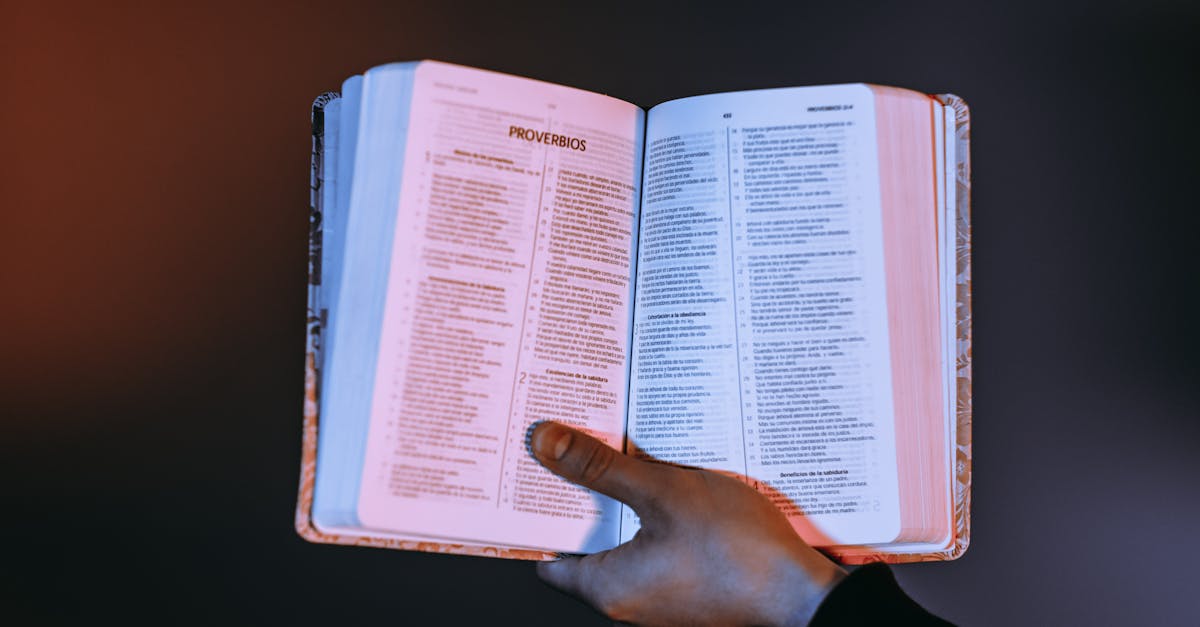
The Hidden Danger of the Gen-Z Bible
I’m not going to sugarcoat this. For all its creativity, this movement has a dark side. When you treat scripture like a buffet — picking only the verses that feel good — you risk creating a God in your own image. That’s not faith. That’s narcissism with a cross necklace.
I’ve watched friends build entire spiritual identities on a single Instagram post. One meme about grace, and suddenly they’re experts on theology. One TikTok about hell, and they’re deconstructing their entire childhood. The Gen-Z Bible can be shallow if we let it.
The antidote? Community. Real, messy, in-person community. The app is great for starters, but it can’t replace sitting across from someone who disagrees with you. The meme is funny, but it can’t hold your hand when your parent dies. The Gen-Z Bible works best when it leads to real conversations, not just likes.
Here’s what most people miss: this generation is starving for mentors who are honest. We don’t need a perfect pastor. We need someone who says, “I don’t know, but let’s figure it out together.” The Gen-Z Bible isn’t a destination. It’s a starting line.
How the Gen-Z Bible Is Changing Everything (For Real)
Let me give you a concrete example. A friend of mine, 22, started a “Bible Book Club” on Discord. They meet every Thursday night. The rules? No judgment. No dress code. You can be atheist, agnostic, devout, or just curious. They don’t read the Bible like a textbook. They read it like a group of friends analyzing a movie.
They ask questions like: “What would this story look like if it happened today?” “Who is the villain here, and why do they think they’re right?” “What’s the one thing you’d change about this passage?”
This is the Gen-Z Bible in action. It’s not about memorization. It’s about application. It’s about asking, “Does this ancient text have anything to say about my burnout, my loneliness, my climate anxiety?”
And the answer, surprisingly often, is yes.
The Book of Revelation is suddenly relevant when you’re watching the news about wildfires and wars. The story of David and Goliath hits different when you’re a 19-year-old trying to start a business against corporate giants. The Sermon on the Mount feels radical when you’re surrounded by greed and division.

The One Thing You Need to Know
If you take away nothing else, take this: the Gen-Z Bible is not a watered-down version of faith. It’s a survival strategy. We’re not looking for comfort. We’re looking for something that can hold up when everything else falls apart.
The old ways aren’t dead. They’re just being translated — not just into modern language, but into modern frequency. We need truth that moves at the speed of our lives. We need wisdom that fits in a text message but can also change your entire week.
So here’s my challenge to you: Stop judging how we read the Bible and start asking why we’re reading it at all. The answer might surprise you. It might even look a lot like hope.
Because in a world that feels like it’s burning down, the Gen-Z Bible isn’t an escape. It’s a fire extinguisher. And we’re not afraid to use it.